
This is not medical advice. It is simply meant to informational. Always seek the advice of your physician or other qualified health care professional with any questions you may have regarding a medical condition or treatment before beginning a new regimen.
There are lots of reasons to choose to cook from scratch, but one of the most common is to control the ingredients going into our meals.
While I completely agree with this and it is one of the many reasons I chose to cook from scratch in my kitchen, I often wonder if we look at other products we use to cook with and on our bodies each day with the same scrutiny.
Do we look at the things we are putting on our body with as much scrutiny as the things we are putting in them?? Are we as concerned with what we use to cook and store food as we are with the food itself?
These are the questions I started asking myself a few years ago, and I have learned a lot since then.
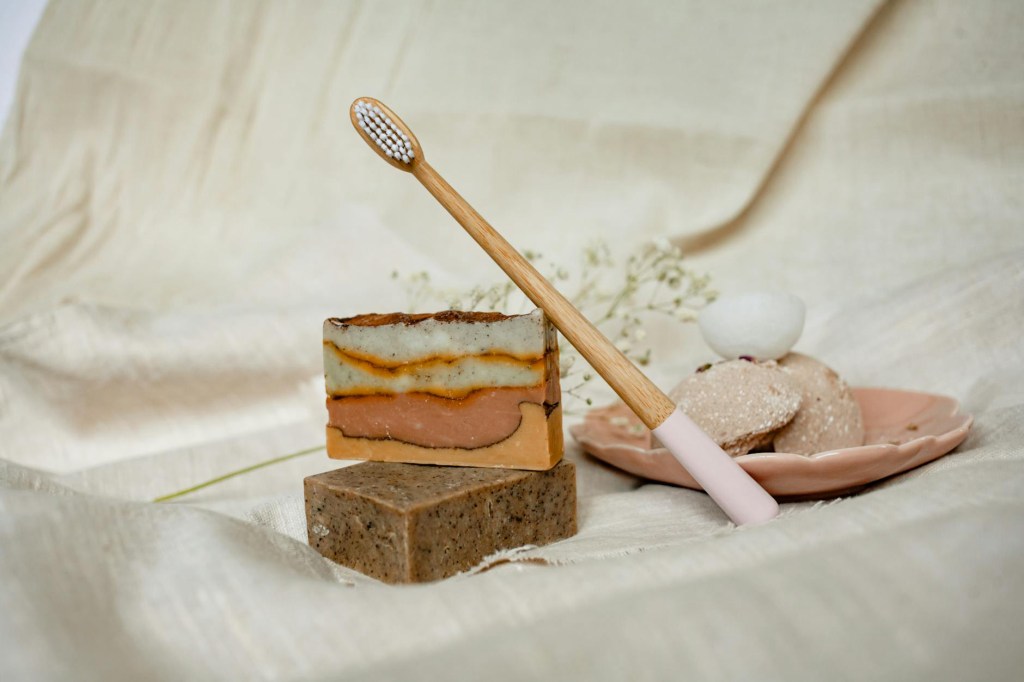
Our skin is our largest organ and absorbs a lot of what we put on it, with an average of 64%, but as much as 91%. (source). If our skin is so absorbent, why aren’t we as concerned with what we put on our bodies as what we put in them?
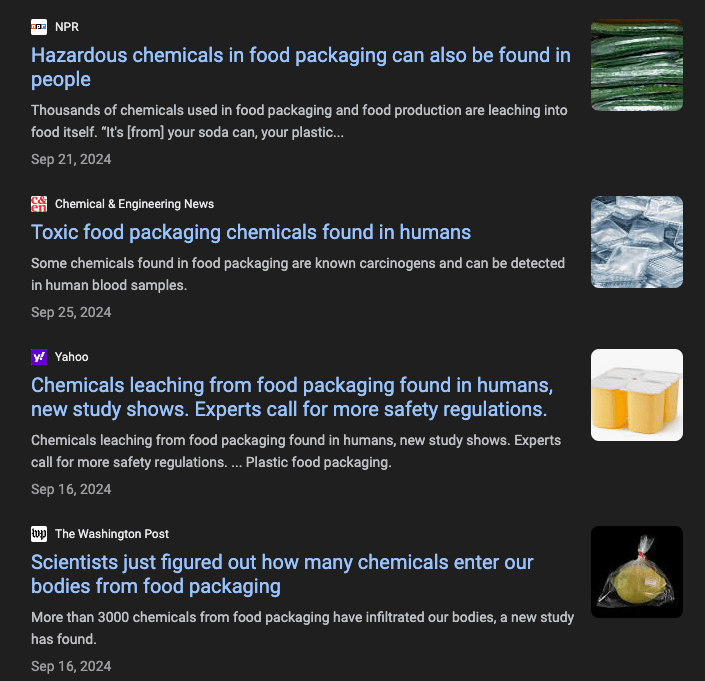
It is becoming more and more common to see news articles that the chemicals used to package food can also be found in humans.
When I first started learning, it was very overwhelming. There are some basic things I wish I had known starting out, both things that are helpful and common advice you hear that isn’t helpful or even true.
Lies & Unhelpful Advice
Natural = Good: Just because something is natural doesn’t necessarily mean that it is good for health. For example, arsenic, mercury, and asbestos are all natural substances, but they are all harmful to human health.

Synthetic = Bad: In the same vain, a substances being synthetic doesn’t necessarily make it bad. Can a synthetic substance be bad for human health? Absolutely! But it doesn’t have to be. There is much more nuance, and it is important to look at the research and studies rather than to make sweeping generalizations.
Can’t Pronounce It, Don’t Use It: This is another common thing you hear in the clean, holistic living, crunchy space. This might be some good advice if taken with a grain of salt, but in reality there are lots of very good and beneficial ingredients that have hard to pronounce names. Many labels have the scientific name of ingredients rather than the common name (though sometimes the common name is listed in parenthesis after the scientific name) which makes them hard to pronounce even though they can be beneficial. This is also going to vary from person to person, so it is very subjective and not based on truth.
All or Nothing: Another common theme that is seen throughout the crunchy, holistic community is that you have to trade out everything or it isn’t really doing anything for your health. This is absolutely not true! Baby steps are important and they do make a difference. Over time they will add up, and before you know it you will have swapped most of the things you use and eat on a daily basis.
I started making swaps about 2 years ago, and as things ran out I would chose a cleaner option. In the last two years I have swapped all my personal care products, cleaning supplies, laundry and dish detergent, and almost all of our food. I would have been so overwhelmed to make all these swaps at once, but when I took them slowly, one at a time, over the course of 2 years, it wasn’t really stressful at all!
Bad in All Situations: While some substances can be bad in nearly every situation, that is rarely the case. There are lots of substances on the market that are not inherently bad just by existing. One prime example is plastic. Plastic is not a good substances, and in fact can be toxic, when used to heat food; but it is not bad for something like storing seasonal decorations. The difference is that the plastic bins you use to store your seasonal decorations are handled twice a year (to put it up and take it down) and you aren’t consuming anything off of it.

There are lots of toxins in the world for us to try to avoid, so rather than worry about every little thing, it is more important to focus on the items that will make the biggest impact. Things that go in and on our bodies are much more important than the things we only see twice a year. Stressing about every toxin you might possibly come into contact with is just as bad for your health as the toxins themselves.
So how do you get started? Here are some ingredients/substances to avoid to help get you started, but remember, this isn’t all or nothing. Start small and make changes that feel doable for you and your family.
The 7 Ps to Avoid
Parfum(Fragrance): These terms can include more 3,500 chemicals, and companies are not required to disclose them on the ingredient list or anywhere else for that matter. Many of the chemicals are tied to things like allergic reactions, hormone disruption and imbalance, and cancer. (source)
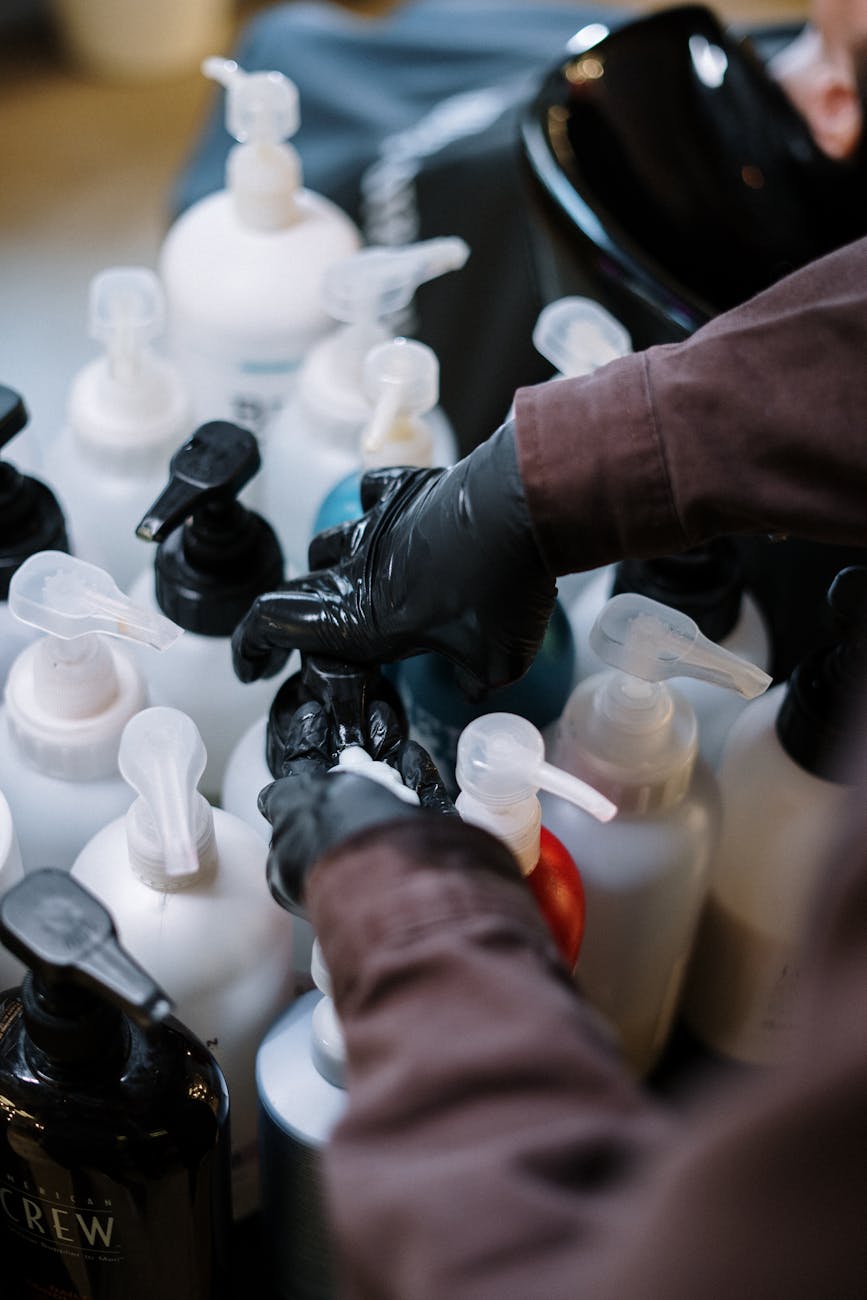
PEGs/PPGs (Polyethylene glycols/Polypropylene glycols): PEGs are added to cosmetics for various different reasons including as cleansing agents, emulsifiers, skin conditioners, and others. However, this chemical has been identified as a potential carcinogen, or cancer causing substance (source).
Phenoxyethanol: Phenoxyethanol is used as a preservative in personal care products, but has been linked to cancer, allergies, and hormone disruption (source).
Parabens: There are lots of different types of parabens, mostly used as preservatives. Not all parabens pose the same risks but some have been linked to reproductive harm and endocrine disruption among other things (source).
Phthalates: Used in cosmetics and other personal care products as solvents and stabilizers (source). Phthalates have been shown to cause asthma and allergies, hormone disruption, cancer, cardiovascular disease, and central nervous system damage (source).
PTFE (Polytetrafluoroethylene): Otherwise known as Teflon, this substances is used in non-stick cookware. It has been shown to release gases and chemicals that cause toxicity in humans (source). This can lead to things like cancer, endocrine disruption, and delayed menstruation among other things.

Other Ingredients to Watch Out For
Some of these ingredients won’t be listed on the ingredients list but can still be present in the product through contamination. There are also different names for many of these ingredients and they are constantly changing. This is especially common with food dyes.
- Ethoxylated Ingredients
- Ethanolamine Compounds
- Isothiazolinone Preservatives
- BHA (Butylated Hydroxyanisole)
- BHT (Butylated Hydroxytoluene)
- Formaldehyde-Releasing Preservatives (DMDM Hydantoin, Diazolidinyl Urea Imidazolidinyl Urea, Glyoxal, Sodium Hydroxylmethylglycinate, Quaternium-15, 2-Bromo-2Nitroprpane-1,3-Diol)
- IPBC (Iodopropynyl Butylcarbamate)
- Honeysuckle Extracts
- Synthetic Dyes/Pigments (Blue 1 Lake, Red 40 Lake, Red 6 Lake, Red 6, FD&C Red 40, FD&C Yellow No. 5)
- Mineral Oil
- Talc
- Retinol
- Aluminum Hydroxide
- Chemical UV Filters (Oxybenzone, Octinoxate, Homosalate, Octisalate, Octocrylene, Avobenzone)
- Lead & Heavy Metals
It was so discouraging to always be reading about ingredients that shouldn’t be used because of how they effect our health when I first started researching. Over time, I’ve also learned good ingredients to look for that are beneficial to our health, making shopping not just a hunt for the bad, but the good as well!
Looking for some good ingredients to look for on labels as well? Subscribe so you get next week’s blog straight to your inbox with a list of ingredients that are beneficial to your health and help to make your skin glow along with some of my favorite product swaps I have made!


Leave a Reply