
We all dream of the Pinterest worthy gardens with long, straight, lush rows and beautiful raised beds spilling over with deep green foliage laden with fruits and vegetables.
But, that isn’t always possible in our current scenarios. Sometimes we live on a limited amount of ground, in a town or city, our yard is an odd shape, or we don’t have the money to spend on fancy raised beds.
That is perfectly okay!! A garden can be productive without looking Pinterest worthy. Plus, a Pinterest worthy garden can be a complete flop, producing very little or nothing at all even though it looks beautiful.
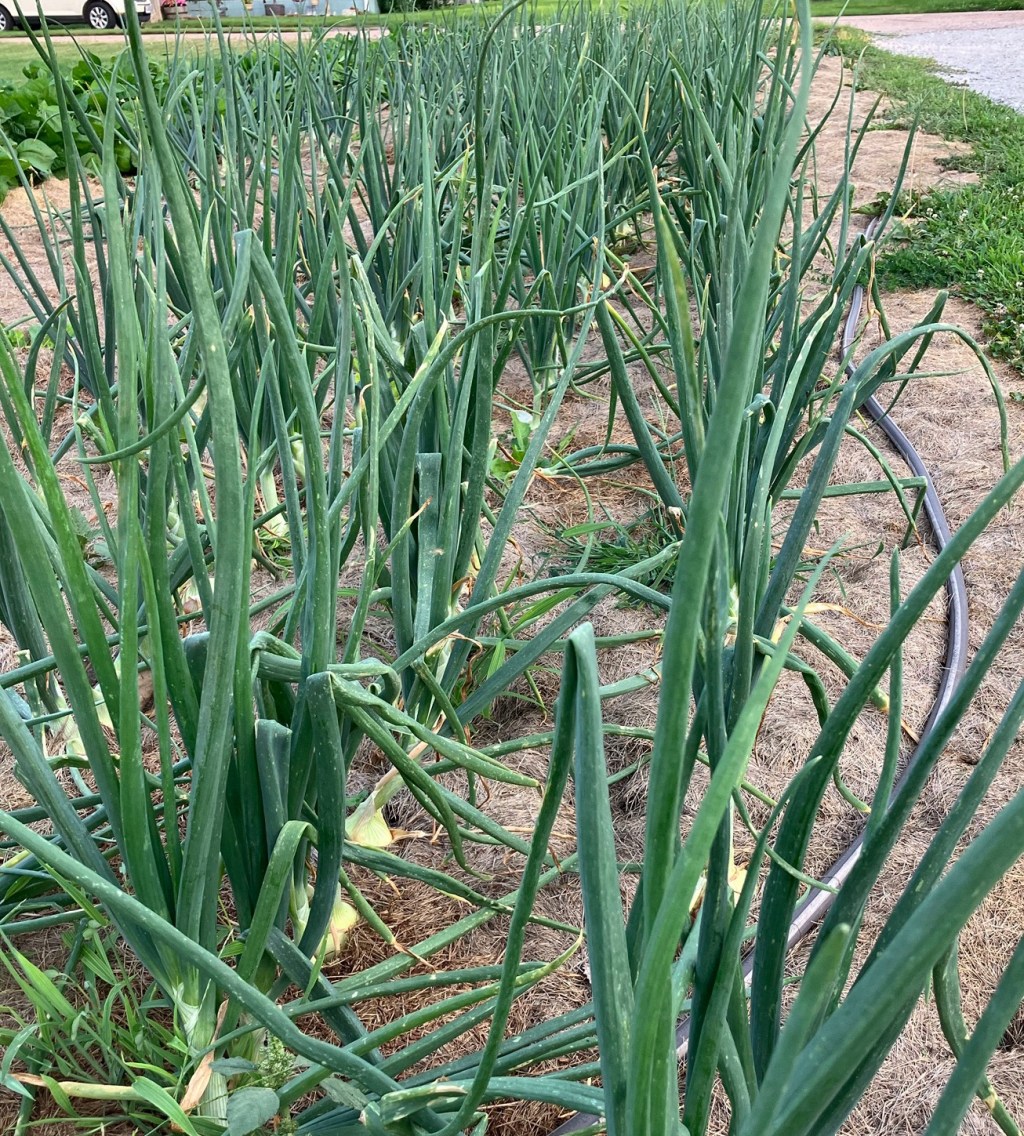
The key is to use what we have and make the best of it. My city lot garden is far from perfect. In fact, it sits spread out all over our lot in 3 separate plots plus “raised beds” in a 4th location.
When I was setting this garden up, it was discouraging to see how ragtag it was going to look, but in my third season of gardening this way, I have leaned that it doesn’t matter how ragtag it looks, it can still produce great yields. In fact, I haven’t bought any pasta sauce, tomato juice, carrots, or green beans this last winter. And, we made it through half the year before needing to buy onions.
Tips for Gardening in a Small Area
Map Your Space
When you have limited space to grow a garden, it is especially important to use your space wisely. A way to make this easier is to map out your space showing dimensions and sun exposure.
This map can help you visualize what plants will work best in each location and see small areas you might have otherwise overlooked.
I grew up learning in a family garden where everything was planted in 50 foot rows, the perfect length for a soaker hose, in a nearly acre garden. But, we had ample space living nearly 15 miles from the nearest town and our closest neighbor a half mile away.
This background made it hard for me to see the awkward empty spaces in my current yard as useful for the garden. However, those are some of my best areas now and make up a large chuck of my garden space.
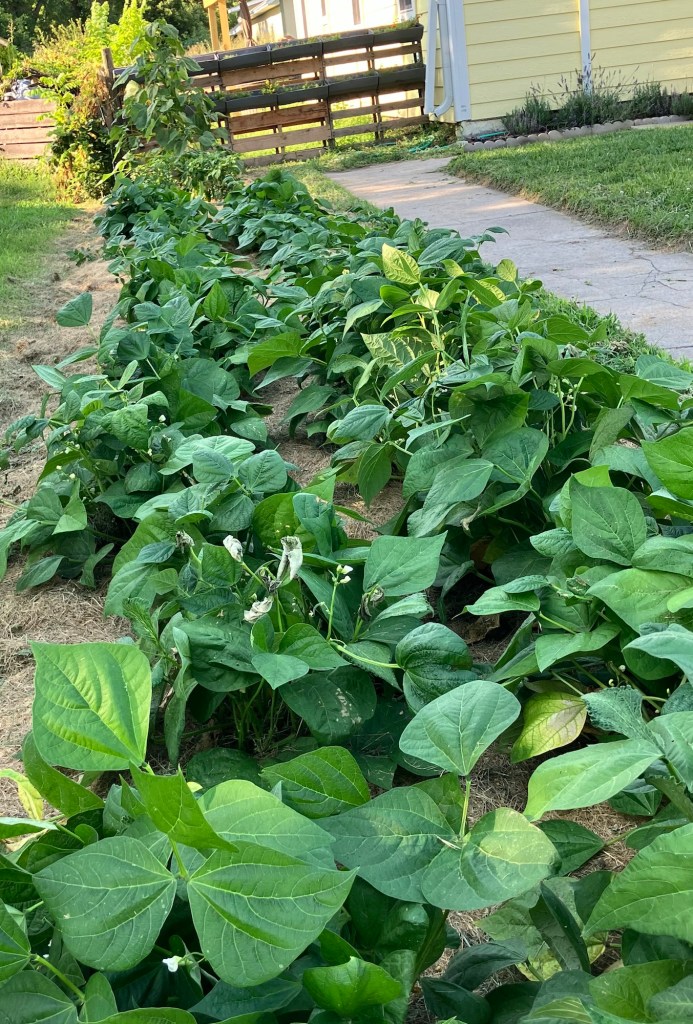
One such space is a 35 foot by 4-5 foot space between my sidewalk and the property line. This year that space boasts 2 rows 30-feet long of green beans, 5 peppers, and a volunteer sunflower.
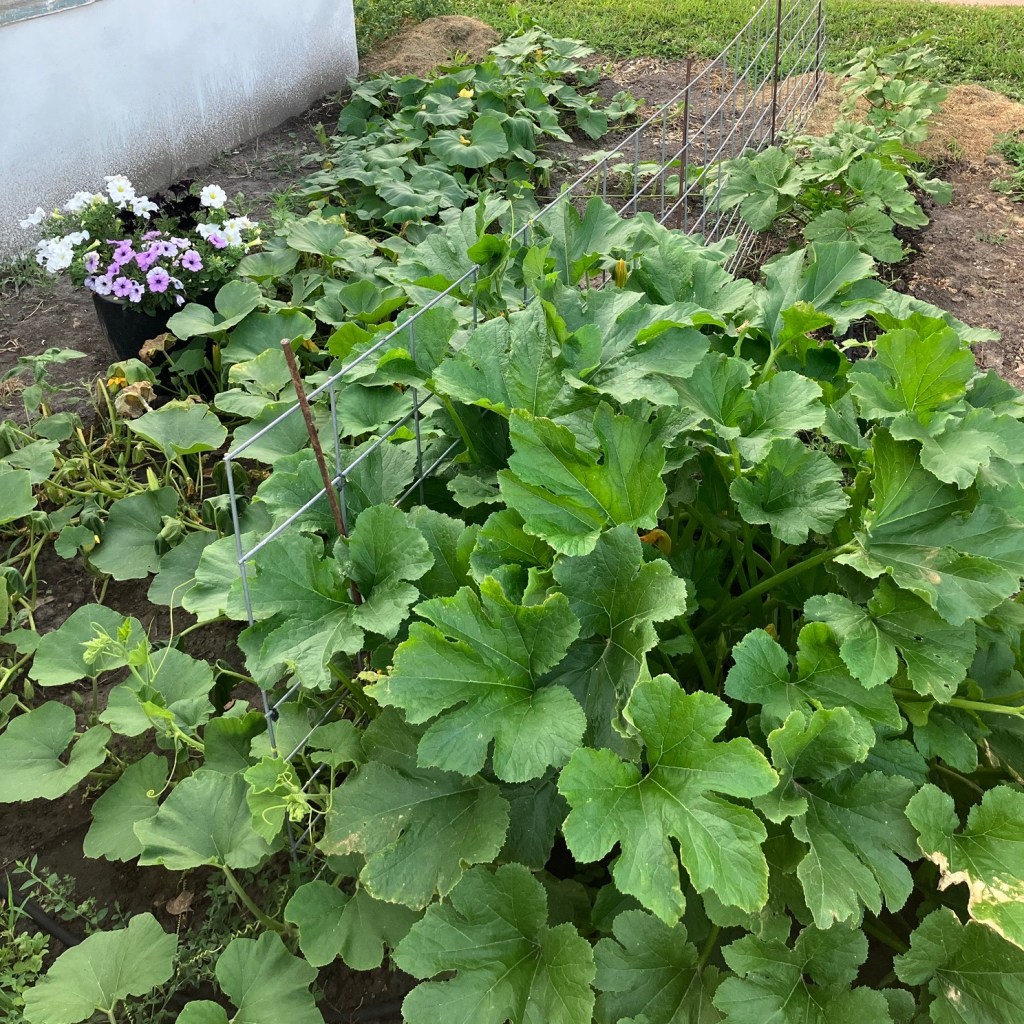
Another area that I struggled to see as valuable at first was a 6 foot by 12 foot space. This year that space holds some of my vining, sprawling plants that take up a lot of room in a row and some of my more niche plants including winter squash, zucchini, and okra. That same space last year grew enough carrots that I didn’t have to buy any last winter and didn’t even bother planting any this year.
Grow Vertically
Often times we look at space for a garden only horizontally. How many square feet do we have? However, we are losing out on so much space when we don’t think vertically as well.
You can certainly achieve vertical gardening by purchasing a growing tower, but you can also use much cheaper materials. For example, you can use hog panels to allow your cucumbers, winter squash, and other vining plants to climb instead spreading out over the ground. I used this method along a row of winter squash and cucumbers last year and got a huge harvest of both!
Vertical space can also be utilized to help keep your yields from rotting by sitting on the ground. This is a favorite I use for tomatoes.
There are lots of methods to keep tomatoes off the ground, but the one I use is tomato cages. Tomato cages work the best for our setup, but you can also use a hog panel and tie the tomatoes up to it using something soft like strips of an old t-shirt.
Another options for growing vertically is to mount planter boxes on a fence. While this doesn’t work for larger things like tomatoes, peppers, and winter squash; it does work well for smaller things like herbs, lettuce, and radishes. Planter boxes can also be an excellent place to plant flowers to help attract pollinators, which is what I used my planter boxes for this year!

Container Gardening
When you are gardening in a space that needs to function in multiple ways or you don’t have a place to actually plant things in the ground container gardening is a great option.
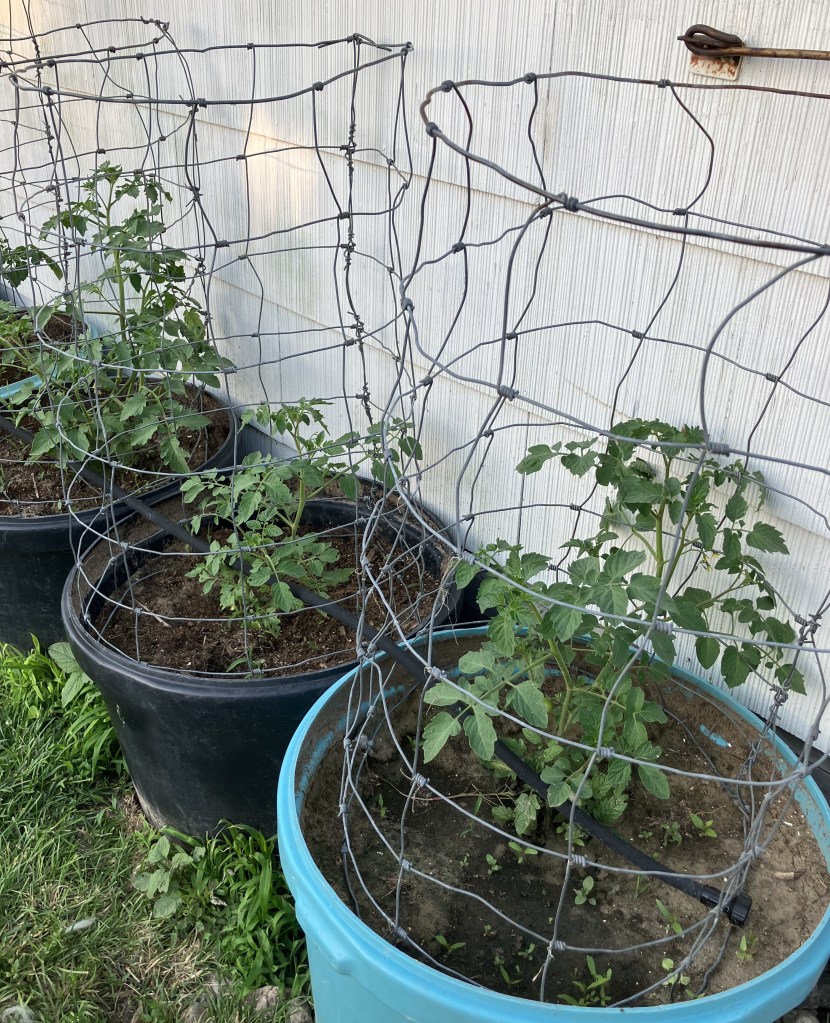
There are lots of container garden options out there that are marketed as just that, but you can also use recycled materials like buckets. This is exactly what I’ve done for the part of my garden that is inside the fenced in portion of the yard.
With some creative thinking, I was a able to repurpose old salt and mineral tubs from local ranchers to use as a container garden inside of the fence where I can’t plant an in-ground garden because of our two dogs.
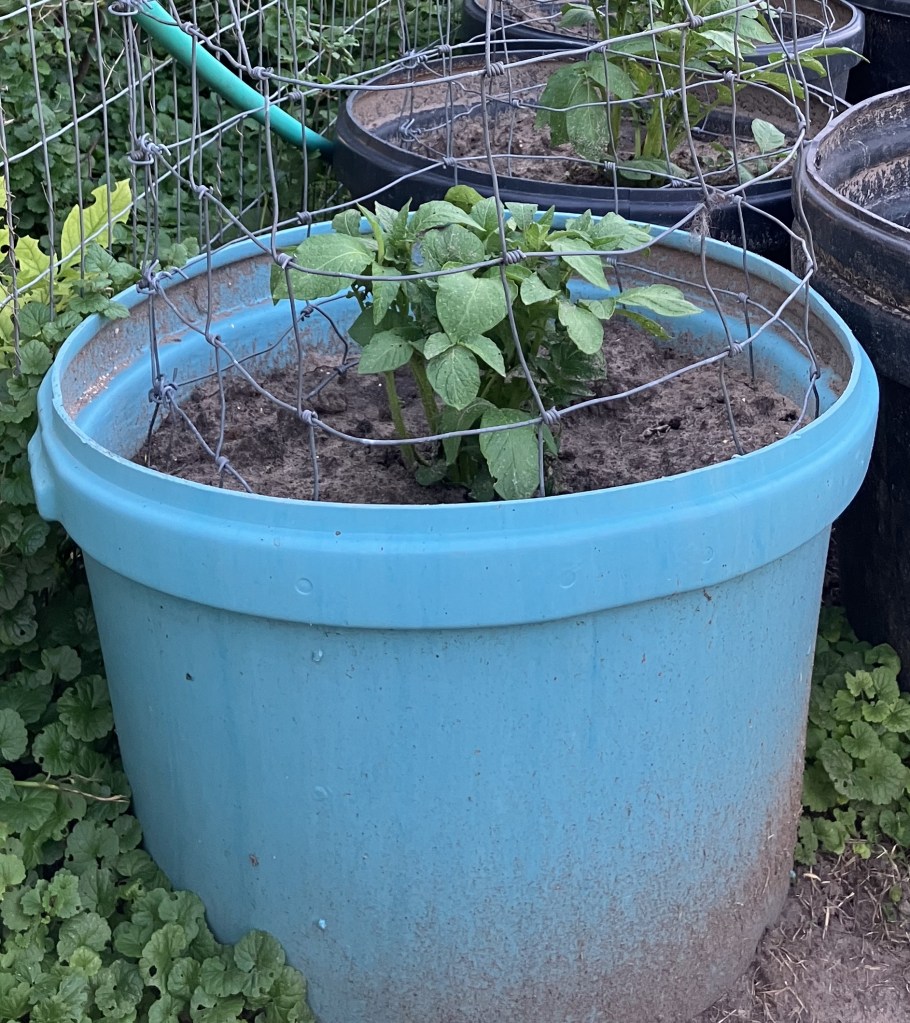
This raised the plants up off the ground so that the dogs couldn’t dig them up, but allowed me to line the fence with tubs to increase my garden space by 48 plants!
This year my mineral tub container garden holds 8 potatoes, 11 peppers, and 29 tomatoes.
Plant Smarter
When choosing what things to plant each year, chose plants that will make the biggest impact for you and your family based on the time and space you have available to you. So, don’t plant something your family doesn’t eat a lot of or that doesn’t produce food if your goal is to replace as much from the grocery store as possible.
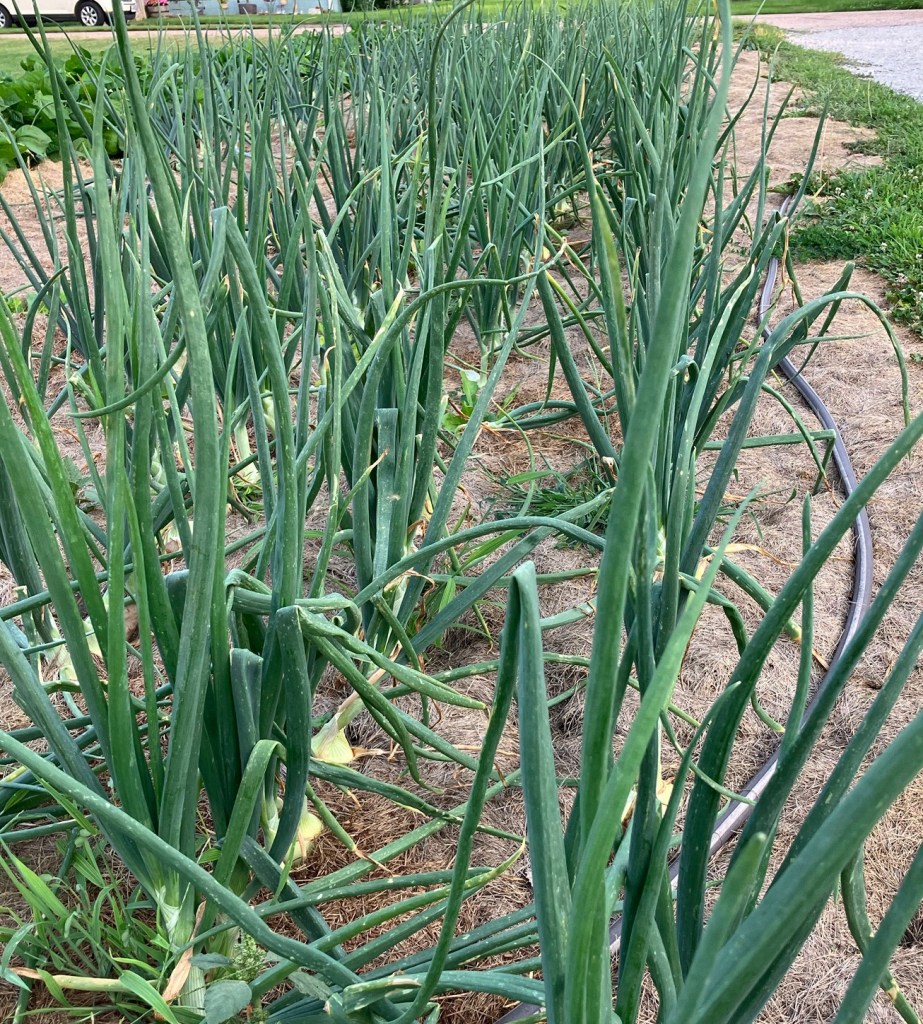
For example, I used to plant watermelon and cantaloupe, but both of those things are vining plants and take up a lot of room. This year, instead of planting watermelon and cantaloupe that do not store well and didn’t really replace food from the grocery store for our family, I increased the number of onions, tomatoes, and green beans I planted. Our family will use a lot more onions, green beans, and tomato products than we will watermelon and cantaloupe.
Another change I made is I focused on things I could grow well. I struggle with growing herbs, so stopped growing them for now. Instead, I am focusing on growing all the tomatoes we need to replace all tomato-based products from the store. Maybe I will add herbs back in sometime in the future but for now they just don’t make sense.
Co-Planting and Multiple Crops
What better way to make use of minimal space than to co-plant or plant multiple crops in the same year?
When co-planting, it is important to make sure that the crops grow well together, but this technique can not only save you space but reduce the amount of fertilizers and pesticides needed to help maintain your garden.
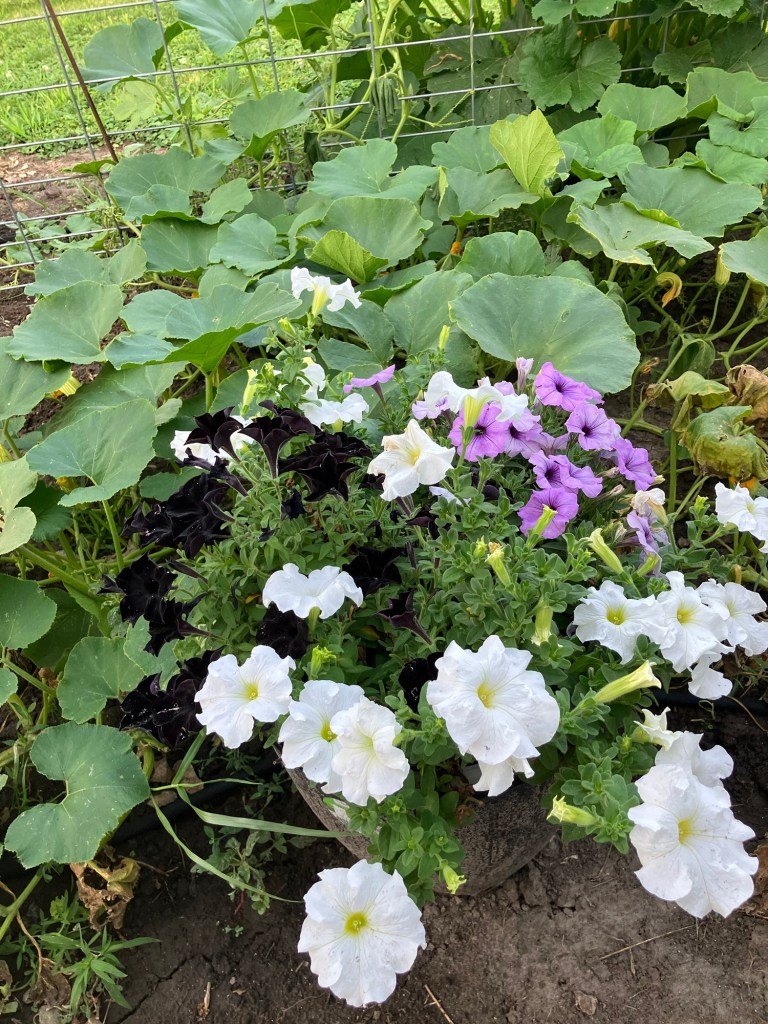
This is the first year I’ve done intercropping, but I wish I would have started sooner! I planted petunias with my squash and marigolds with some of my tomatoes. It is a great way to not only keep unwanted insects and other pests at bay but encourages pollinators as well!
Planting multiple crops can also increase overall yields because you are getting two crops from one plot of land. This is great for short season crops or crops that can take a light frost. Some shorter season crops that might be a good fit for this include peas, beans, lettuce, radishes, or onions.
Growing a garden in a small space may not be the ideal, but it can still be done and be done well if we set our minds to it. Thinking creatively and using the resources we have are keys for success!
To follow along and keeping getting more recipes, tips and tricks, and how-tos to cut out harmful ingredients from your life and become more self- and community-sufficient; subscribe to get my blogs straight to your inbox!

 Cora's Cottage
Leave a comment