
Disclosure: This post contains affiliate links and I may earn a small commission at no additional cost to you when you use a link.
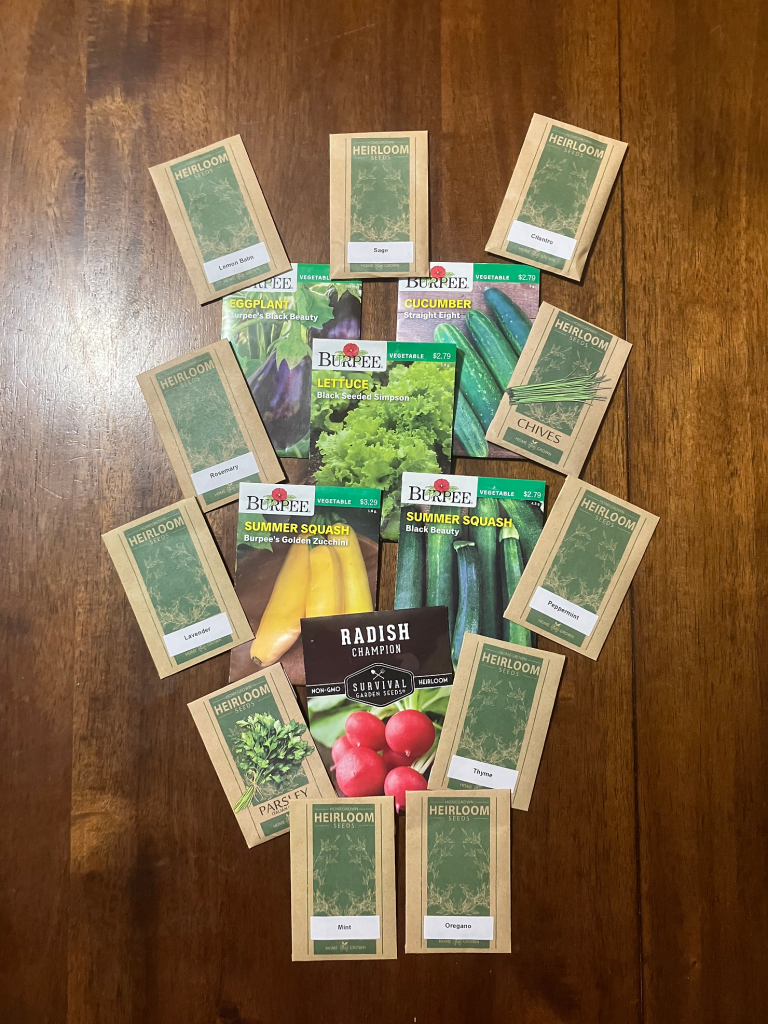
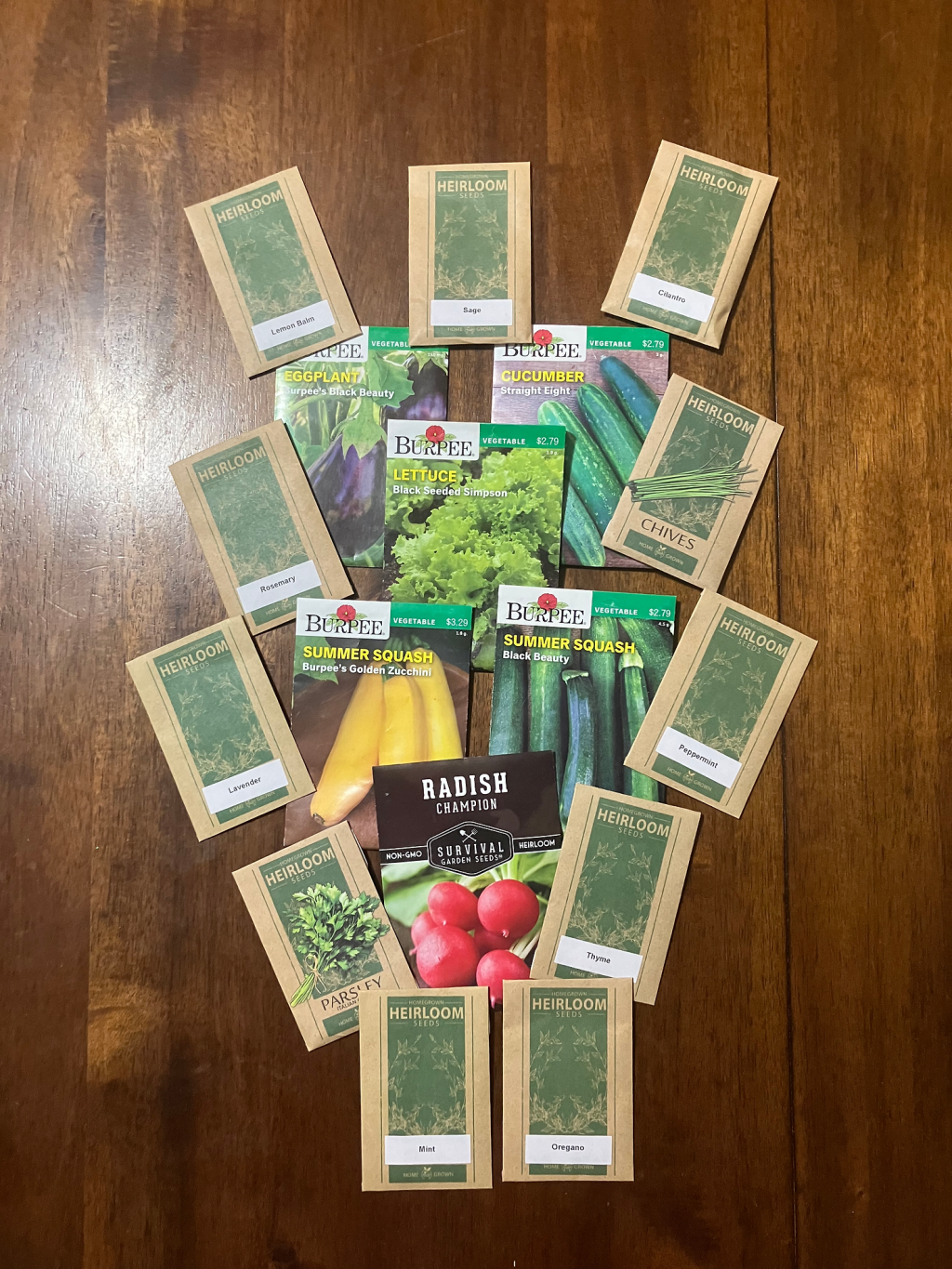
This is the time of year when everyone starts to dream about what they will plant in their garden for the next summer. Everything from what plants they will include and where they will be planted to what types of weed control and watering methods will be used. In the past, I personally let the dreaming stop there without any planning or even writing down my ideas. However, I vowed to change that this year, and I sat down in early January to write out all the plants I wanted to include in my garden this year and how I would fit them all on the small city lot we have to work with for gardening.
After I had completed my list, I realized I had a mess of ideas with absolutely no idea what plants would even grow well in my area and little knowledge about how to tend for many of plants on my list because many will be new to me this year. The benefit to discovering this in January instead of in April is that I have time to research and learn. In my process, I found that breaking it down into manageable steps made it easier to plan out my garden because I could take one hour here and 30 minutes there until I had all the information I needed, or at least enough to map out my garden and start ordering seeds. I have mapped out the steps that I took to set a garden plan early this year, which has helped lower my stress around my garden for the year already.
Step 1: Organize the dreams
At this stage, organize the plants into groups that make sense to you. For me, I started with three groups: plants I have grown in the past, plants I have never grown but have been around, and plants I have never been around. This helped me see which plants I need to research more than others to determine if they were even viable options for my hardiness zone. If you don’t know your hardiness zone there are lots of ways to find it, like on the USDA’s website. This map allows you to type in your zip code and will take you right to your zone.
Once I had the plants organized into these three groups, I broke them down more by size and type. For example, I put all the herbs into one list, all the root plants into one list, and all the peppers into one list for each of my 3 initial categories. The only reason I did this was to make my next step, general research, more focused and not so daunting.
Step 2: General Research
Once you have your own lists, start with picking one list to research. In general research, you are only looking for basics on the plant like preferable varieties for my region, soil type, amount of space for planting and growing, and the amount of water and sun needed for growing. These items usually are enough to know if you have the right conditions and space for growing the plant or not. Most times you can get this information from seed catalogs or websites like Gurney’s, Sow True Seeds, or Johnny’s Seeds. Take notes on these items, so that you can reference them later as you’re building your garden plan. I really like taking notes in a steno book because it gives me natural columns. Follow these same research steps through each list you have made until you have all the information for each plant.
Step 3: Map out Garden Space
After getting an idea of what type of spaces you need for the different types of plants you can grow, map out your garden space. I chose to use Canva because it is user friendly and has a free version both in an app and online. Map out your garden to scale and leave room or make a system for labeling what will go where in the garden. For example, I plant in lick tubs around the perimeter of my backyard for part of my garden, so I created the following map that will allow me to label what is in each lick tub by number.
Step 4: Assign Planting Areas
Once you have mapped all of your garden, you can start to decide where to plant things based on the basic information you’ve gathered about each plant in your general research phase. For example, I know that lettuce doesn’t take up much space so I will plant it in the planter boxes on my fence, and I know that marigold is an aesthetically pleasing flower that deters mosquitos making it perfect for the planters on my front porch. Mapping out the garden this way now allows you to know exactly how many starts or seeds you’ll need for the space you have, making seed shopping a breeze!
Step 5: Seed Shopping
Now that you know what types of seeds you need (both plant type and variety) and how much space they need at planting and to grow, you can easily calculate how many seeds you need for your space. With the map of your garden, and your notes about each plant you start seed shopping! This part is now much less stressful because you can type in the exact seed you are looking to plant and know how many packets of each you need. For example, if you want Athena cantaloupe seeds you can go to Gurney’s website and type in “Athena cantaloupe” and the seeds will pop right up. One thing to watch for, if you are looking for a very specific type of seed, not all seed suppliers will carry that particular variety. Shop around different seed suppliers to see if another one carries the exact seed you are looking to plant in your garden.
Step 6: Deep Research
Now that you have your garden planned out and seeds one the way, you can dive into deep research about each plant you will have in your garden. This is where you can research specific mulching methods, how to care more deeply for the plants throughout the growing season (such as pruning or specific fertilizers), how to harvest the plant, ways to preserve and prepare your harvest, or anything else that interests you about that particular plant. I leave this portion for last because it allows me to have my seeds on the way, instead of doing a bunch of research on a specific variety but not being able to get it for the season because I waited to order seeds for too long. This also allows more time to research during the colder months of the year.
Garden planning will be different for each gardener due to location, space, and personal preferences. However, garden planning can have significant benefits for all gardeners. Starting to plan a garden earlier in the year has given me the time to research the things I want to plant without feel rushed and unsure when I am planting things I know little about. It has also allowed me to ensure I will have all the seeds I want to plant when we warm up in the spring, rather than waiting until it does warm up to buy seeds when some of the seeds I will are sold out for the season.

 Cora's Cottage
Leave a comment