
Picture this: You’re standing in your kitchen, the morning light filtering through lace curtains, and instead of reaching for a bottle of chemical-laden spray that leaves a synthetic scent hanging in the air, you grab a jar of something you whipped up yourself. It smells like lavender fields or fresh citrus groves, and you know every single ingredient down to the last drop. That’s the magic of homemade cleaners—they’re not just about cleaning; they’re about reclaiming your space, your health, and a little piece of that simple, satisfying self-reliance we all crave in our busy lives.
In a world where store shelves overflow with “green” promises that often hide harsh toxins, turning to DIY solutions feels like a quiet rebellion. These recipes use everyday pantry staples and a handful of natural boosters to tackle grime without the guilt. Whether you’re washing a mountain of kid-stained laundry or sprucing up the counters after a weekend baking spree, these gentle formulas work wonders. And the best part? They’re customizable, budget-friendly, and leave your home feeling truly refreshed.
Let’s dive into why ditching the commercial stuff is such a game-changer, then roll up our sleeves for some easy-to-follow recipes that anyone can master.
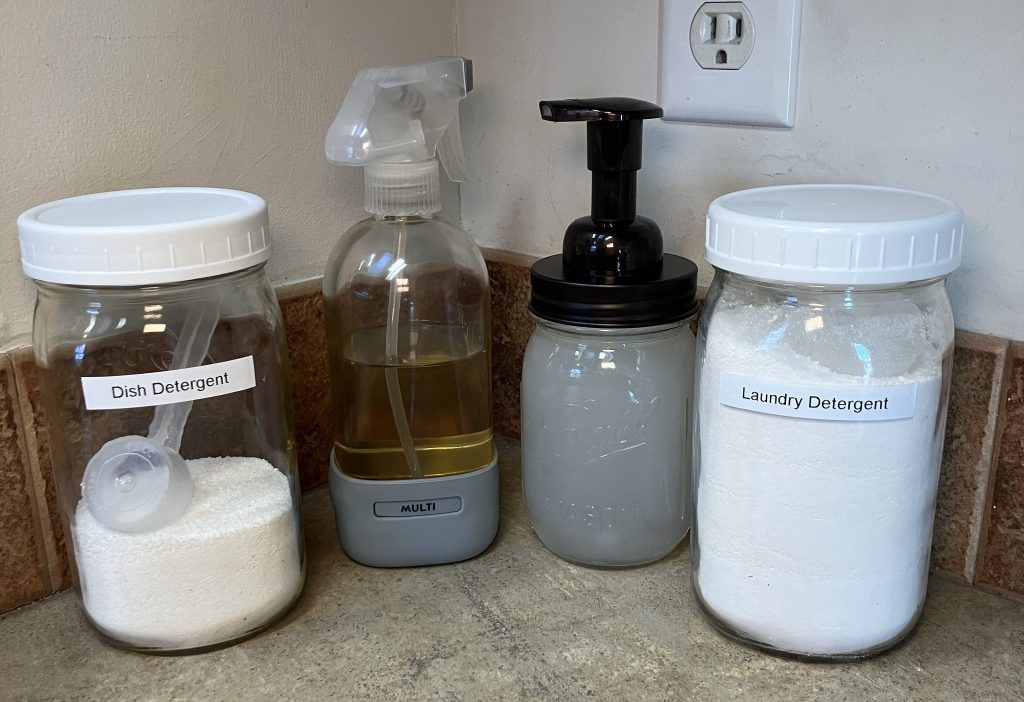
Why Switch to Homemade Cleaners? The Heartfelt Reasons That’ll Convince You
There’s something deeply rewarding about crafting your own cleaning essentials. It’s not just about sparkling surfaces; it’s about nurturing your home like a cherished garden. Here are the top reasons I’ve fallen head over heels for this cozy ritual—ones that go beyond the surface and touch on what really matters.
Fewer Toxins, Gentler Living
Commercial cleaners often pack a punch with synthetic fragrances, preservatives, and antimicrobial agents that can irritate skin, disrupt hormones, or linger in the air long after you’ve wiped them away.
Think about it: Those “fresh linen” scents? They’re usually petroleum-based chemicals that off-gas volatile organic compounds (VOCs), which the EPA links to indoor air pollution. By contrast, homemade versions rely on time-tested naturals like baking soda for gentle abrasion, vinegar for natural disinfection, and essential oils for antimicrobial properties without the harsh edge.
I remember the first time I swapped out my old bathroom spray for a simple vinegar-based mist—my sinuses cleared up overnight, and our air purifiers didn’t even kick on! It’s a small shift, but it adds up to a healthier haven, especially for families with pets, babies, or anyone sensitive to strong fumes. Plus, these recipes are biodegradable, so they won’t harm the earth when they rinse down the drain. Lower-tox living isn’t about perfection; it’s about progress, one scrub at a time.
Saving Pennies Without Sacrificing Sparkle
Who doesn’t love stretching a dollar further, especially when “clean” brands charge a premium for what often amounts to watered-down hype? A single bottle of eco-friendly laundry detergent can set you back $15 or more, and it vanishes in a few weeks. Homemade? You’re looking at pennies per load. The core ingredients—washing soda, borax, castile soap—are shelf-stable powerhouses you can buy in bulk for under $20 total, yielding months of supply.
Take my laundry detergent, for instance: A batch costs about $0.05 per tablespoon, versus $0.25 for store-bought. Over a year, that’s real savings—enough for a weekend getaway or stocking up on those heirloom seeds for your herb garden. And it’s not just economical; it’s empowering. No more scanning labels for hidden fees or greenwashing claims. You control the cost, and the quality stays consistently high. In my cozy corner of the world, where every saved cent funds more time tending the flowerbeds (or vegetable garden), this DIY approach feels like pure thrift wrapped in luxury.
Cultivating Self-Sufficiency in a Convenient World
In an age of one-click everything, there’s a quiet thrill in knowing you can whip up a stain-busting solution from your own cupboard. Self-sufficiency isn’t about going off-grid (though if that’s your vibe, more power to you); it’s about building resilience—one jar at a time. What happens when supply chains snag, the store is out of “your brand”, or you forgot to place the order? Your homemade stockpile keeps things humming, no panic run to the store required.
I’ve leaned into this during lazy summer storms, when mixing up a fresh batch of hand soap becomes a rainy-day project that doubles as quality time with a cup of chamomile tea. It fosters that slow-living rhythm we all romanticize: measuring, stirring, infusing scents that evoke childhood kitchens. Over time, it spills into other areas—maybe you’ll start your own herb garden for those homemade spice mixes or experiment with upcycled jars for storage. It’s a gentle nudge toward independence that makes your home feel more like yours, rooted and ready for whatever comes next.
Mastering Your Ingredients for Peace of Mind
Nothing beats the confidence of knowing exactly what’s touching your linens, skin, or countertops.
Store-bought cleaners list ingredients in fine print that’s basically hieroglyphics—surfactants, parabens, you name it. With DIY, you’re the alchemist: You choose organic castile soap over petroleum-derived suds, or skip fillers altogether. This control extends to allergies (no more rash-inducing dyes) and preferences (double the lavender if it soothes your soul).
For me, it’s been transformative. As someone who loves tweaking recipes like a favorite bread dough, I can amp up the citrus for grease-cutting power or dial in eucalyptus for that spa-like hand wash. It’s intuitive, forgiving, and endlessly adaptable—perfect for beginners or seasoned makers. In the end, it’s about trust: Trust in your hands, your nose for what smells right, and the knowledge that you’re curating a cleaner that’s as unique as your home.
Stocking Your Pantry: The Must-Have Natural Ingredients for DIY Magic
Before we jump into the recipes, a quick word on gathering your toolkit. You don’t need a fancy apothecary setup—just a few versatile staples that multitask like pros. Washing soda (sodium carbonate) cuts grease and softens water; borax boosts stain removal naturally; baking soda neutralizes odors and scrubs gently. Castile soap, derived from vegetable oils, provides that creamy lather without sulfates. Essential oils aren’t just for scent—they pack antibacterial punch from plants like lavender (calming and antifungal) or tea tree (a germ fighter extraordinaire).
Source these from your local co-op, online bulk bins, or even the baking aisle. Start small: A $10 investment covers multiple batches. Pro tip: Store them in a cool, dark cupboard to preserve potency, and label everything with dates for freshness. With these on hand, you’re set for spontaneous cleaning adventures that feel more like crafting than chores.
Recipe 1: Whisper-Soft Laundry Detergent – Your Go-To for Fresh, Fuss-Free Washes
Laundry day doesn’t have to be a dread—imagine loads that come out brighter, softer, and scented like a summer meadow, all without the heavy chemical residue that stiffens fabrics over time. This powder detergent is a staple in my routine, tackling everything from muddy hiking gear to delicate delicates with ease. It’s low-sudsing (perfect for HE machines), septic-safe, and leaves no buildup in pipes. Best of all, it’s forgiving—if your water’s hard, just add a splash more vinegar in the rinse.
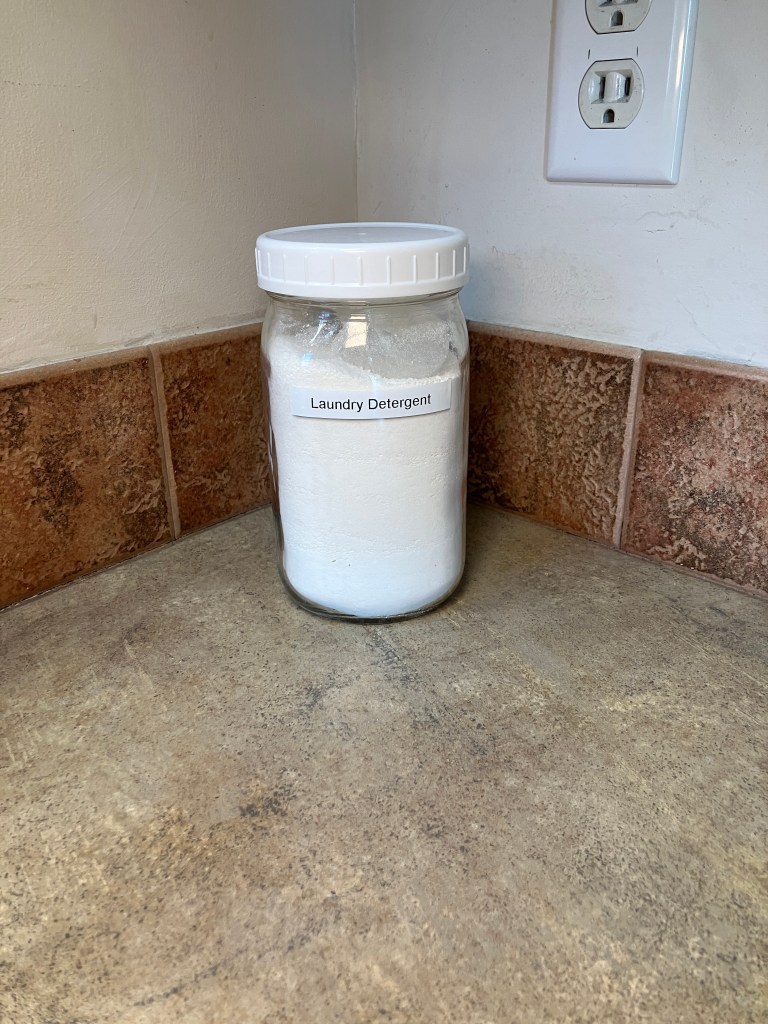
What You’ll Need: Simple, Wholesome Ingredients
- 1 Box (3lbs 7oz or approximately 6 cups) washing soda (for water softening and grease-busting)
- 1 Box (4lbs 1oz or approximately 11.5 cups) borax (a natural mineral that dissolves proteins in stains)
- 2 cups baking soda (odor neutralizer and mild abrasive)
- 1 bar castile soap, finely grated (about 1 cup; unscented for purity)
- 30-50 drops essential oil (lavender for calm, lemon for brightening—your call!)
This will yield about 20.5 cups of detergent, enough for 164-328 loads depending on soil level.
Essential Tools for Effortless Mixing
- A large mixing bowl or 5-gallon bucket (for no-mess combining)
- Sturdy wooden spoon or silicone spatula (to blend without scratching)
- Airtight glass jar or recycled detergent container (for long-term storage away from moisture)
Step-by-Step: Crafting Your Batch in Under 15 Minutes
- Prep the Soap: Grate the castile bar using a box grater or food processor—think fluffy snowflakes. This helps it dissolve evenly in washes.
- Combine Dry Goods: In your bowl or bucket, whisk together the washing soda, borax, and baking soda. These powders form the backbone, creating a balanced pH that lifts dirt without stripping fabrics.
- Infuse with Scent: Drizzle in your essential oil drops. Lavender is my forever favorite for its soothing vibe that lingers subtly on sheets, but tea tree adds a fresh, clean edge for workout clothes. Stir vigorously for a minute to distribute evenly—no clumps wanted!
- Mix and Store: Fold in the grated soap until everything looks like a uniform, sandy mix. Scoop into your airtight container. Label with the date and usage tips for easy reference.
- Wash Day Ritual: Use 1 tablespoon per load for everyday messes, bumping to 2 for heavy soils. Toss it straight into the drum with your clothes, then add ½ cup white vinegar to the fabric softener dispenser. Vinegar rinses away residue, softens naturally, and fights static—hello, fluffy towels!
Customization Corner: For sensitive skin, swap borax for extra baking soda (it’s milder but still effective). I’ve found this recipe shines on cotton blends and woolens alike, preserving that just-bought softness wash after wash. And the savings? A family of four like mine goes through zero store-bought detergent for months—pure bliss.
Troubleshooting Tip: If powders clump in humid spots, a quick sift revives them. Always test on a small fabric swatch first, especially with bold oils.
Recipe 2: Luxe Liquid Hand Soap – Bubbles That Nourish, Not Strip
Hands are our unsung heroes—chopping veggies, cradling mugs of tea, waving hello to neighbors. Why harsh them with drying alcohols when you can suds up with something silky and skin-loving? This foaming hand soap is a game-changer: It moisturizes with jojoba (a lightweight oil that mimics skin’s sebum), cleans deeply with castile, and wafts spa-like aromas that elevate even the quickest rinse.
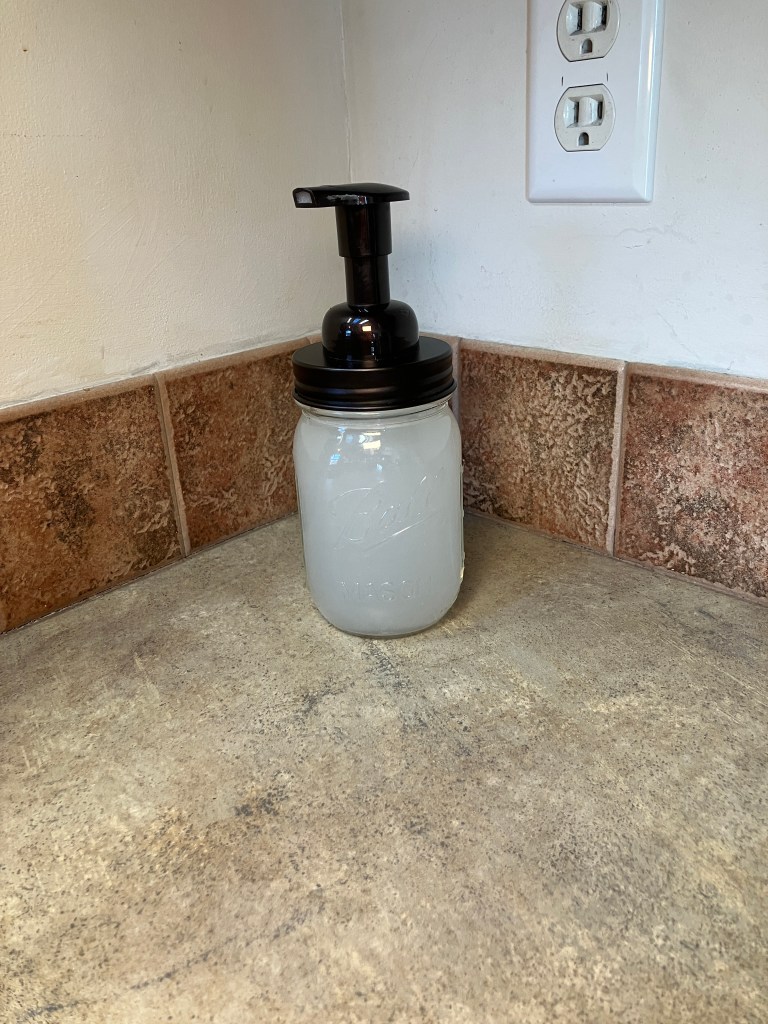
Key Ingredients for That Custom Touch
- 1¾ cups distilled water (prevents mineral buildup; tap works in a pinch)
- ¼ cup liquid castile soap (unscented base for gentle cleansing)
- 1 dropperful jojoba oil (about 40 drops; hydrates without greasiness)
- 10-15 drops essential oil (eucalyptus for invigorating bathrooms, citrus for zesty kitchens)
This makes a one pint jar — plenty for high-traffic sinks.
Tools to Keep It Cottage-Chic
- Two regular-mouth pint mason jars (recycled jam jars shine here)
- Foaming pump dispensers sized for a mason jars (affordable on marketplaces or even Amazon)
Easy Steps: From Jar to Joy in Moments
- Base Layer: Pour the water into the jar, filling to the 1¾-cup mark. This dilution ensures rich foam without overpowering suds.
- Add the Soap: Top off the remaining space with castile soap. Swirl gently—overmixing can create unwanted bubbles early.
- Moisturize and Scent: Squeeze in the jojoba oil, then dot with essential drops. Eucalyptus clears the mind in steamy bathrooms, while orange or grapefruit perks up kitchen and mudroom stations. Attach the pump and give a soft shake to combine.
- Daily Delight: Pump once or twice into wet hands, lather, and rinse. It cuts through garden soil or dinner grease like a dream, leaving skin supple.
Pro Variations: For extra emollient power, stir in a teaspoon of aloe vera gel. Kids’ version? Skip oils and add vanilla extract for a cookie-dough whiff. In my home, these jars are conversation starters—guests always ask for the “secret” to my soft hands. And at a cost of under $1 per jar, they’re a steal compared to boutique soaps that run $8 a pop.
Safety Note: Patch-test oils on inner wrists, as they’re potent. Keep away from eyes, and refresh every 4-6 weeks to maintain efficacy.
Recipe 3: Power-Packed Dish Detergent – Scrub Away Grease, Naturally
Dish duty after a hearty stew? Make it bearable with this powder that dissolves food films and leaves dishes gleaming without etching glassware. Washing soda provides the muscle, citric acid fizzes away limescale, and a salty boost prevents redepositing minerals. It’s a dishwasher darling: Low-foam, high-performance, and kind to septic systems.
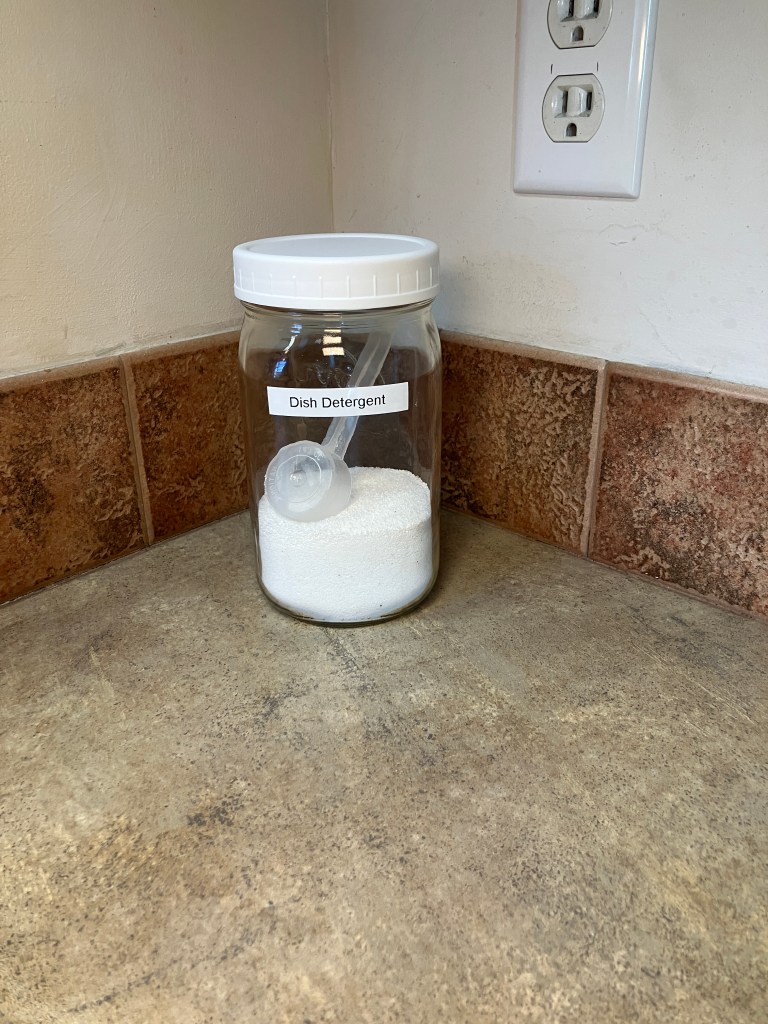
Ingredients That Pack a Punch
- 1 cup washing soda (de-greasing hero)
- ¼ cup fine sea salt (abrasive scrubber and hard-water fighter)
- ½ cup citric acid (natural descaler from citrus)
- 40 drops citrus essential oil (lemon or orange for shine and scent)
Yields about 2 cups—about 60 loads.
Handy Tools for Quick Assembly
- Spacious mixing bowl (my favorite is stainless steel)
- Heavy-duty mixing spoon (wooden for grip and sturdiness)
- Airtight tin or jar (keeps it dry and potent)
Follow These Steps for Spotless Results
- Dry Blend: Add the washing soda, salt, and citric acid into the bowl. This trio tackles buildup like pros.
- Scent Infusion: Sprinkle essential oil drops across the top. Citrus cuts through oily residues and adds a zing that motivates the chore.
- Mix Thoroughly: Stir until uniform, like making cookie dough.
- Store Smart: Funnel into your container. A cool pantry shelf extends shelf life to a year.
- Load and Go: Scoop ½ tablespoon into the detergent cup per cycle.
Compared to pod detergents at $0.30 per load, this is $0.02—funds for more seeds and starts!
Caution: Citric acid can irritate eyes; wear gloves if sensitive. Ventilate during mixing to avoid dust.
Recipe 4: Everyday All-Purpose Cleaner – Vinegar’s Versatile Glow-Up
No home is complete without a trusty spray that multitasks: Counters, windows, even stovetops bow to this acidic wonder. Vinegar dissolves mineral deposits and kills 80% of bacteria (per studies from the Journal of Food Protection), while citrus amps the grease-fighting and freshens like sunshine. It’s zero-residue, and streak-free.
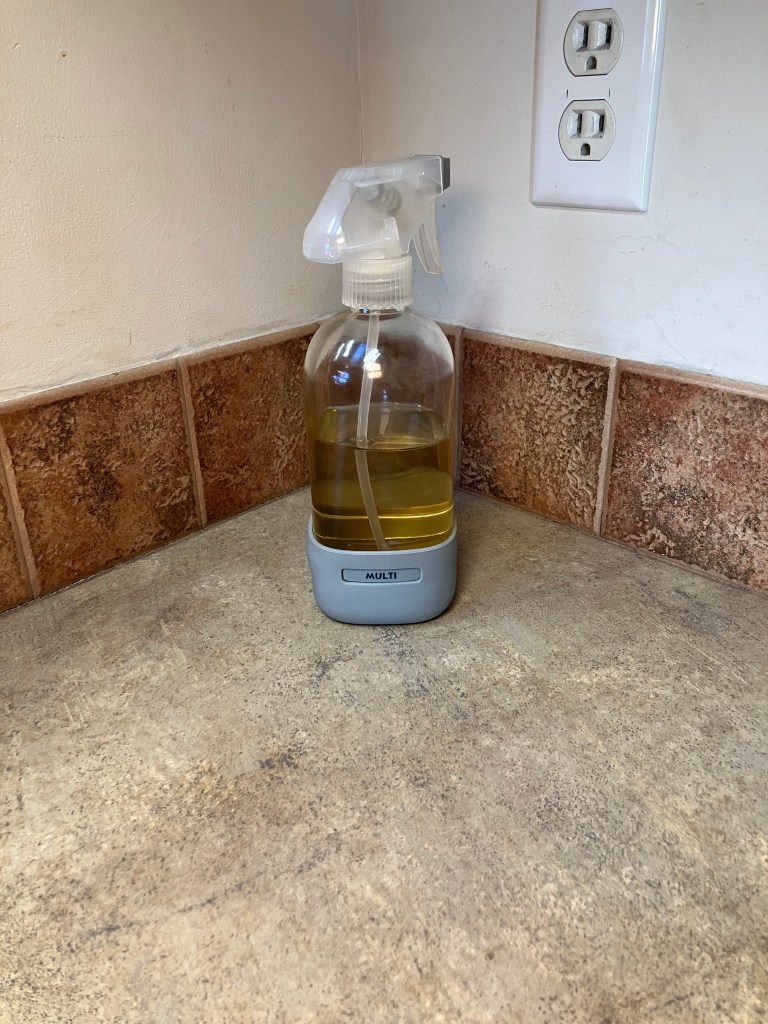
Bare-Bones Ingredients for Brilliance
- 2 cups white vinegar (distilled for purity)
- Handful of citrus peels (oranges, lemons—organic if possible) OR 20-30 drops citrus essential oil
Makes one 16-oz bottle.
Minimal Tools for Maximum Ease
- Amber glass spray bottle (protects from light degradation)
- Fine-mesh strainer (for peel method)
Infuse and Spray: Two Foolproof Paths
Peel-Infused Method:
- Stuff peels into a quart mason jar, covering with vinegar.
- Seal and steep in a sunny windowsill for 4 weeks—shake weekly.
- Strain into your spray bottle; discard solids.
Quick Oil Method (Instant Gratification):
- Fill bottle halfway with vinegar.
- Add essential drops; top with more vinegar.
- Shake like a maraca.
Usage Ritual: Spritz liberally on surfaces, let dwell 5 minutes (vinegar needs time to work its magic), then wipe with a microfiber cloth dampened in plain water. For mirrors, buff dry for no streaks.
Tailor It: Grapefruit peels for pink-tinged polish; oil-free for unscented purity. This has banished my old blue goo forever—cost saving victory at $0.10 per bottle!
Tip: Avoid on natural stone (vinegar’s acidity etches marble).
Your Invitation to a Cleaner, Calmer Life
There you have it—a quartet of homemade heroes that transform chores into cherished rituals. From the earthy mix of laundry powders to the bubbly embrace of hand soaps, these recipes invite you to savor the process: The grating of soap shavings, the swirl of oil drops, the first spritz of infused vinegar. They’re more than cleaners; they’re threads in the fabric of a mindful home, where every choice echoes care—for yourself, your loved ones, and the world beyond your door.
Start small: Pick one recipe this weekend, gather your jars, and let the scents guide you. You’ll wonder how you ever lived without that custom lavender lift or citrus sparkle. Share your twists in the comments—what’s your must-have oil? Here’s to homes that hum with natural grace. Happy making!
 Cora's Cottage
Leave a comment