
Homemade sauerkraut is a delightful way to bring tangy, probiotic-rich goodness into your kitchen. This fermented cabbage dish is not only packed with flavor but also offers incredible health benefits, from supporting gut health to boosting your immune system. Whether you’re a fermentation newbie or a seasoned pro, this guide will walk you through the process of making sauerkraut at home with ease. With just a few ingredients and basic tools, you’ll be savoring your own batch of crisp, zesty sauerkraut in no time!
Why You’ll Love Making Your Own Sauerkraut
Fermented foods like sauerkraut are having a moment, and for good reason. This tangy condiment is more than just a topping for hot dogs or Reuben sandwiches—it’s a powerhouse of probiotics, vitamins, and minerals.
Making sauerkraut at home is surprisingly simple, requiring minimal equipment and ingredients. Plus, it’s budget-friendly and allows you to customize the flavor to your liking. Whether you enjoy it as a side dish, a salad mix-in, or a gut-healthy snack, homemade sauerkraut is a versatile addition to any meal.
The process is also incredibly rewarding. Watching your cabbage transform into a tangy, crunchy delight feels like a small kitchen victory. Plus, you’ll have the satisfaction of knowing exactly what’s in your food—no preservatives or artificial additives here! Ready to dive into the world of fermentation? Let’s get started with the essentials.
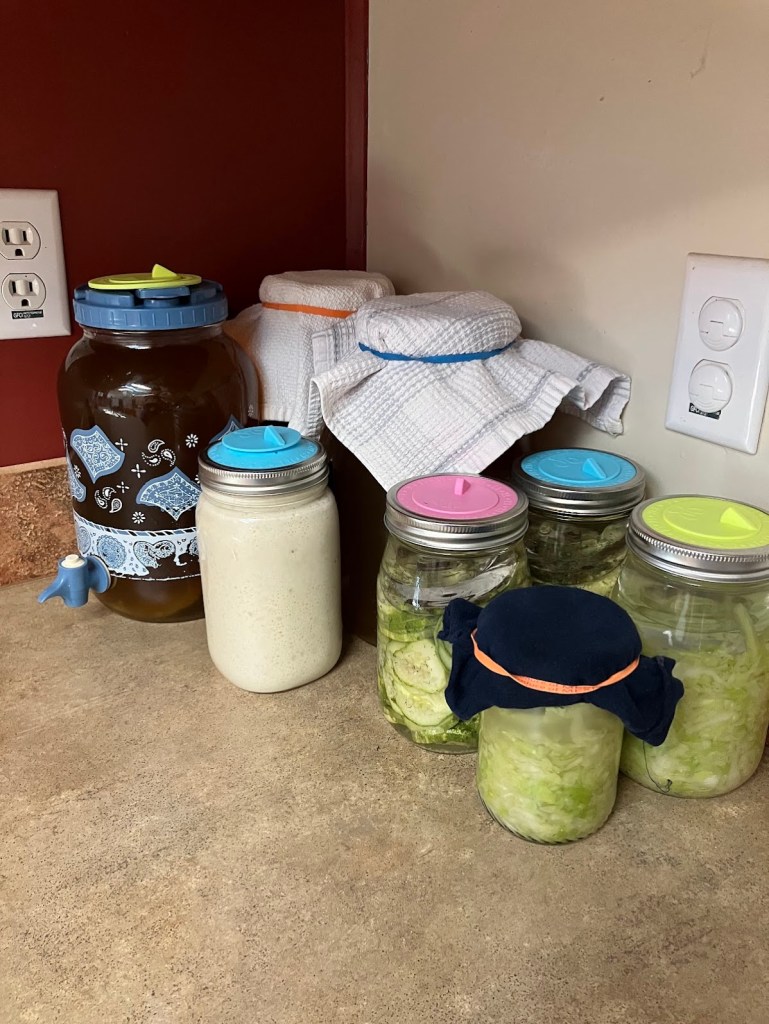
What You’ll Need to Make Sauerkraut
Before you begin, gather a few basic tools and ingredients. One of the best things about sauerkraut is how little you need to create something so delicious and nutritious.
Tools for Fermenting Sauerkraut
- Sharp Knife: For slicing cabbage into thin, uniform strips.
- Cutting Board: A sturdy surface for chopping.
- Large Mixing Bowl: To massage the cabbage and release its natural juices.
- Clean Mason Jars: Wide-mouth quart jars work best for fermentation.
- Fermenting Weight: To keep the cabbage submerged under the brine.
- Fermenting Lid: Optional but helpful for proper airflow during fermentation.
- Wooden Spoon: For packing the cabbage tightly into jars.
Ingredients for Homemade Sauerkraut
- Cabbage: Green or red cabbage both work beautifully. Aim for fresh, firm heads for the best results.
- Salt: Use non-iodized salt, such as sea salt or kosher salt, to avoid interfering with fermentation. I like to use this salt from Redmond’s Real Salt.
- Water: Only needed if you don’t have enough natural cabbage juice to create a brine. Be sure your water is not chlorinated.
With these simple tools and ingredients, you’re ready to start fermenting. Let’s move on to the step-by-step process!
Step-by-Step Guide to Making Sauerkraut
Making sauerkraut is a straightforward process that relies on the natural fermentation of cabbage. Follow these steps to create a batch that’s bursting with flavor and beneficial bacteria.
Step 1: Prepare the Cabbage
Start by selecting a fresh, firm head of cabbage—about 2 to 3 pounds will yield roughly one quart of sauerkraut. Wash the cabbage thoroughly under cold water and remove the outer leaves, which can be tough or damaged. Set aside one clean outer leaf for later use.
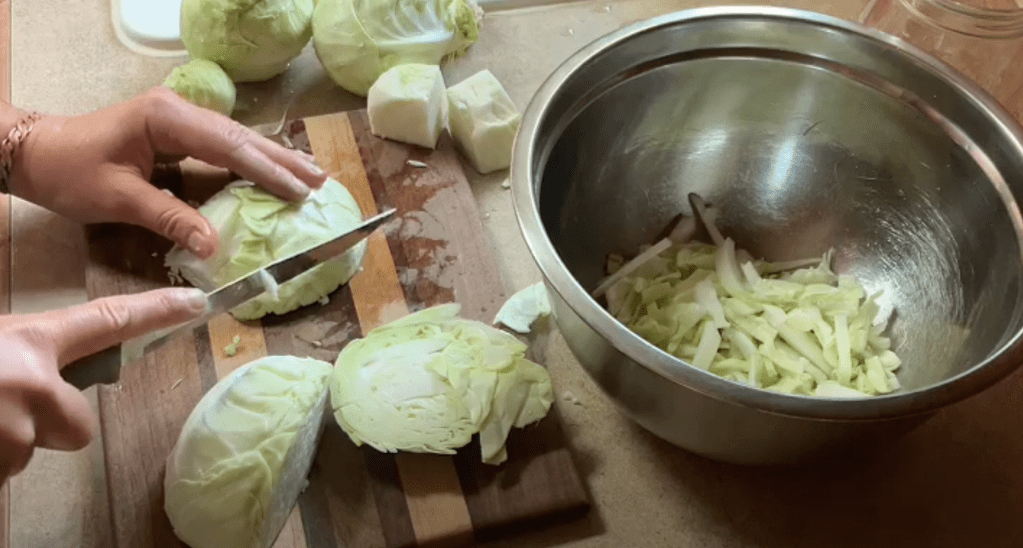
Using a sharp knife, cut the cabbage into quarters and remove the core. Then, slice the cabbage into thin strips, about 1/4 to 1/2 inch wide. Uniform slices are key, as they ensure even fermentation. Thinner strips ferment faster, so aim for consistency to achieve the best texture and flavor.
Step 2: Salt and Massage the Cabbage
Place the sliced cabbage in a large mixing bowl and sprinkle 1 to 1.5 tablespoons of non-iodized salt over the top. For a 2-pound head of cabbage, 1 tablespoon is usually sufficient, but you can adjust slightly based on taste preference.
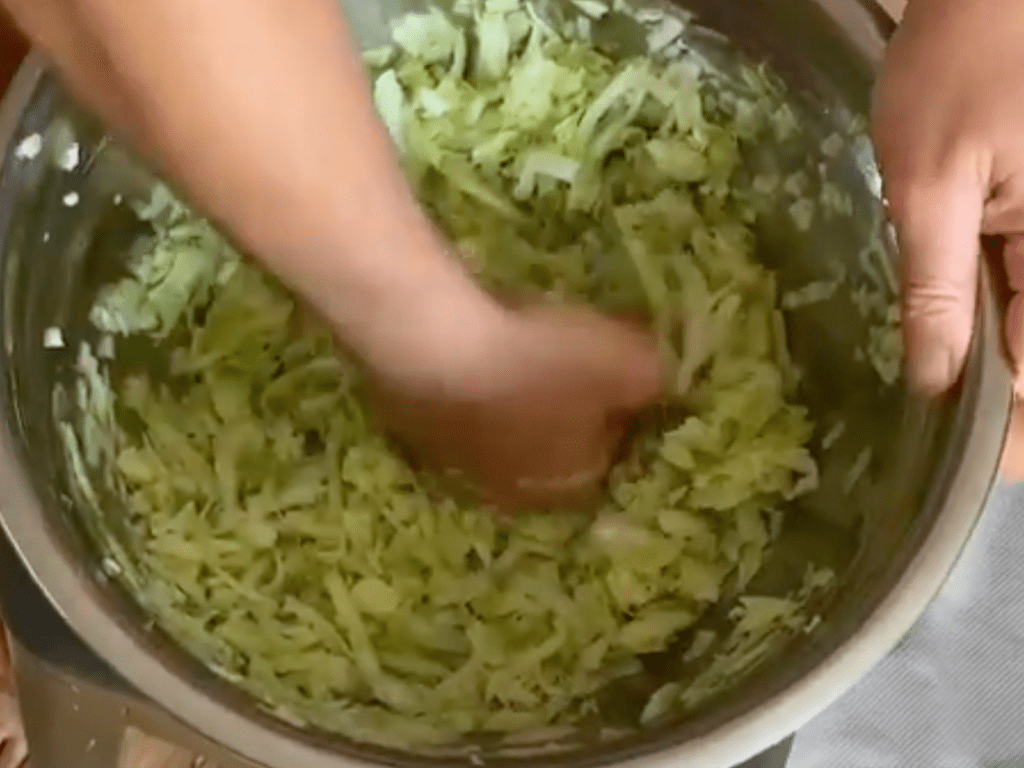
Let the cabbage sit for 10-15 minutes to allow the salt to draw out moisture. Then, massage the cabbage with clean hands for 10-15 minutes. This process breaks down the cell walls, releasing the cabbage’s natural juices, which will form the brine. You’ll know you’re done when the cabbage is soft, slightly translucent, and sitting in a pool of its own liquid.
Step 3: Pack the Jars
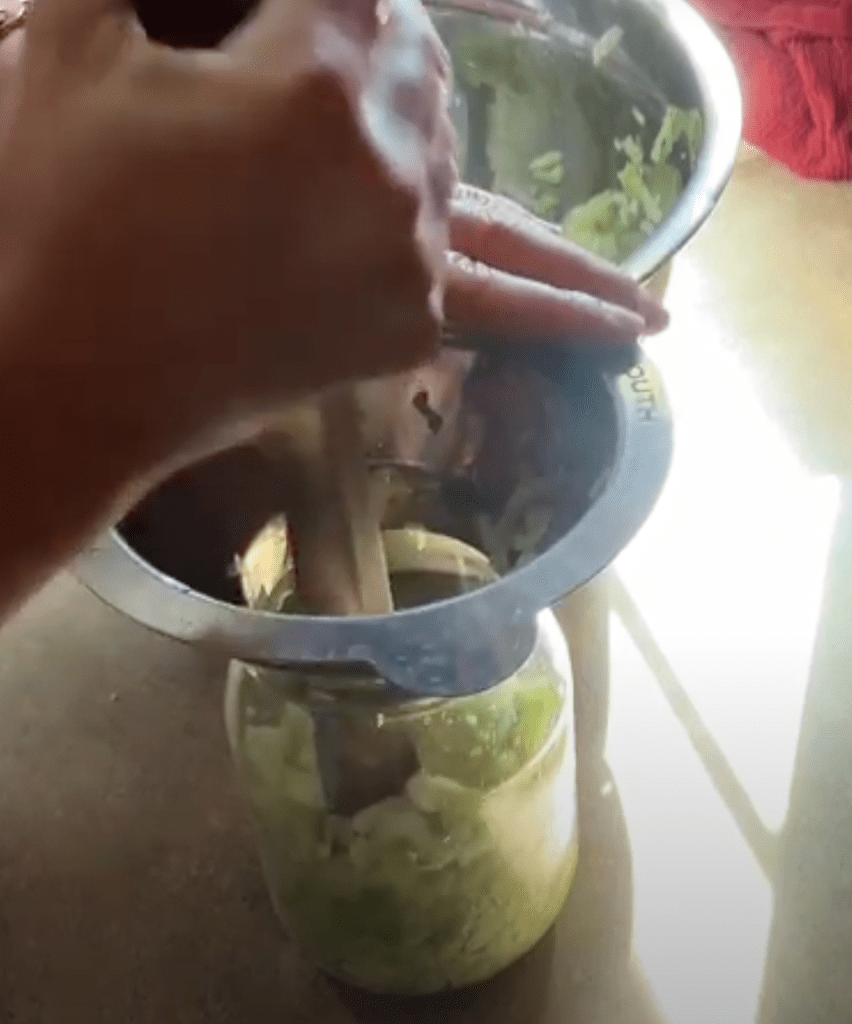
Before packing, ensure your mason jars are clean and sanitized. Using the handle of a wooden spoon, pack the cabbage tightly into the jar, pressing down firmly to eliminate air pockets. Continue adding cabbage and packing it down until the jar is filled to about half to three-quarters full. This leaves room for the brine and fermenting weight.
Pour the liquid released during massaging over the cabbage, leaving about 1 to 2 inches of headspace at the top. If the cabbage isn’t fully submerged, you’ll need to make extra brine.
Step 4: Make Extra Brine (If Needed)
If the cabbage didn’t release enough liquid to cover it completely, don’t worry—it’s easy to whip up a quick brine. Mix 1 tablespoon of non-iodized salt with 4 cups (1 quart) of water until fully dissolved. Pour this brine over the cabbage until it’s fully submerged, maintaining that 1- to 2-inch headspace.
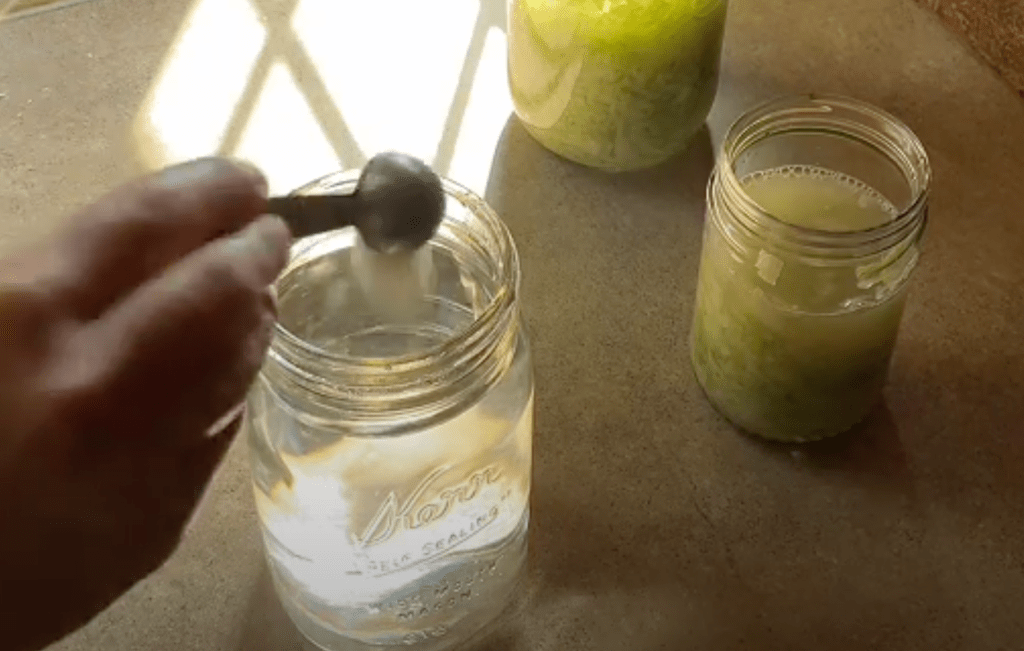
Step 5: Weigh It Down
To ensure proper fermentation, the cabbage must stay submerged under the brine to prevent mold growth. Place a fermenting weight on top of the cabbage. If you don’t have a fermenting weight, use the reserved cabbage leaf and the core to create a natural barrier. Fold the leaf over the cabbage and press the core on top to hold everything below the brine.
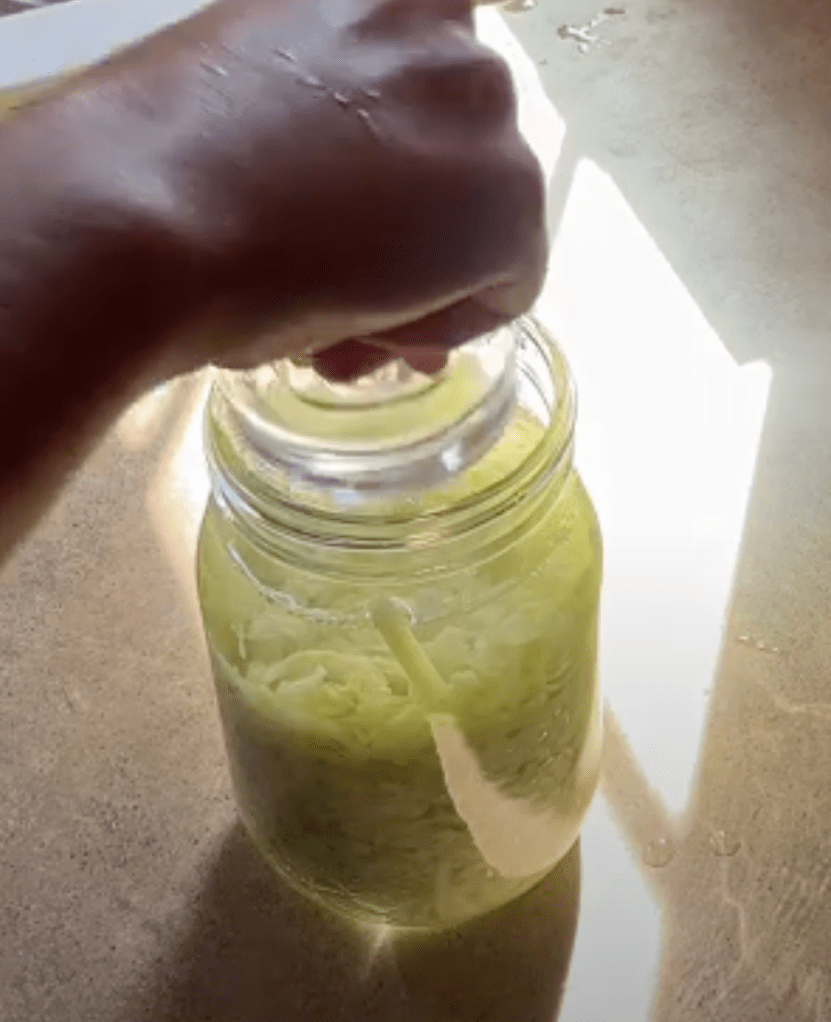
Step 6: Cover and Ferment
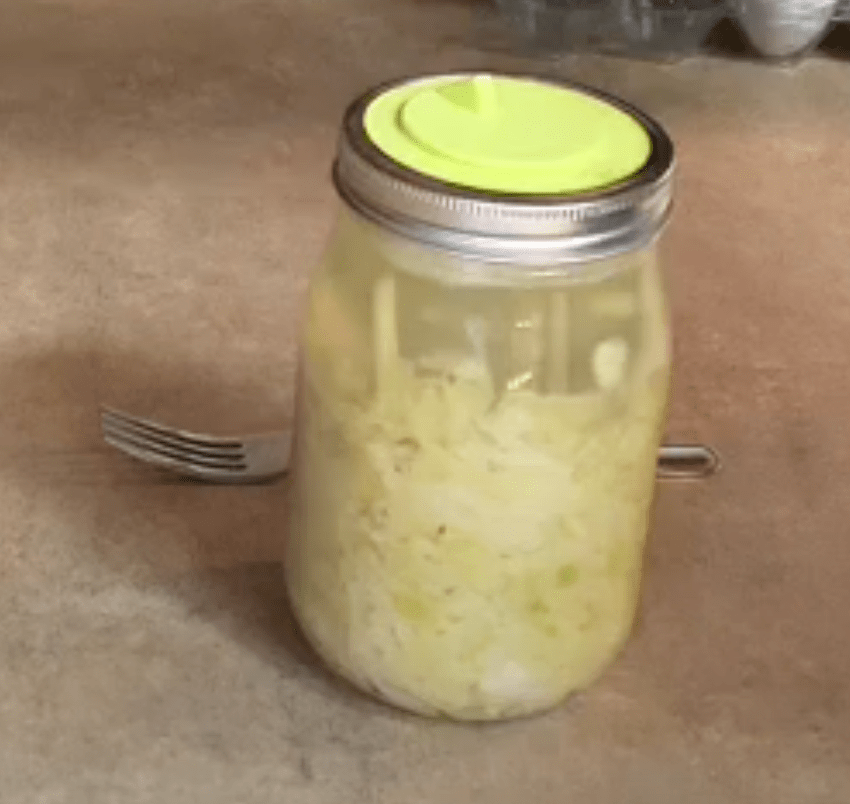
Top the jar with a fermenting lid, which allows gases to escape while keeping contaminants out. If you don’t have a fermenting lid, cover the jar with a clean paper towel or cloth and secure it with a rubber band. Place the jar in a cool, dark spot—ideally between 65°F and 75°F—out of direct sunlight.
Let the sauerkraut ferment for 5 to 9 days. The exact time depends on your taste preference and the ambient temperature. Warmer environments speed up fermentation, while cooler ones slow it down.
Step 7: Taste and Store
After 5 days, start tasting the sauerkraut daily. It’s ready when it has a pleasantly tangy, slightly sour flavor. Once it reaches your desired taste, remove the fermenting weight and lid, replace with a regular mason jar lid, and store the sauerkraut in the refrigerator. It will continue to develop flavor slowly in the fridge and can last for several months.
Tips for Perfect Sauerkraut Every Time
To ensure your sauerkraut turns out perfectly, keep these tips in mind:
- Choose the Right Jar Size: Only fill jars half to three-quarters full to leave space for brine and weights. For a 2-pound cabbage, a quart-sized mason jar is ideal, but you may need multiple jars for larger batches.
- Keep It Submerged: Always ensure the cabbage stays below the brine to prevent mold. Check daily during fermentation and press down the cabbage if needed.
- Monitor Temperature: Fermentation works best between 65°F and 75°F. Avoid extreme heat or cold to maintain consistent results.
- Experiment with Flavors: Once you’ve mastered the basic recipe, try adding spices like caraway seeds, dill, or garlic for a unique twist.
- Cleanliness Is Key: Always use clean tools and jars to avoid contamination. Sterilize jars by boiling them or running them through a dishwasher.
Health Benefits of Sauerkraut
Sauerkraut isn’t just delicious—it’s a nutritional superstar. Packed with probiotics, it supports a healthy gut microbiome, which can improve digestion and boost immunity. It’s also rich in vitamins C and K, as well as fiber, which promotes overall wellness.
Fermented foods like sauerkraut have been linked to reduced inflammation and improved mental health, making it a fantastic addition to a balanced diet.
Frequently Asked Questions About Homemade Sauerkraut
How Much Cabbage Do I Need for a Quart Jar of Sauerkraut?
A 2- to 3-pound head of cabbage typically yields one quart of sauerkraut. This accounts for the weight lost from removing the core and outer leaves, as well as the compaction during packing. If you’re making a larger batch, scale up accordingly—about 1.5 pounds of cabbage per pint jar.
How Long Does Sauerkraut Last?
When stored properly in the refrigerator, homemade sauerkraut can last for 3 to 6 months. The cold temperature slows fermentation, preserving the flavor and texture. Always use a clean utensil when scooping out sauerkraut to avoid contamination.
Can I Use Table Salt Instead of Sea Salt?
Avoid iodized table salt, as iodine can inhibit fermentation. Opt for non-iodized salt like sea salt, kosher salt, or pickling salt for the best results.
What If My Sauerkraut Develops Mold?
If you see mold on the surface, it’s often due to the cabbage not being fully submerged. Skim off the mold, remove any affected cabbage, and ensure the remaining sauerkraut is covered by brine. If the mold is extensive or the sauerkraut smells off (beyond the normal tangy scent), discard the batch and start over.
Can I Add Other Vegetables or Spices?
Absolutely! Carrots, garlic, dill, or juniper berries are popular additions. Just ensure any extra ingredients are fresh and clean to avoid contamination.
Serving Suggestions for Sauerkraut
Homemade sauerkraut is incredibly versatile. Here are a few ways to enjoy it:
- As a Side Dish: Serve alongside grilled sausages, pork chops, or roasted vegetables for a tangy contrast.
- In Sandwiches: Add a scoop to Reuben sandwiches, burgers, or avocado toast for extra crunch and flavor.
- In Salads: Toss sauerkraut into grain bowls or green salads for a probiotic boost.
- As a Snack: Eat it straight from the jar for a quick, gut-healthy snack.
Troubleshooting Common Sauerkraut Issues
- Not Enough Brine: If the cabbage doesn’t release enough liquid, make extra brine using the 1 tablespoon salt to 1 quart water ratio.
- Too Salty: If the sauerkraut tastes overly salty, rinse it lightly before serving or reduce the salt in your next batch.
- No Fermentation: If there’s no tangy flavor after 9 days, check the temperature. Too cold an environment can stall fermentation. Move the jar to a warmer spot and give it a few more days.
Making homemade sauerkraut is a fun, affordable way to enjoy a delicious and healthy fermented food. With just cabbage, salt, and a little patience, you can create a tangy, probiotic-packed condiment that elevates any meal.
Whether you’re topping a sandwich, adding it to a salad, or enjoying it on its own, your homemade sauerkraut will be a kitchen staple you’ll love sharing with family and friends. So grab a head of cabbage and start fermenting today!
 Cora's Cottage
Leave a comment