Spring is here, and it’s time to plant your dream garden! But without the right tools, gardening can feel overwhelming. Don’t worry—I’ll share the must-have tools and tips to make planting a breeze. Planting the garden in the spring can be a stressful time, but having the right tools can help reduce that stress of getting everything in the ground. I know this first hand after not having the right tools my first year.
Remember the excitement of starting your first garden? I sure do! I moved into my first house in town after college, I was so excited to start a garden. However, I quickly realized that I was missing some of the tools that would make it much easier. All I had was a hoe and a rough garden plan in my head.
With the realization that I was missing some tools that would make planting much more enjoyable, I went to the local hardware store to pickup a few tools like a rake, a shovel, a garden trowel, and a tape measure.
Every garden is different, but some of the basics can be applied to almost ever garden. I have both in ground and raised bed gardens and each needs slightly different types of tools to make planting go smoothly. However, the principles behind having the right tools in each method stays the same.
An Unconventional Use of a Rake for Easy Planting
There are multiple uses for a rake in the garden, and smoothing the soil after tilling is an important one to help keep your rows even. Using the smooth edge of the rake instead of the tines allows you make a smooth surface before making your rows.
When it comes to closing rows and gently firming up the soil on top of the row a rake can help to save time. Simply turn the rake over and use the back of the rake to push soil back into the trough on top of the seeds. There are certainly other ways of closing rows, like using your hands, but using a rake is easier on your back and knees and is much faster.
A Hoe Isn’t Just for Weeding
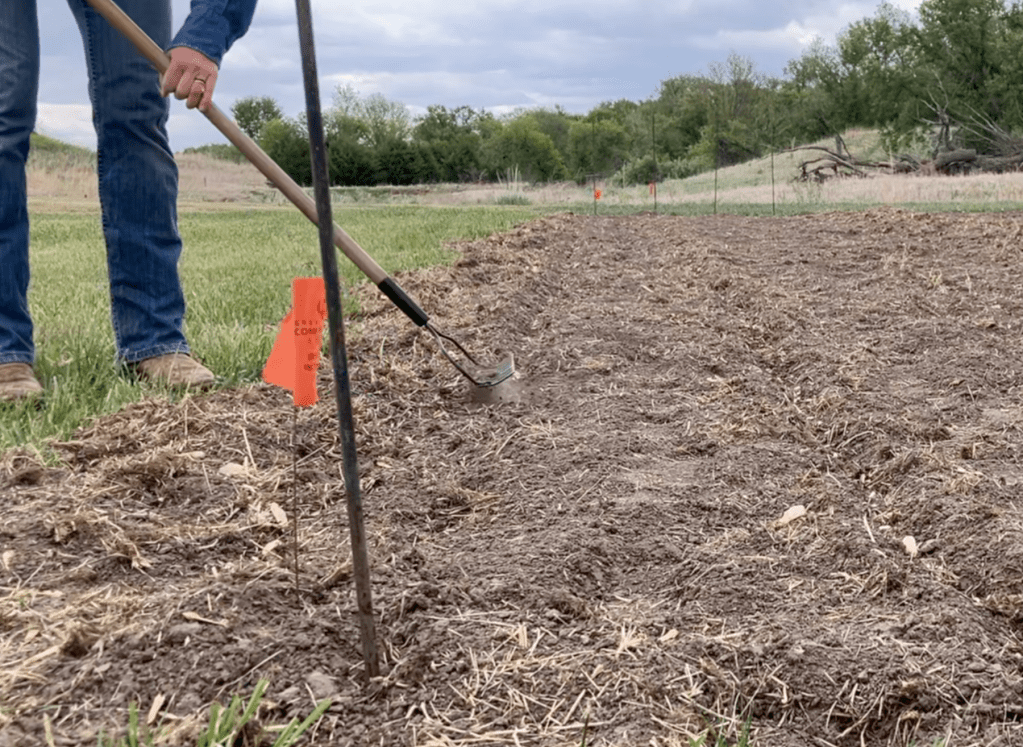
This is one of my most used tools when I am planting the in-ground garden in the spring. I use my hoe to open my rows which means I am using it to plant anything that is seed. To make a trough, I turn the hoe on its side and use the edge to open a narrow trough to drop the seeds. It takes me less than a minute to open each row, making this an efficient way to plant seeds with a tool that I already have to keeping weeds under control during the growing season.

Compacted Beds? Grab a Shovel!
A shovel isn’t the most usefully tool for an in-ground garden when it is time to plant, but I find it very useful for turning my raised beds. Many of the raised beds that I use get very hard and packed over the winter especially when our dogs decide that they make very nice beds.
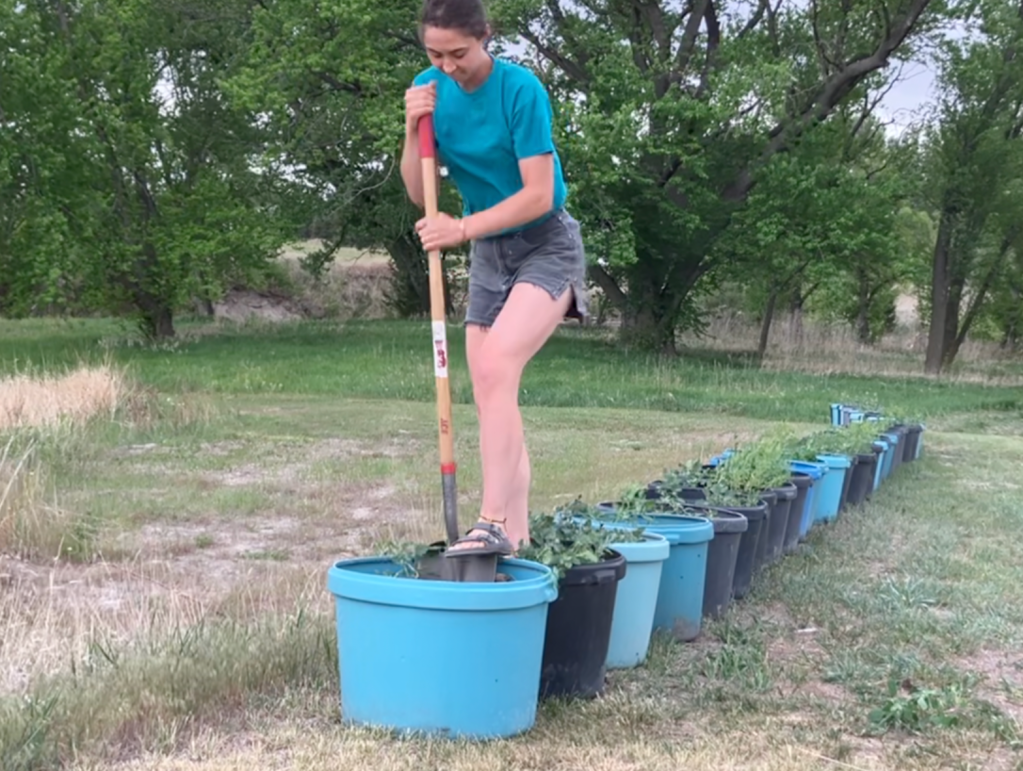
I use a shovel to turn any raised beds that are packed to help loosen up the soil so that I can plant and so that the immature roots of plants don’t have to fight so hard to get established. In an ideal world, I would prefer to not have to turn all my raised beds every year, but so far I have had to do just that. However, this does allow me to turn the mulch from the prior year that hasn’t completely decomposed under the soil where it will decompose more quickly to add nitrogen, potassium, and phosphorus to the soil.
A shovel is also very useful if you are adding compost to the soil in both an in-ground garden or raised beds.
Extra Length, Extra Rows: How A Long Tape Measuring Can Speed Up Planting
While you certainly can get by without large tape measure, it makes planting an in-ground garden with long rows much easier and faster. It keeps you from having to constantly be moving your measuring tool and allows you to plant more than one row at a time when planting things like onions or green beans where the rows are relatively close together.
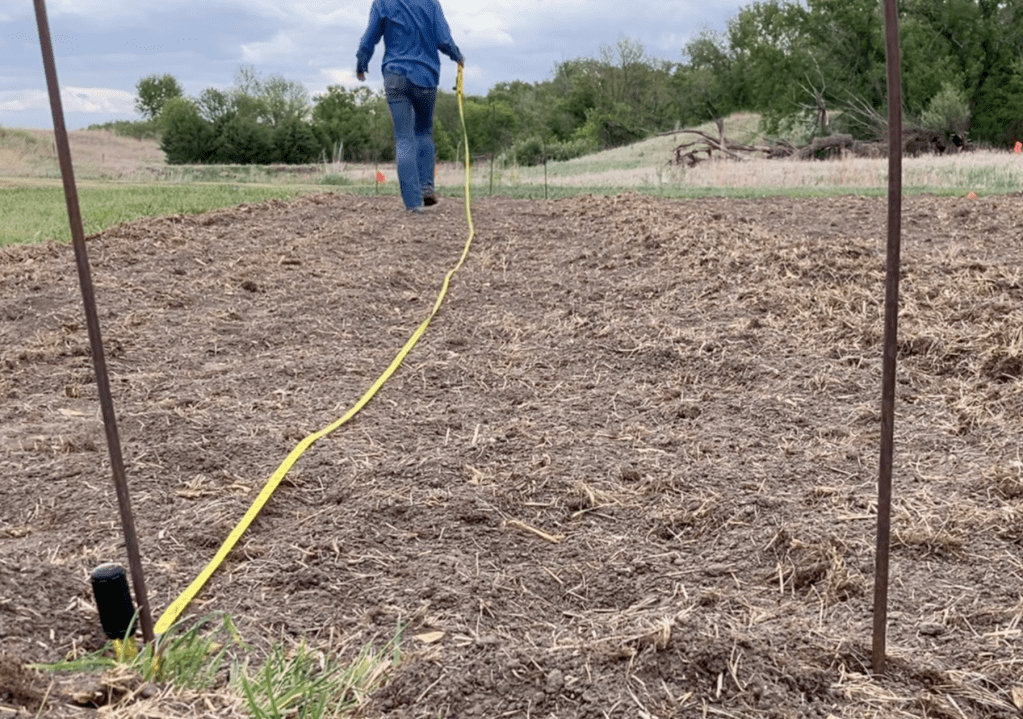
The tape measure that I have has a loop on the end that allows me to use a stake or screwdriver to hold the end in place while I stretch it out to the far end of the garden. This is where the clamp can be useful. To stretch the tape tight for accurate measurements, a clamp can be used around a stake to hold the tape measure taunt.
However, there are times when it is easier and faster to plant more than one row at a time, like when planting things that are have rows that are only 1-2 feet apart such as onions or green beans.
In this case, two stakes can be used to wrap the tape measure around before doubling it back to measure out a second row. When the end of the second row is reached, a clamp can be used around another stake to hold the tape measure tight for accurate measurements.
How Multi-Purpose Garden Stakes Can Make Planting Easier
Some of the uses for stakes have already been mentioned, such as hold a tape measure tight when planting rows; however, there are additional uses for stakes when planting your garden!
Stakes in this case be a lot of different things. You can get wooden garden stakes at a garden store, or you can use round steel electric fence posts (this is what I use), or other types of stakes you already have lying around. What type of stake really isn’t important as long as it is sturdy enough to hold up to the elements.
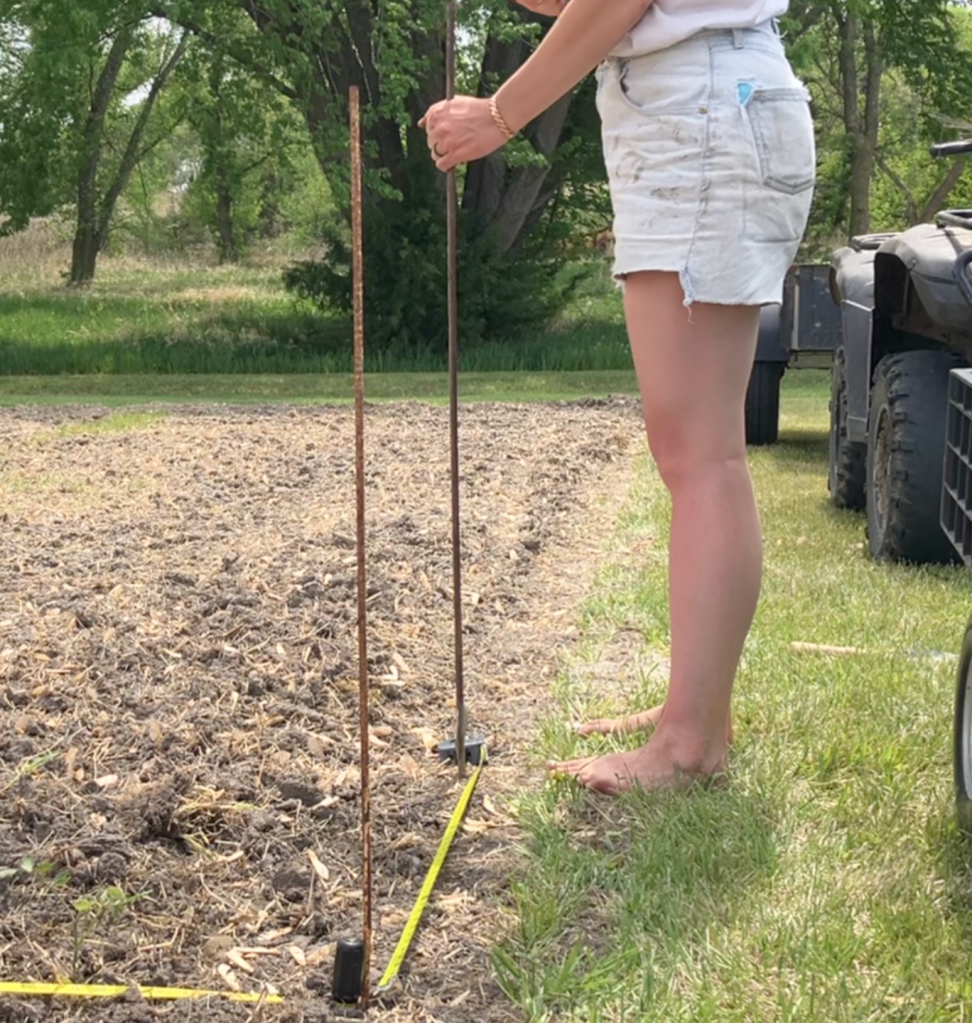
If you use round electric fence posts they can be used to help hold tomato cages in place. This is an important use in my garden, because winds and animals (read dogs) can easily move these cages, but a simple stake or two can keep the cages exactly where I want them, helping to add support to the tomatoes as they grow and keep animals away from the tomatoes when they are young and fragile.
I also like to use stakes to mark the ends of rows until plants have gotten large enough that they can easily be seen. This helps keep my rows straight when I am planting because I can measure off of the stakes from the previous row, and it keeps young plants from being stepped on when they are very small and hard to see.
How to Use A Garden Trowel for Planting Seedlings
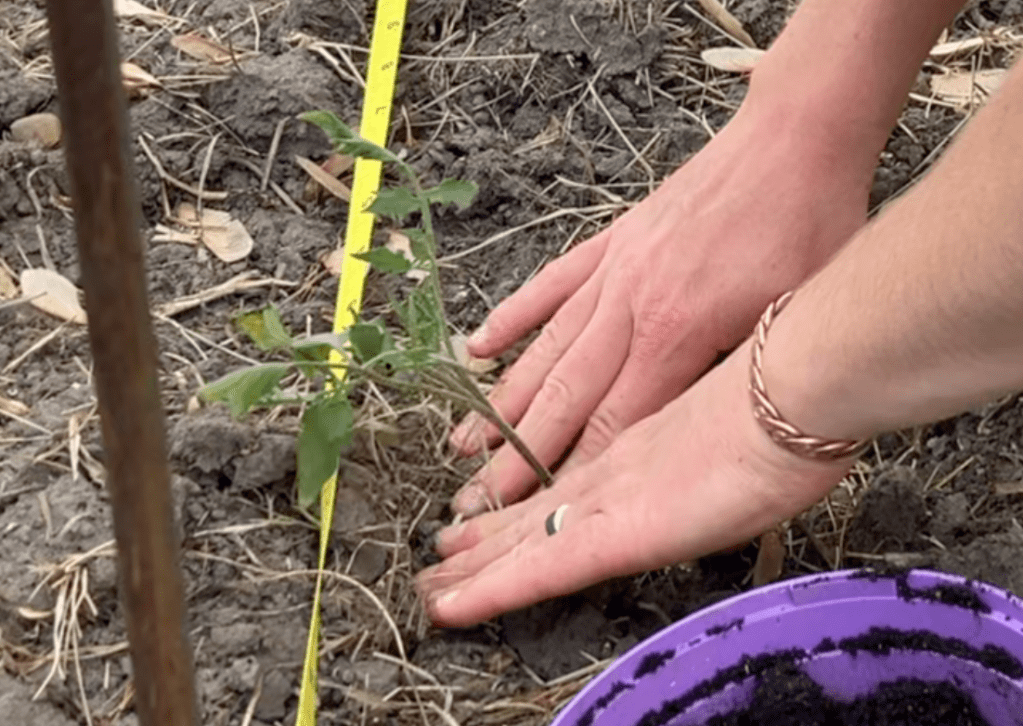
I often use a garden trowel in my raised beds or when planting seedlings like tomatoes or peppers. It is one of the easiest ways to dig a small hole to plant the seedling that is large enough for seedlings without using a full sized shovel. This particular garden tool is also useful for planting seed potatoes. You can even use the trowel to gently hold the hole open while you are planting the seedling.
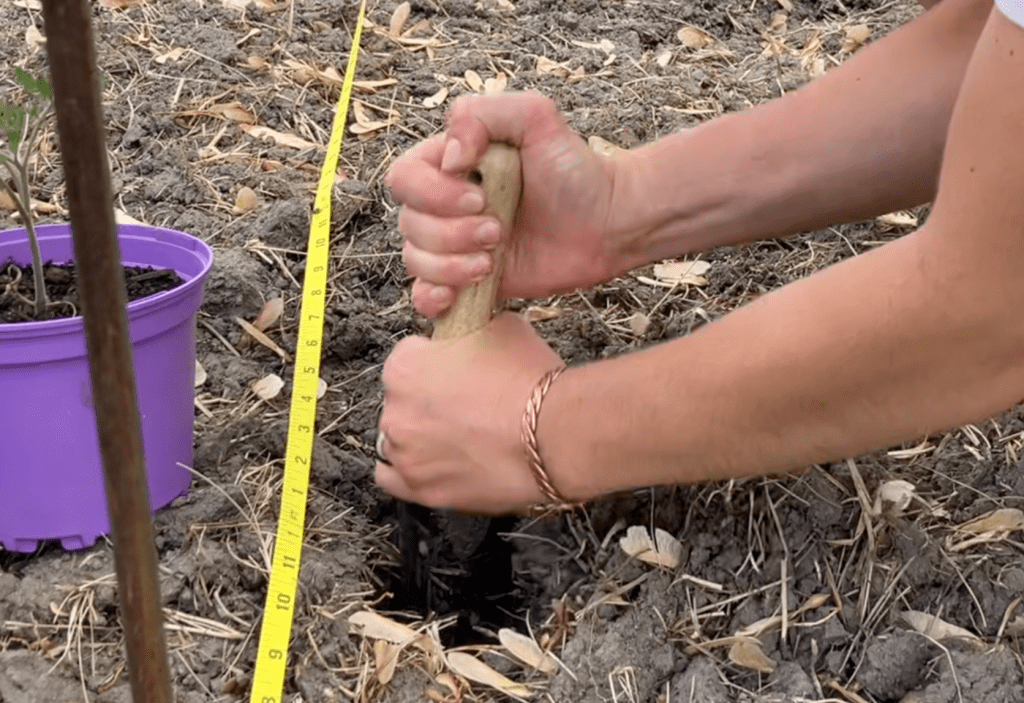
I also use my garden trowel when adding pollinator plants to my garden such as flowers. I like to add flowers to attract pollinators by scattering them throughout the garden. Not only does this attract pollinators, but certain flowers can also add nutrients and deter pests while adding some extra color to the garden. One of my favorite flowers to add into my vegetable garden are Marigolds!
Make a Garden Plan For Low-Stress Planting
This might be the most important tool when planting a garden. Having a plan before you start putting seeds in the ground helps to eliminate the stress about whether you will have enough room or not and if you have enough seeds or seedlings for your space … or too many. It can also help you know which tools will be helpful for you when you are planting and maintaining your garden.
I like to make my garden plan a few months before I will be planting so that there is plenty of time to buy seeds or seedings. This can be especially helpful if I am looking for a specific variety that is not carried in local stores or that often sells out quickly.
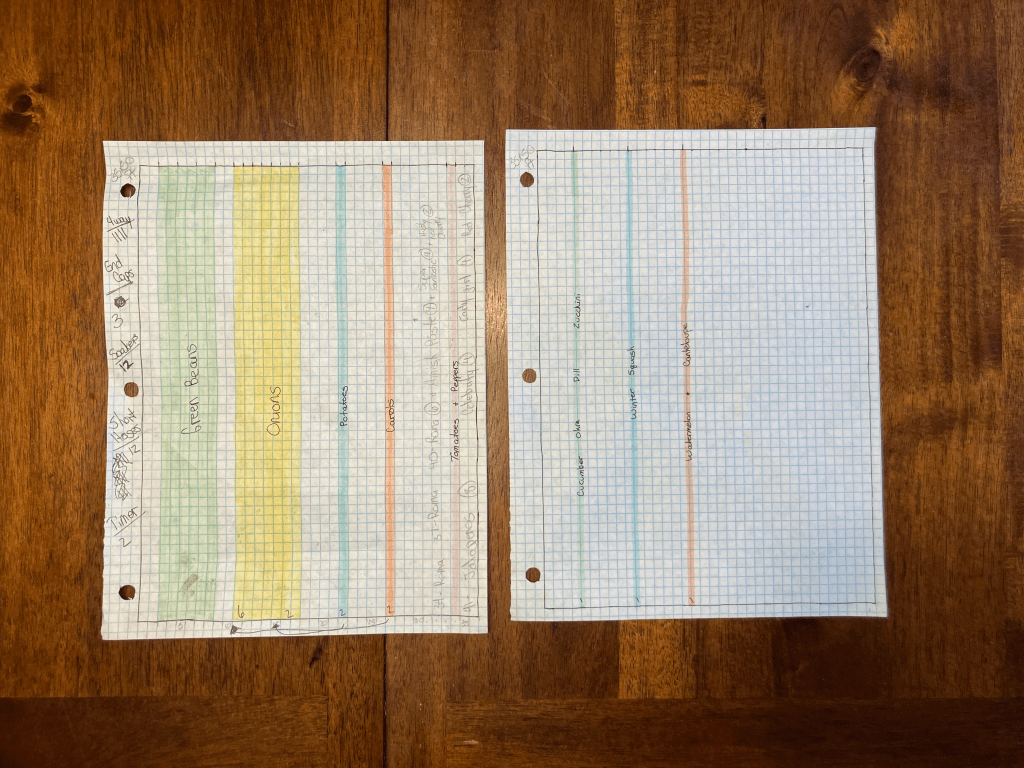
It is not uncommon for certain varieties to sell out, so by planning ahead and getting my seeds early it helps to eliminate this frustrating set back when it is time to put seeds in the ground. It also allows me to take advantage of any promotions or sales that seed companies might be running in early spring to save some money on seeds or shipping.
I walk through how I garden planned for our city lot garden a couple of years ago in this blog post that you can check out to get a better idea of how to set up your own garden plan!
My current year garden plan is for a different property with more space that allows me to put the whole garden in one place, the concepts still apply.
Which garden tool is your favorite? Let me know in the comments!
 Cora's Cottage
Leave a comment