
This is not medical advice. It is simply meant to informational. Always seek the advice of your physician or other qualified health care professional with any questions you may have regarding a medical condition or treatment before beginning a new regimen.
This post includes affiliate links from which I may earn a small commission at no additional cost to you.
The ingredients we use in and on our bodies can make a big difference in our health. We are constantly hearing about the ingredients we should be avoiding, but what about some ingredients that are beneficial we can be looking to include in the products we use??
That is exactly what I have compiled! These 7 ingredients used in skincare products don’t just not harm your health they can benefit your health too!
In case you missed it, this is part 3 in a series on making low-tox choices and healthy swaps for your home. The first blog focused on myths, unhelpful advice, and ingredients to avoid (and some of the whys!) when working toward a low-tox lifestyle. The second blog in the series included 3 powerhouse ingredients that can be found in skincare products: topical vitamin C, bakuchiol, and peptides.
At the end, I share why water is an important ingredient in skincare products and why you should scrutinize the organic label on cosmetics.
Hyaluronic Acid
Despite having the word “acid” in its name, hyaluronic acid is not a true acid. In fact, hyaluronic acid has a pH of 5.0 to 8.0.
Hyaluronic acid is naturally occurring in our skin, helping to hydrate and keep the skin stable by holding collagen and elastin in the proper configurations. It is so good at hydrating the skin because it can hold up to 1000 times its weight in water and can help the epidermis pull moisture from dermis and the environment. When applied on damp skin, hyaluronic acid can even trap in moisture.
Because of its ability to hydrate the skin as well hold collagen and elastin in the correct configurations, hyaluronic acid has shown great anti-aging, anti-wrinkle, and skin rejuvenating properites. (source)
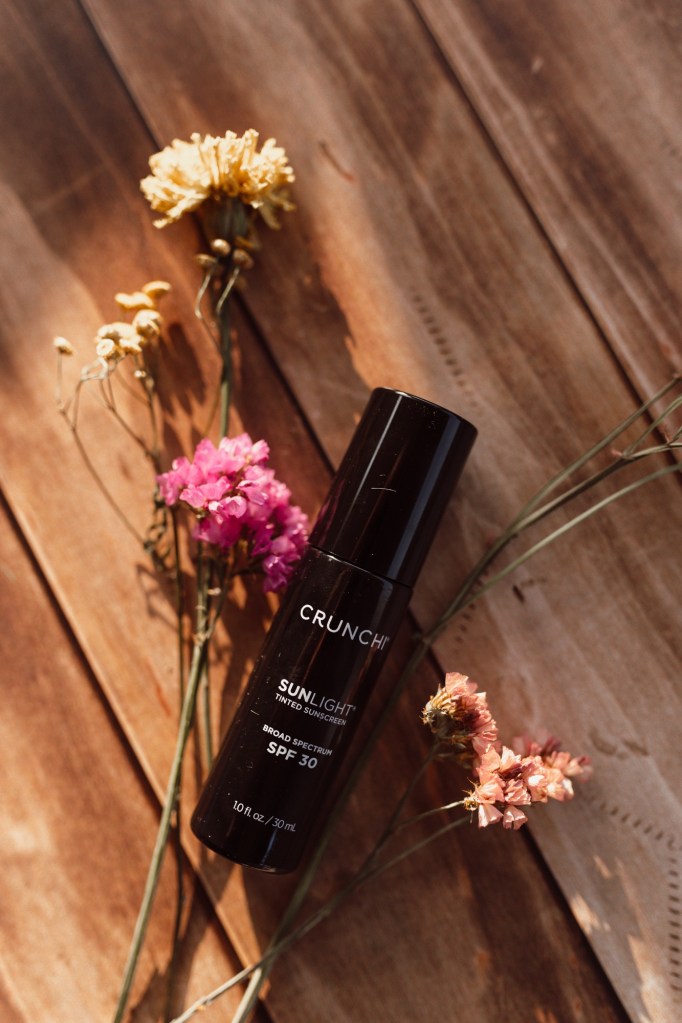
Some of my favorite products that contain hyaluronic acid include Clarilight Facial Essence, Sunlight Facial Sunscreen, and Sunlight Tinted SPF.
Paracress Extract
Paracress extract comes from the paracress plant (Acmella oleracea) and contains an ingredient called spilanthol which can inhibit muscle contractions. However, unlike botulinum toxin (Botox), spilanthol does not cause complete paralysis allowing for natural facial expressions. (source)
Paracress has been shown to result and firmer and smoother skin by tightening collagen. (source) It can also sooth the skin, resulting in reduced redness and irritation. (source)
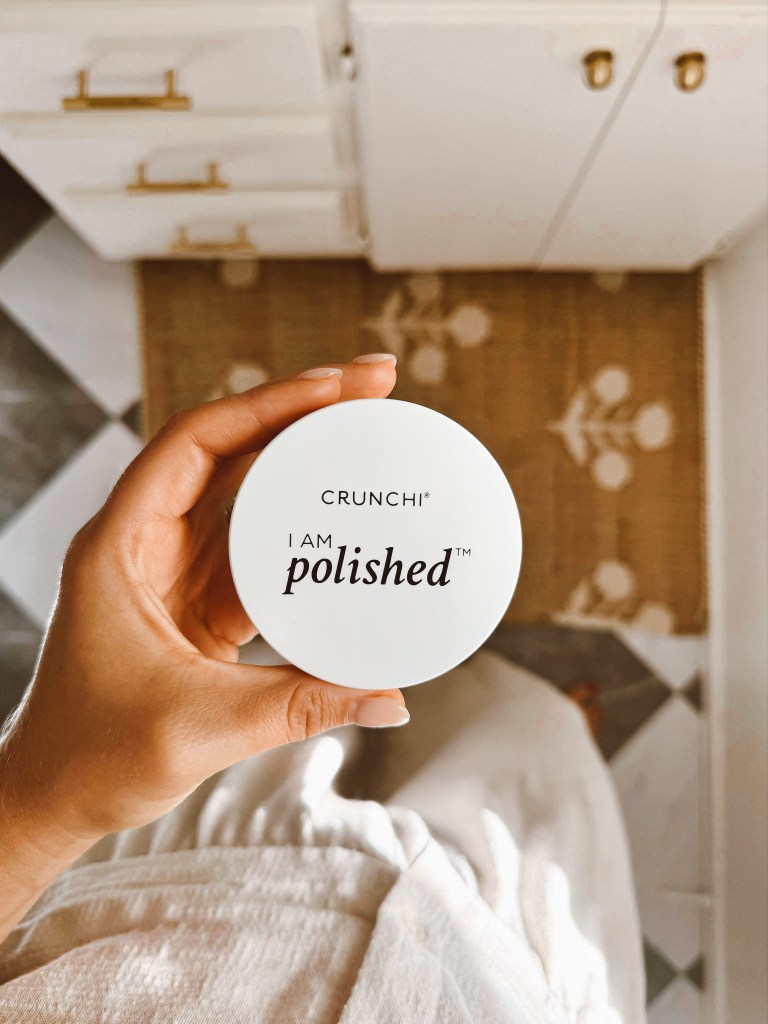
One of my favorite products that contains paracress extract is I Am Polished Facial Exfoliator.
Seabuckthorn Oil
Sea buckthorn oil contains plant sterols that can help hydrate the skin, smooth its texture, and improve its elasticity. It also contains vitamin C, which can help maintain higher collagen levels and protect the skin from sun damage.
Sea buckthorn oil can also help with skin health by nourishing the skin with fatty acids, which can help maintain a healthy barrier function. It can also help with acne, redness, eczema, and other irritations.
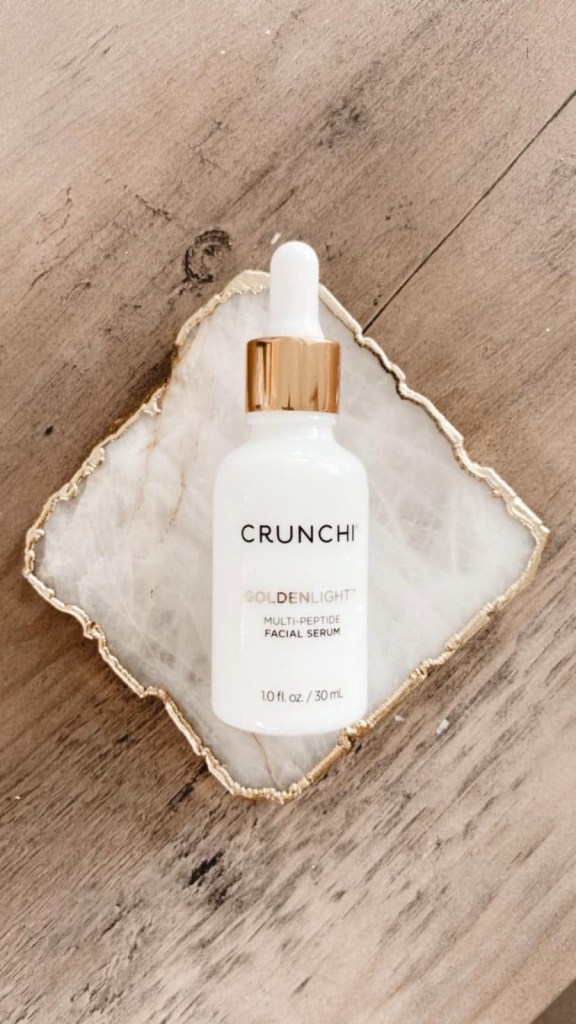
My all time favorite serum Goldenlight Facial Serum contains sea buckthorn oil.
Sea Fennel
Sea fennel naturally supports collagen production while also soothing and calming the skin. A natural source of vitamin A, sea fennel has similar benefits to the synthetic form of vitamin A, retinol, without the irritation and health risks.
Sea fennel is safe and even beneficial to use on skin that is dehydrated, compromised, aging, sensitive, and acne-prone.
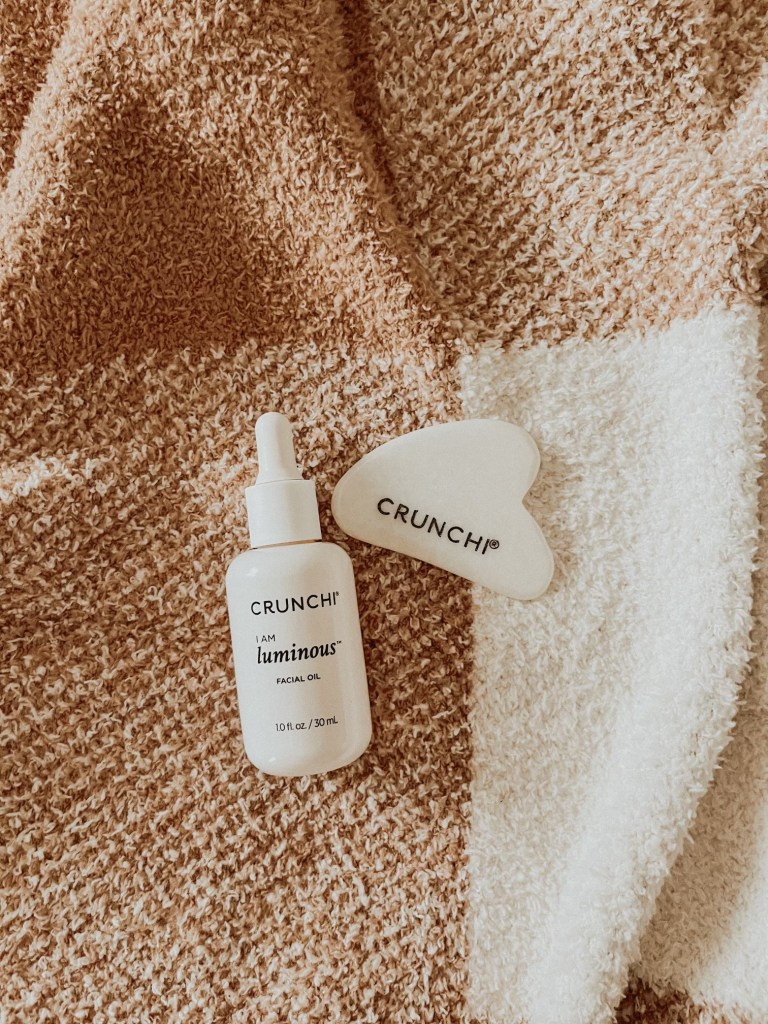
I Am Luminous Facial Oil contains sea fennel and is a great addition to your skincare routine!
Snow Mushroom Extract
Snow mushroom, also called Tremella Fuciformis, can hold up to 500 times its weight in water and provides long lasting hydration to damaged skin.
Snow mushroom extract contributes to a resilient, youthful looking complexion, strengthens the skin’s barrier, and helps resist oxidative stress.
A couple products with snow mushroom extract are I Am Flawless Foundation, My Alibi Concealer, and Cheekmate Liquid Blush.

Niacinamide
Niacinamide has been found to be helpful at treating lots of different skin disorders and complaints from aging to acne and hyperpigmentation to psoriasis. There are several properties that niacinamide is said to hold including anti-inflammatory and antioxidant. (source)
Some tangible benefits that can be seen when using products with niacinamide include a more even skin tone and a brightening of the skin such as a reduction in under eye dark spots.
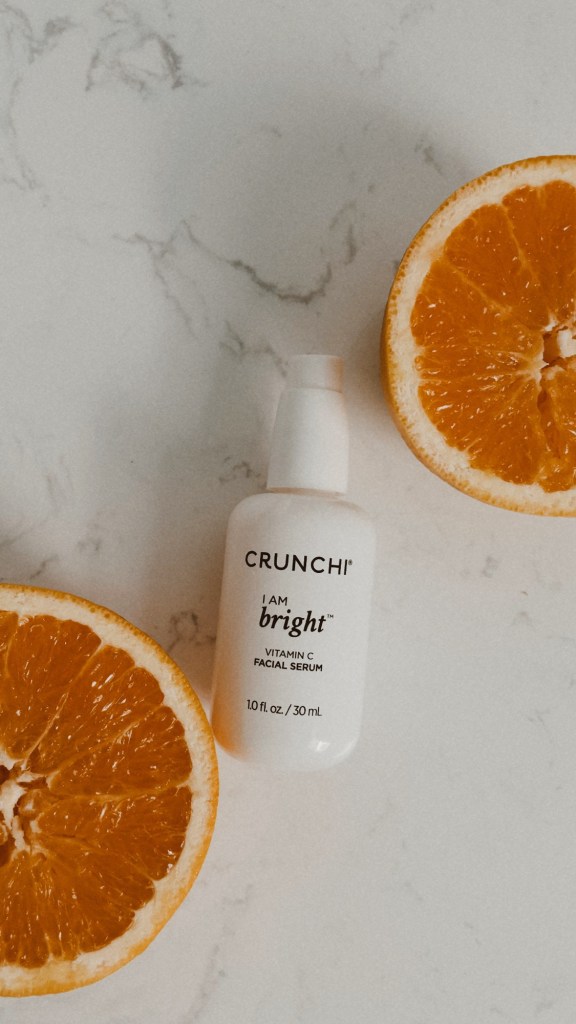
Some skincare products that contain niacinamide include I Am Bright Facial Serum and Powerlight Eye Cream.
Squalane
Squalane closely mimics the skin’s lipid barrier which helps the skin to have healthy skin barrier function. Additionally, it can provide hydration to the skin.
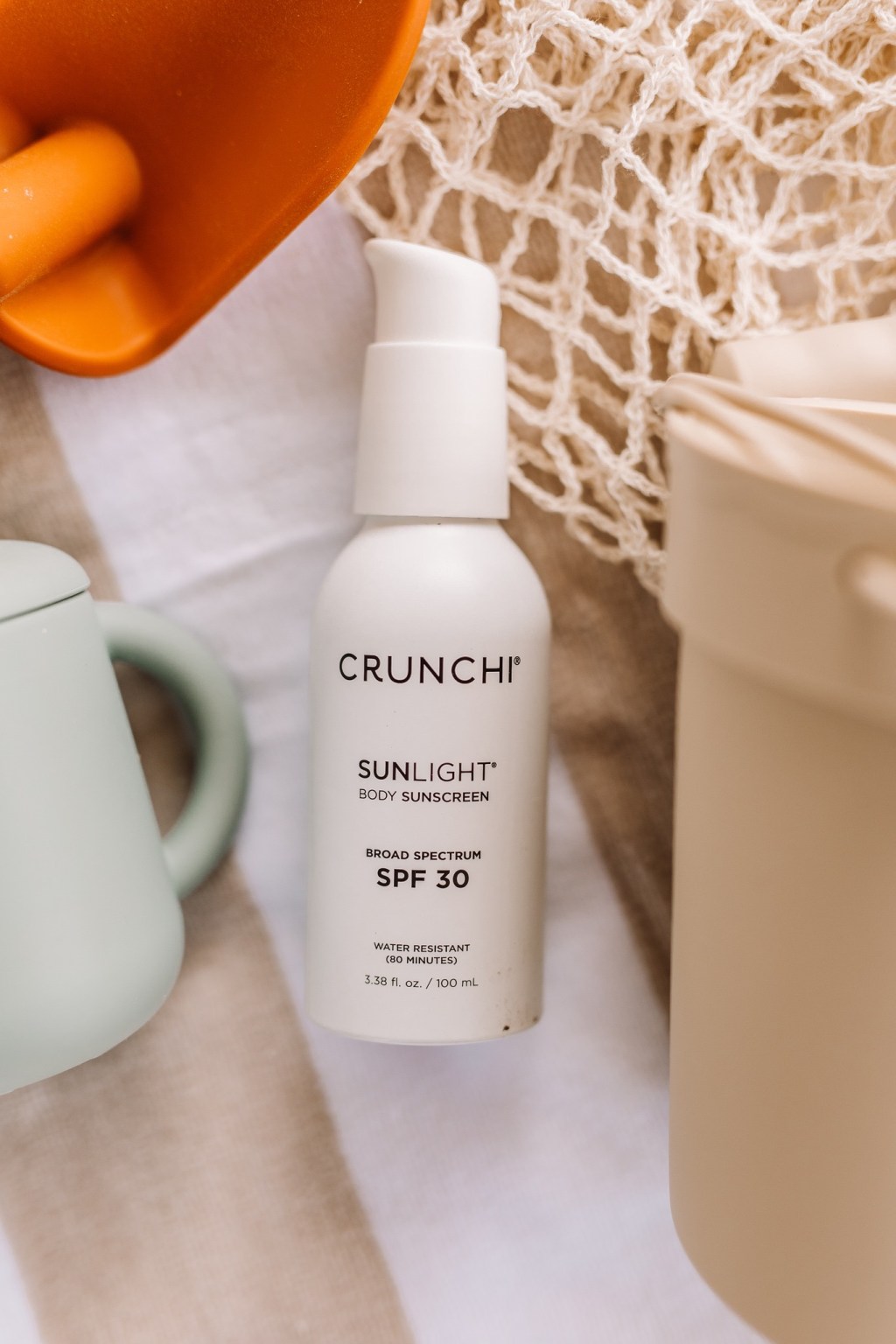
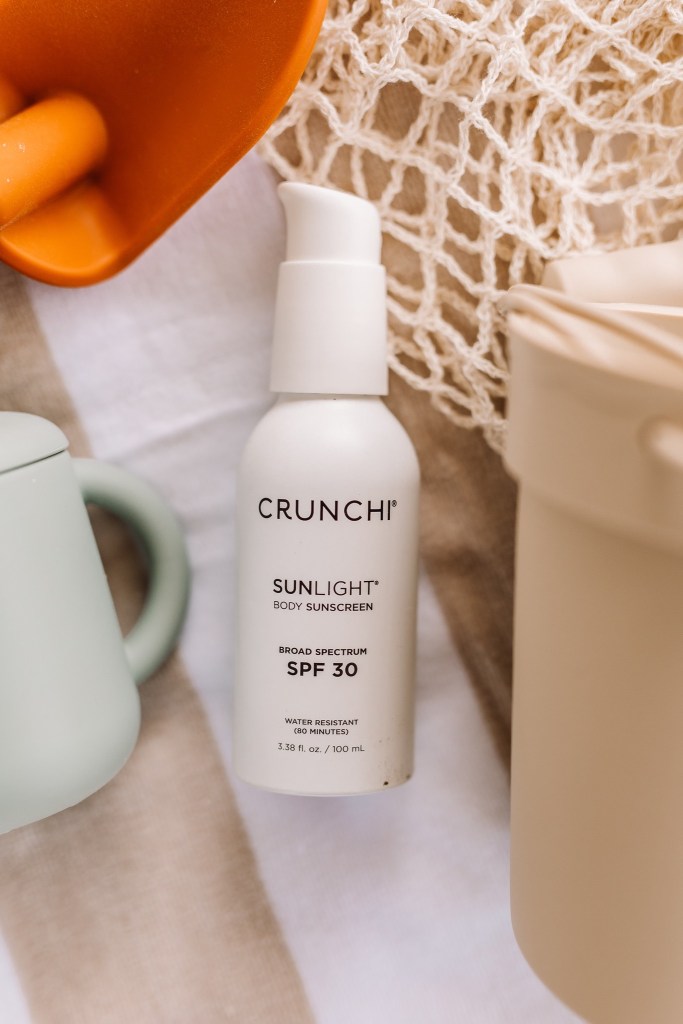
Sunlight Body SPF and I Am the Balm Makeup Cleansing Balm both contain squalane.
Water in Skincare Products
There are several reasons why water is important in skincare including hydration, as a solvent, consistency, and penetration.
Hydration: Without water in a product, water can instead be pulled from the skin causing the skin to become dry and depleted. However, if a product contains water it can help the skin to stay hydrated, supporting the skin’s natural barrier function and prevent dryness and irritation. Skin must be properly hydrated to stay soft, smooth, and supple.

Solvent: Water acts to dissolve other beneficial ingredients, such as vitamins and minerals, which allows them to be more easily absorbed and delivered to where they’re needed.
Consistency: Water is used to create emulsions (mixtures of water and oil) that are used as the base for many lotions, creams, and serums. Emulsions make products easier to apply and more comfortable to use by contributing to the overall texture and consistency of the product.
Penetration: Water hydrates the skin, creating a more permeable surface that allows beneficial ingredients to be absorbed better.
Organic Badge in Skincare
There are several reasons to scrutinize the organic label in skincare:
- Not all ingredients can be organic: Some ingredients cannot be organic because they are not agriculture products (water, minerals, etc.) Therefore, it can be misleading to label an entire product as organic if it contains there non-organic ingredients.
- Percentage of organic ingredients: Just because a product carries the organic label, doesn’t mean that all the ingredients in the product are organic. In fact, some products may contain as little as 70% organic ingredients and still be labeled as organic because regulations for certifying a product as organic vary by regulating body (USDA, COSMOS, etc.). If you want to the know the amount of organic ingredients in a product labeled organic, check the label for the percentage of organic content.
- Lack of standardization: Standards and criteria for what can be considered organic vary by country and certifying organization. Therefore, inconsistent labeling can be prevalent especially in the beauty industry where the term “organic” can be used loosely.
- Marketing tactics: Some brands will use the organic badge even if the product only contains a small portion of organic ingredients because they know customers are looking for natural and safe products.
- Certification authenticity: When looking for organic products, consumers should look for recognized certifications (USDA Organic, ECOCERT, or COSMOS) because not all organic claims have a certification from a reputable organization backing them.
As a consumer it is important to read labels, look for reputable organic certifications, understand that not all ingredients that are beneficial can be organic, and do research on the brand’s overall commitment to organic practices and transparency. Using these practices can help consumers avoid deceptive marketing and allow consumers to choose products that are truly aligned with their values and needs.
 Cora's Cottage
Leave a comment