

After a long summer of carefully tending to your garden it is finally time to collect the harvest. This is the time of year every gardener simultaneously dreams of and dreads.
Without the proper tools and planning, it is easy to be overrun with produce to the point of complete overwhelm.
I’ve been there, in the place of complete overwhelm. I was entirely unsure of what to do with all the tomatoes I had because I didn’t have time to put them in jars as pasta sauce, ketchup, or tomato soup … or as anything for that matter.
However, I certainly didn’t want to throw them out, not only wasting them, but wasting all my hard work throughout the year weeding, watering, and fertilizing the plants.
That is when some light internet searching and creativity made all the difference. The one thing I did not lack was freezer space.
I froze pounds and pounds of tomatoes that I later processed into pasta sauce, tomato soup, diced tomatoes, salsa, and more. But none of that would have been possible without the last harvest tool …
Containers
This garden tool for harvest may seem obvious but you can never underestimate the power of properly selected buckets, baskets, and crates.
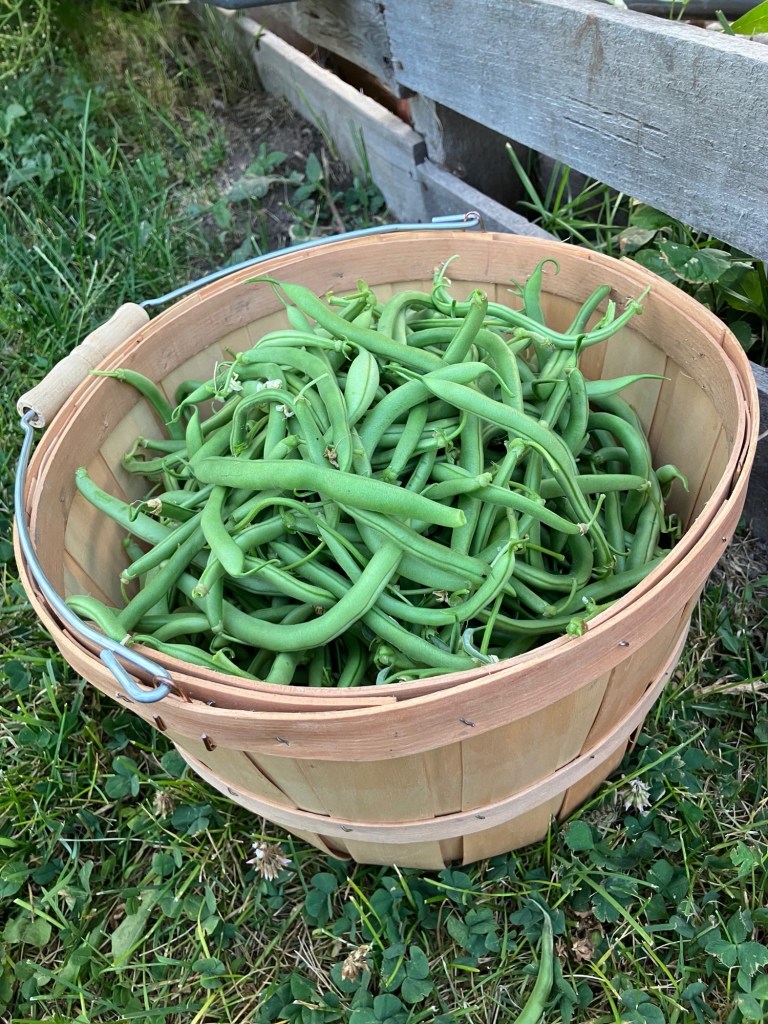
For example, a wicker basket is great for picking things like peppers, okra, cucumbers, and even green beans; however, it is much less useful for soft skinned produce like tomatoes.
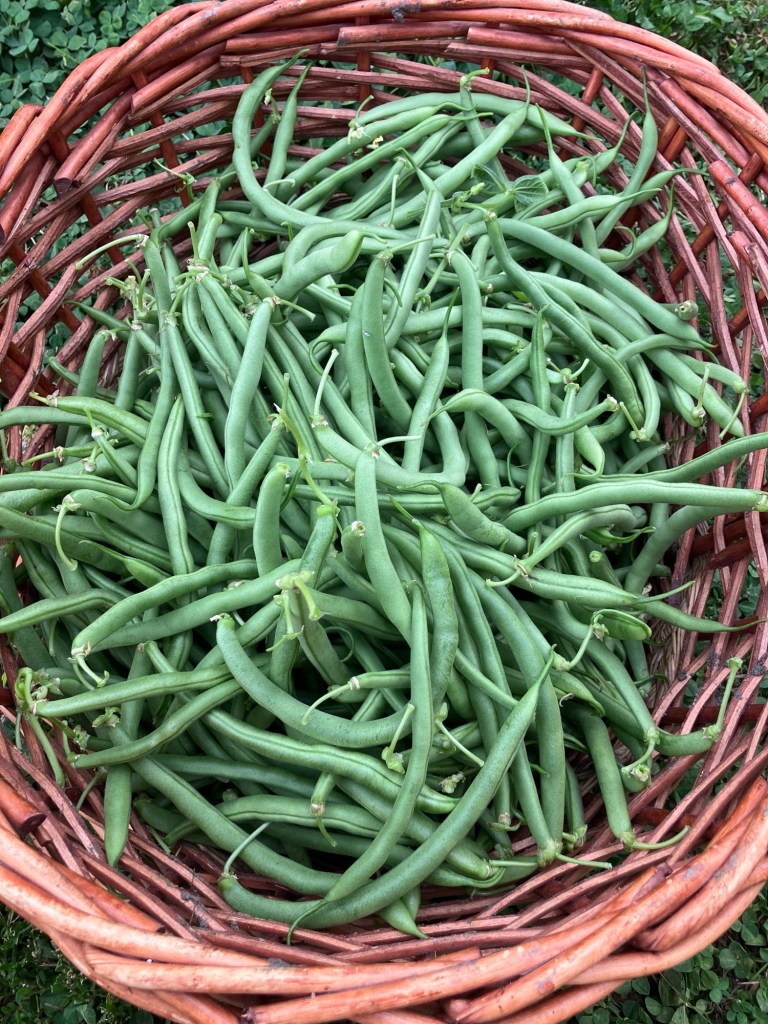
While you can use a wicker basket for tomatoes, tomatoes are heavy and can cause the wicker to break which then can pierce the delicate skins of the tomatoes.
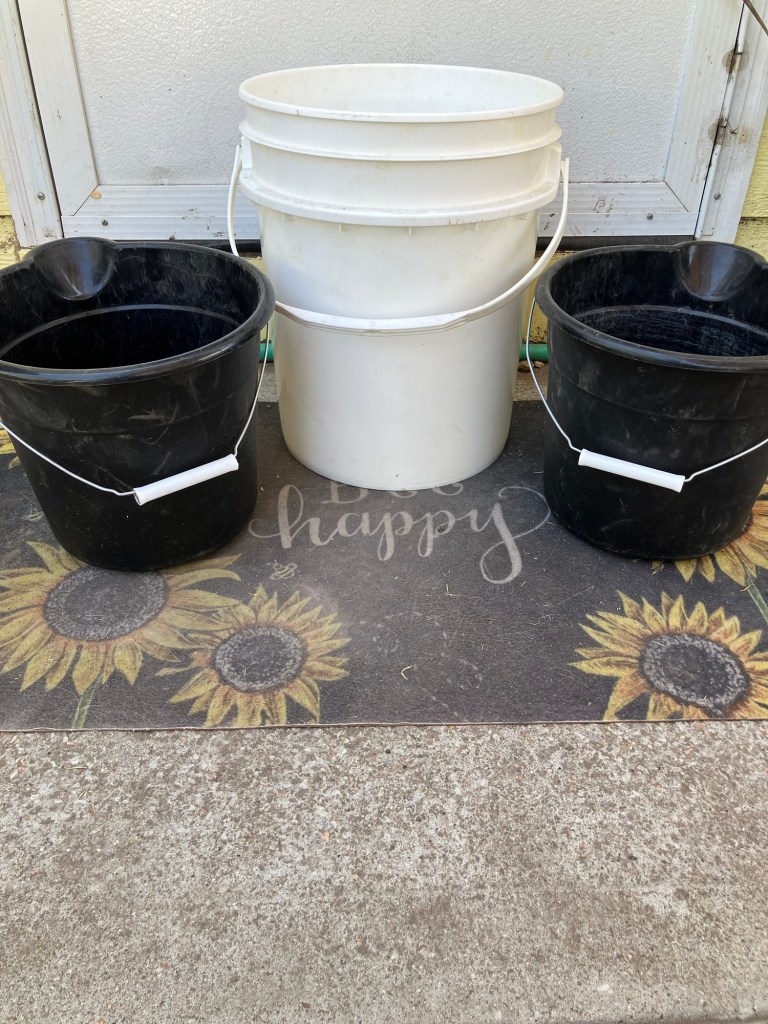
Buckets are great for harvesting most everything, but they are my favorite for potatoes and tomatoes when they are producing at maximum capacity.
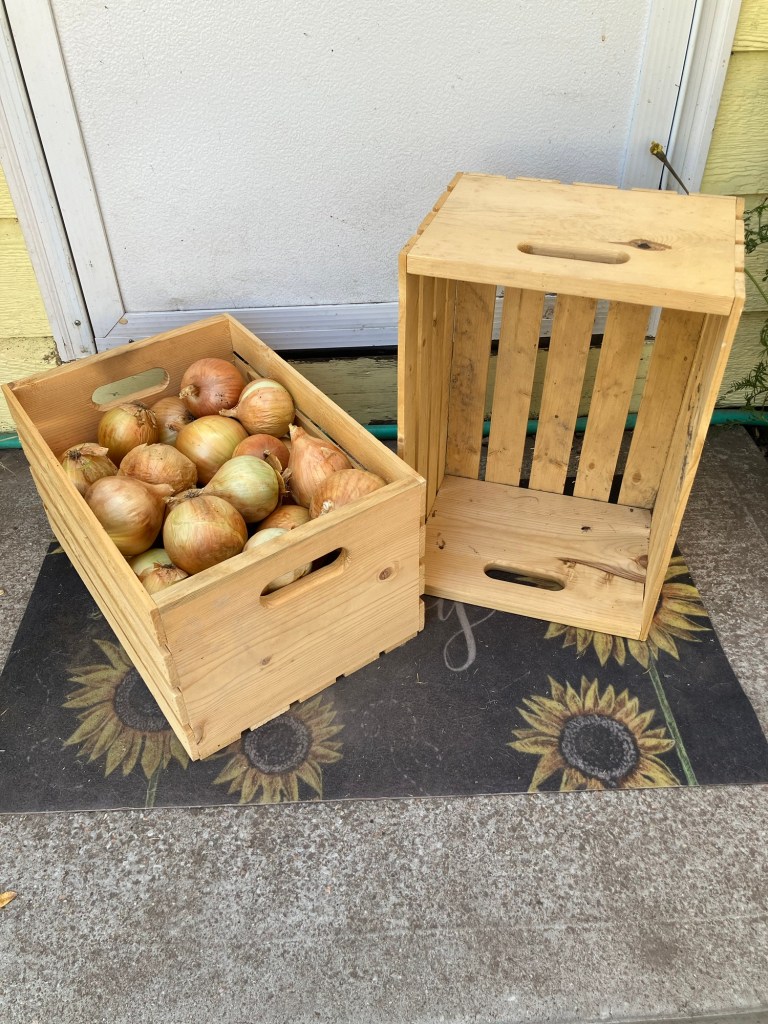
Crates are another favorite harvest container because they work so well for stacking lots of onions, carrots, or winter squash to transport or to store.
Many of my favorite harvest containers came second-hand from the thrift store making them very economical. While I don’t have all the perfect containers just yet, I’m slowly building my arsenal without breaking the bank.
Snips and Scissors
Some garden produce are easy to get off the vine with just your hands, but for others it is nearly impossible.
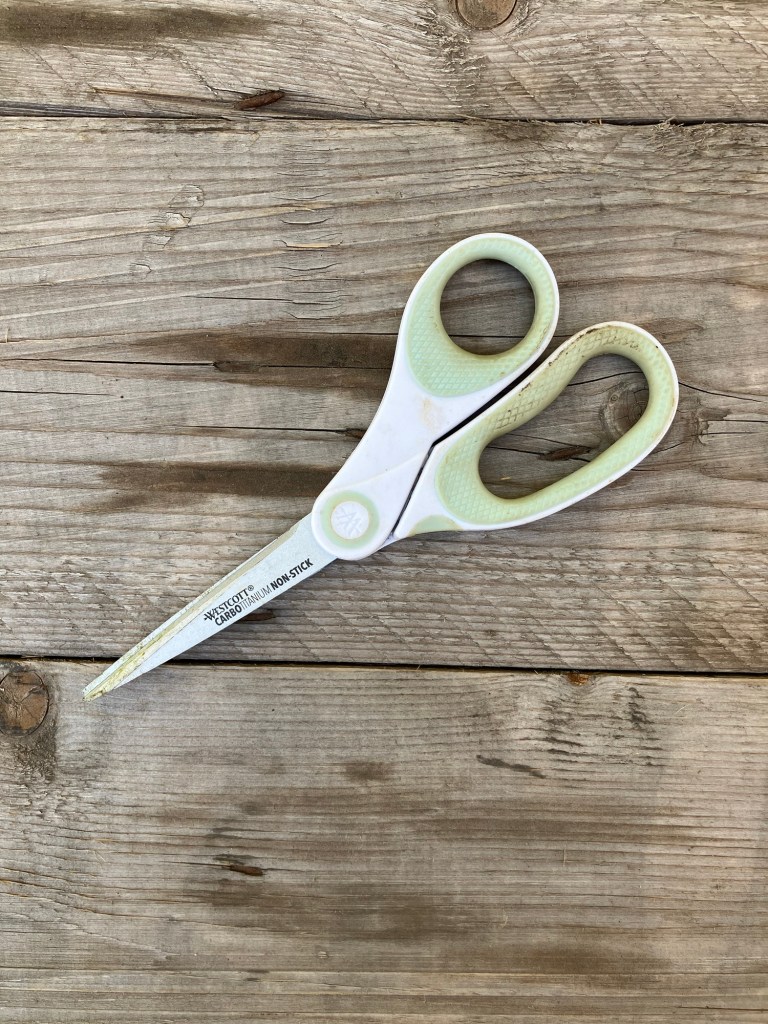
This is where a great set of garden snips or even some sharp scissors can be very useful.
My personal favorite is almost always a good, high-quality pair of scissors because they fit in my hand so much more comfortably. Scissors can be used to harvest everything from peppers to okra to salad greens.
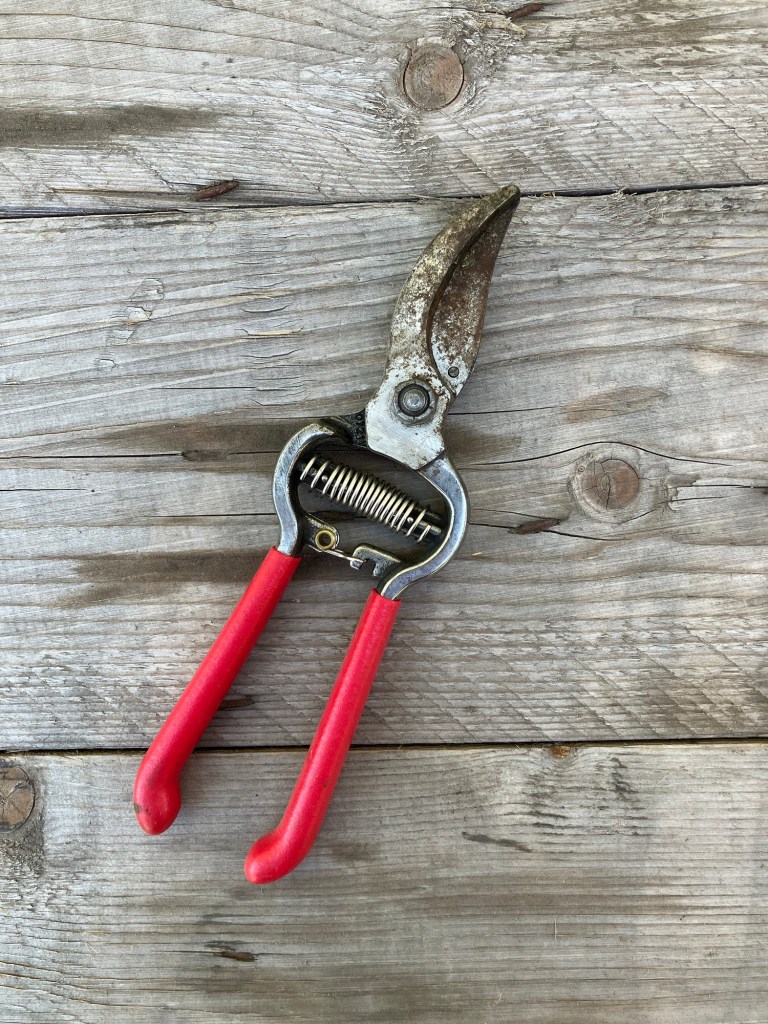
However, I do love my small garden snips for harvesting zucchini and other summer squash. The dense stems are just too much for scissor most of the time.
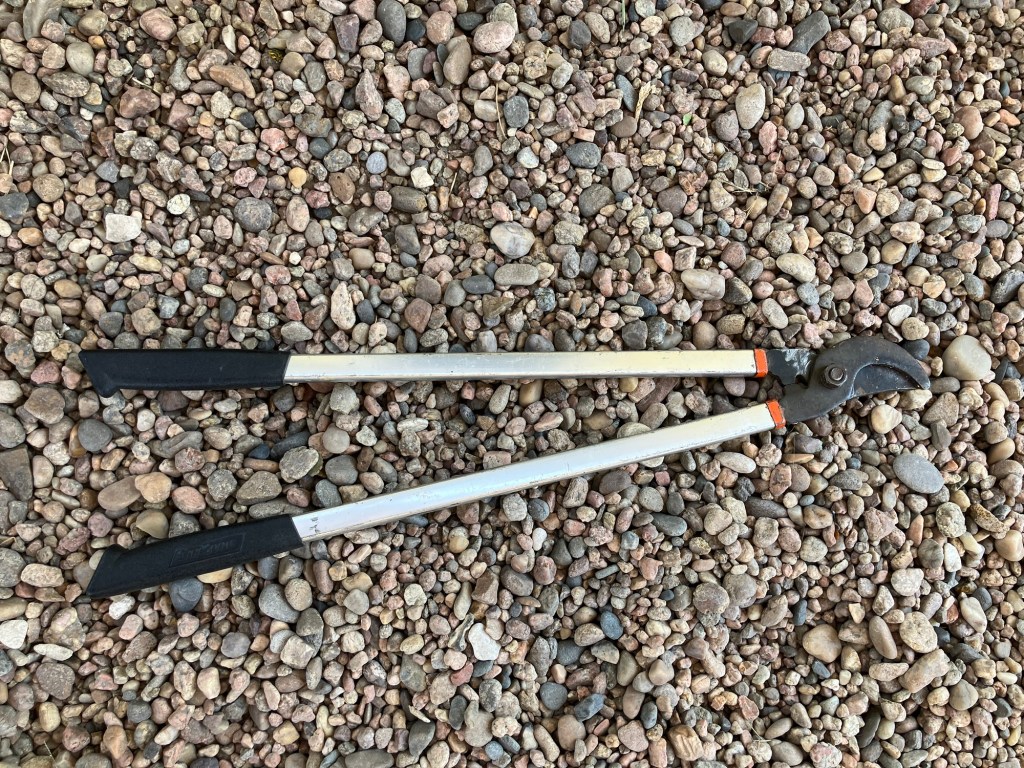
For other garden produce, a large set of snips is much more effective. Winter squash and pumpkins are best harvested using large snips since they have a more wood-like stem.
Wire Dry Racks
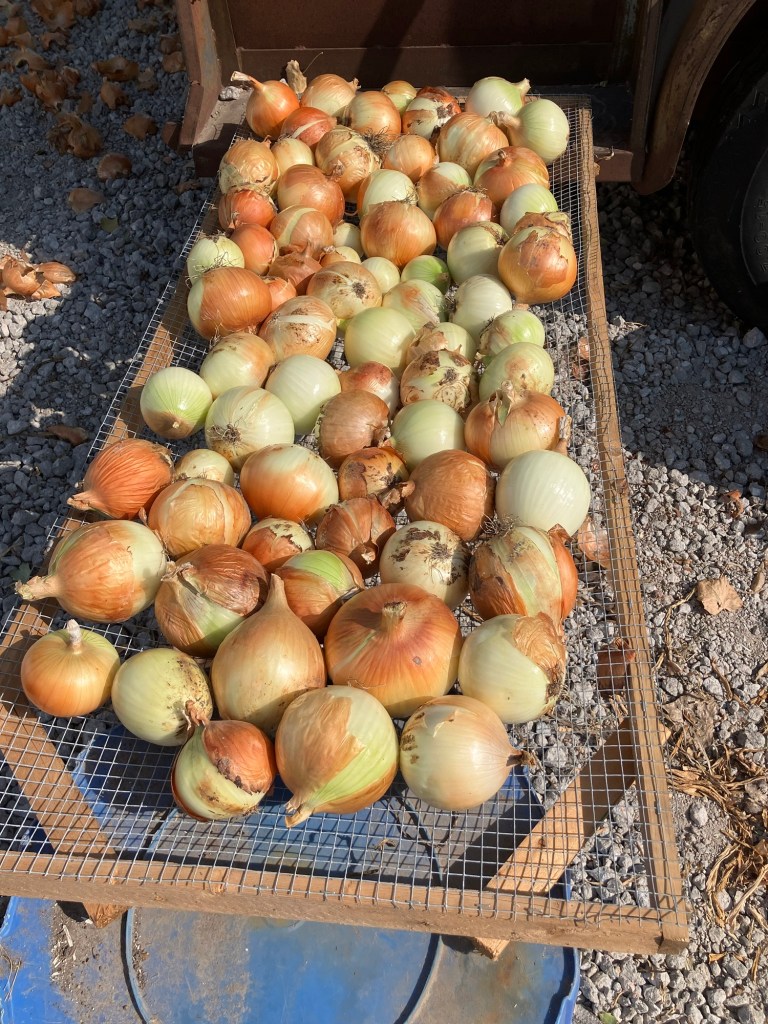
While drying racks aren’t a necessity, they sure do make life a lot easier.
You can order a garden harvest rack but these are often expensive. You can make racks like these at home with some hardware cloth and wood.
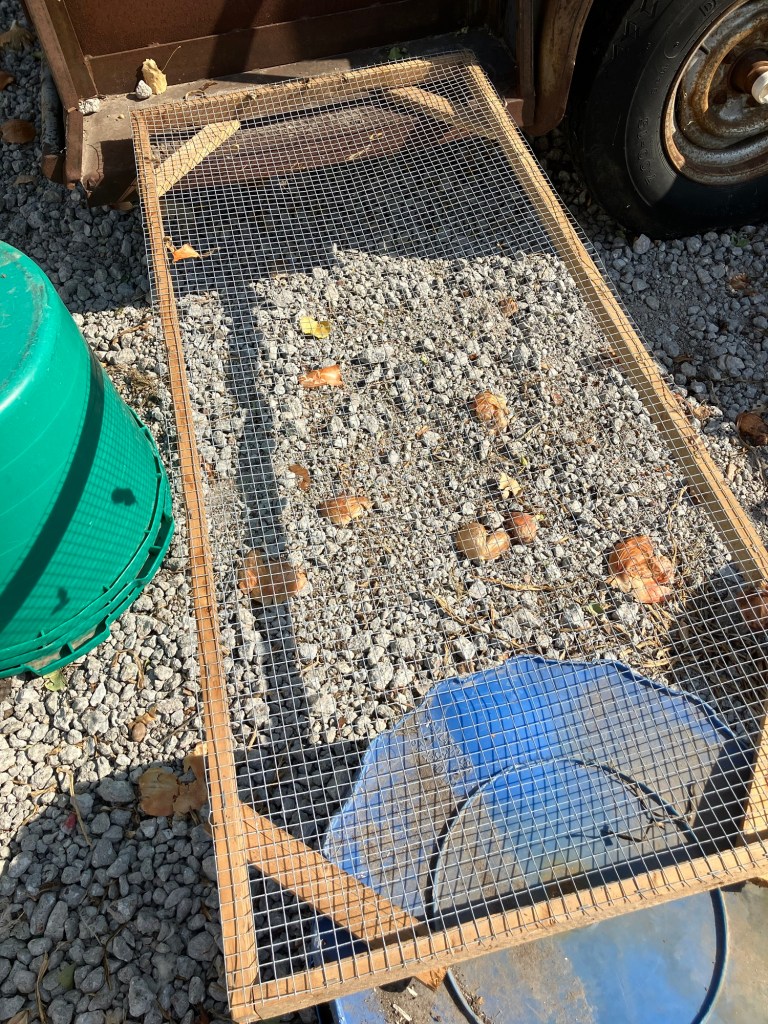
Alternatively, you can look for old screens to use as dry racks as well. Either of these options will likely be more economical than a premade garden harvest rack.
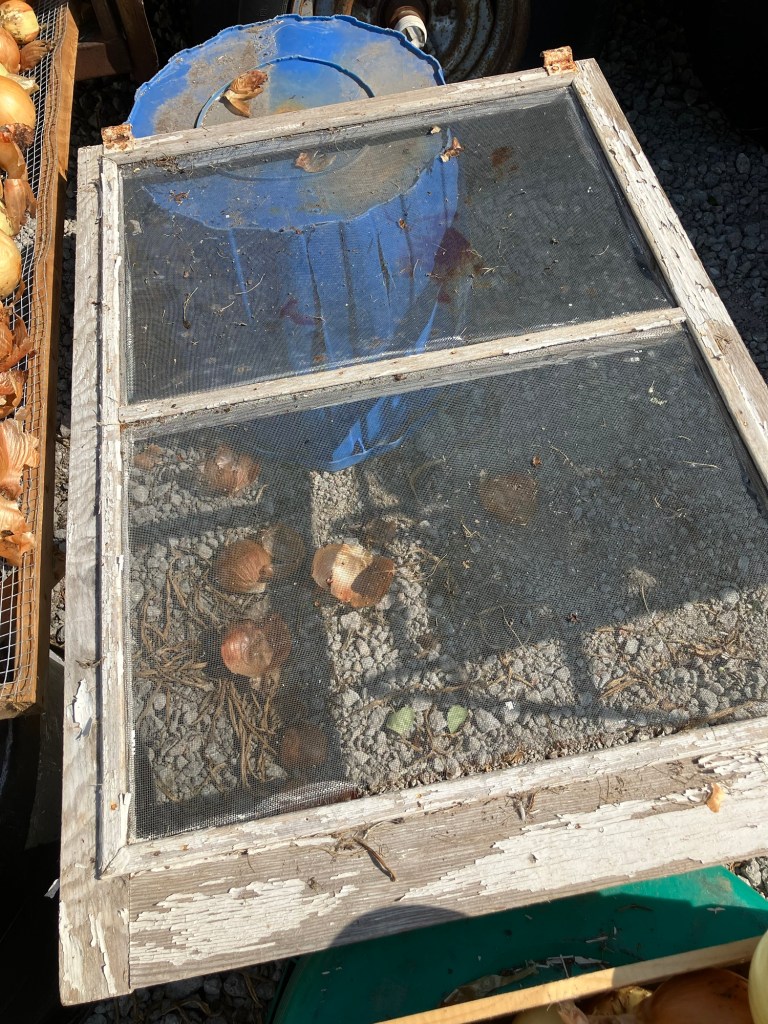
I use my dry racks for drying and curing onions, potatoes, and winter squash. It is important to use more sturdy wire for winter squash as the weight will often break out the thinner wire of a screen.
Shovel
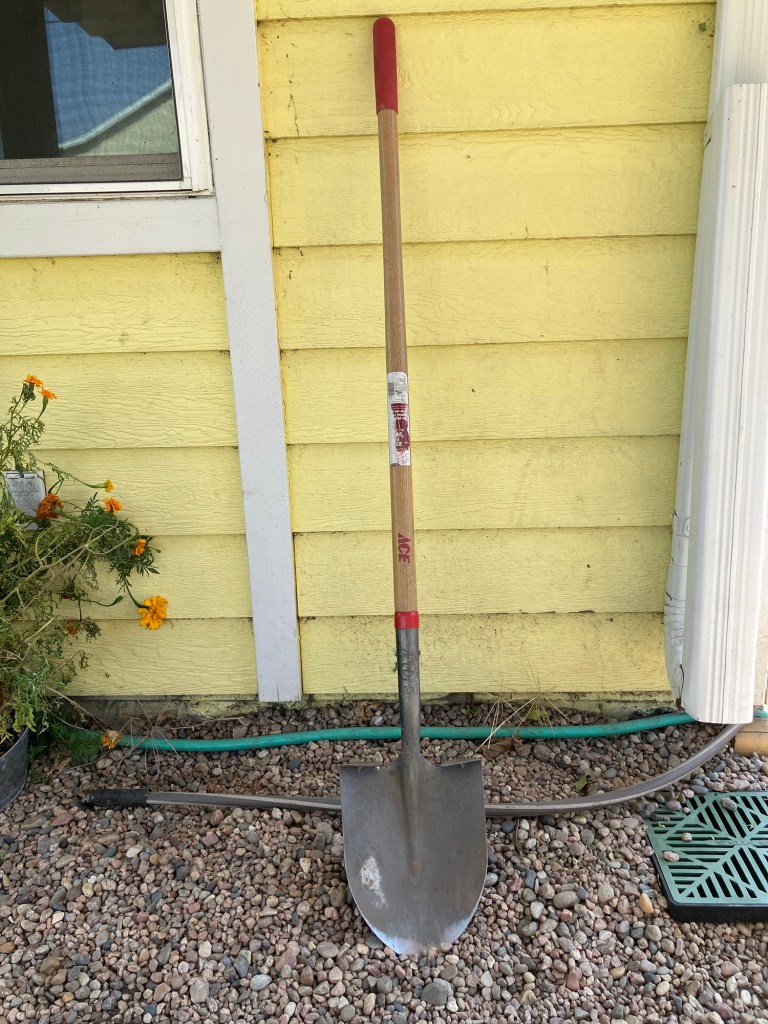
Shovels are great for root crops like potatoes and carrots.
For potatoes, I like a typical full-sized digging shovel though a tine spading fork can also be used. For carrots, I find a small hand shovel to be more useful most of the time.
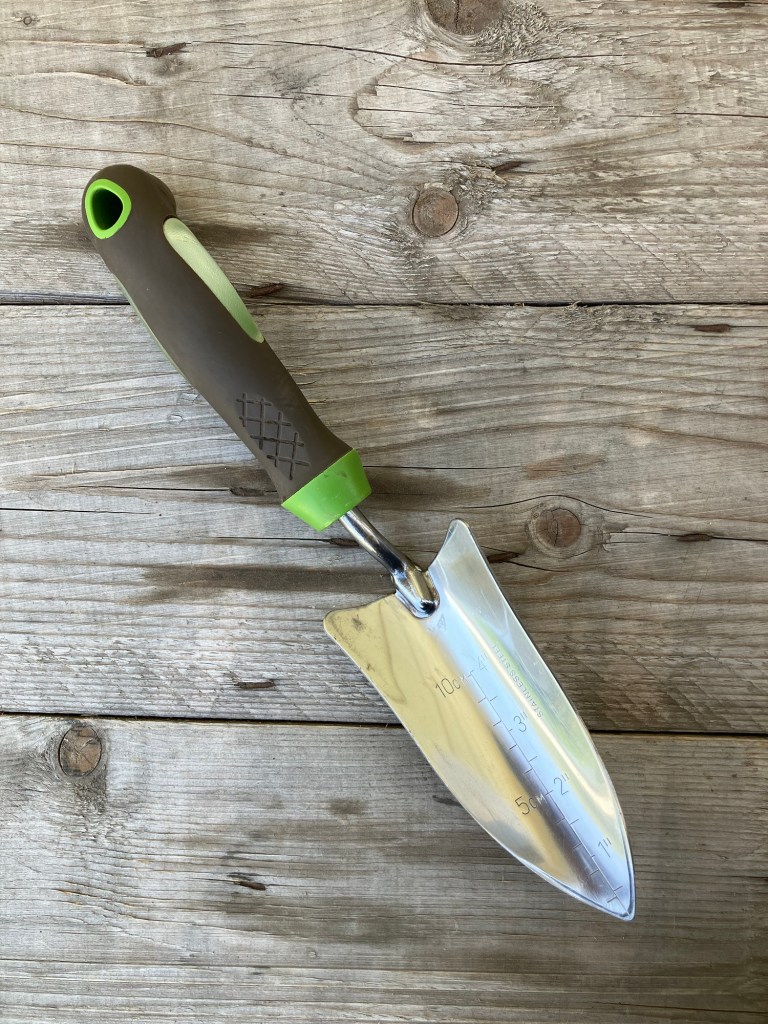
When digging carrots that are particularly difficult, usually longer and bigger in my experience, a full-sized digging shovel can come in handy to gently loosen the soil around the carrots to prevent them from breaking off when they are pulled.
Gloves
Gloves can save your hands from getting torn up during harvest (or throughout the gardening season) and can be found easily online or at farm and home improvement stores like Tractor Supply or Home Depot.
I use two different pairs of gloves depending on what task I am completing. For picking tomatoes, zucchini, and other produce that are not root produce, I will use actual garden gloves. I also use these gloves when I am digging potatoes or carrots.
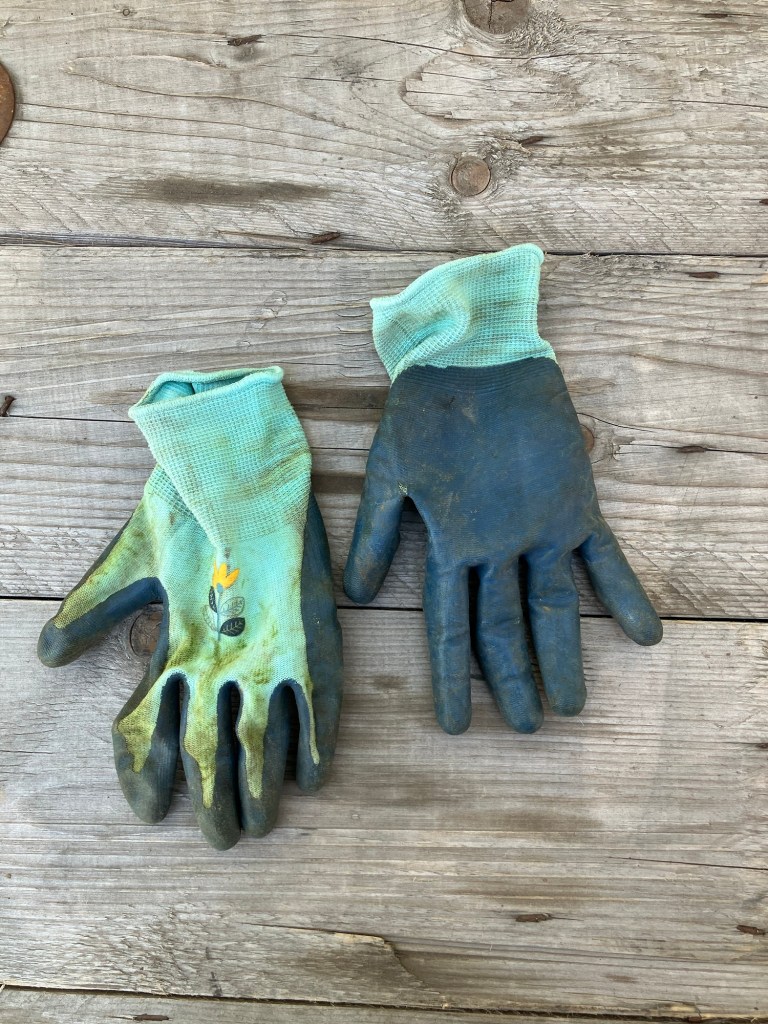
Not only do these gardening gloves protect my hands, they keep my hands from becoming incredibly dirty so that I can take them off and care for the baby without having to wash off my hands because they are caked in dirt.
The other pair of gloves I use are leather gloves. I use these when I am harvesting things like winter squash or onions. While I could use my gardening gloves, I find that the dried leaves and skins of the squash and onions want to stick to the fabric, but not to leather.
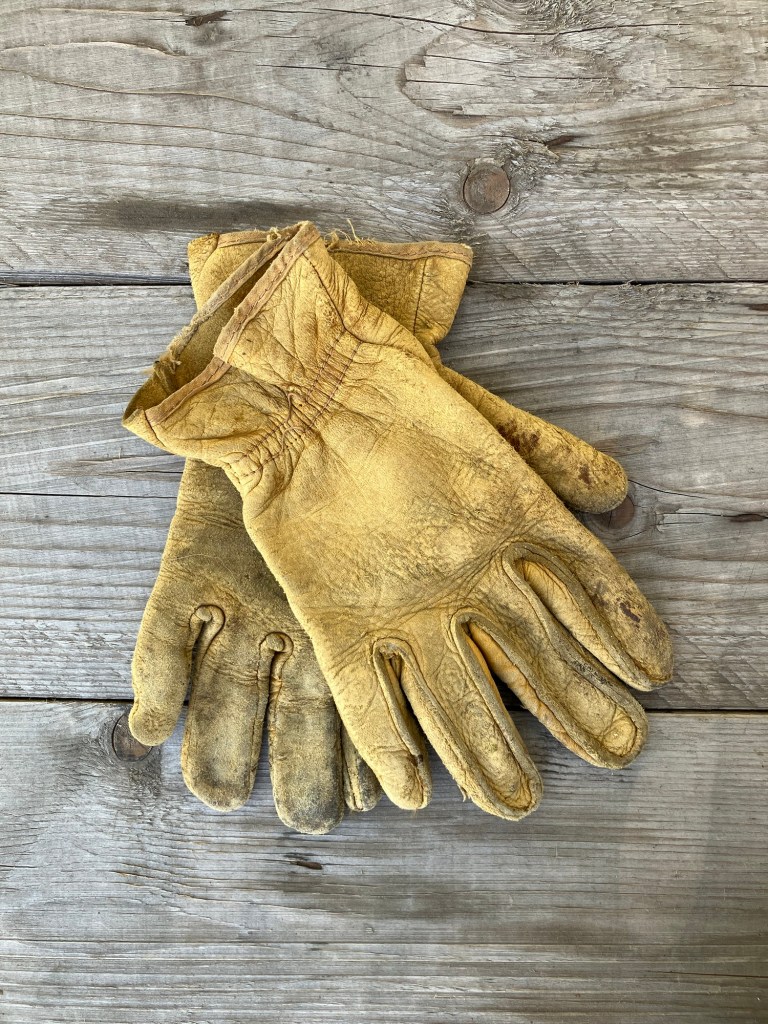
Leather gloves also come in handy when cleaning up the garden at the end of the season. While I generally leave some debris in my garden like the grass clippings I use for mulch, I try to remove the bulk of the plants and leather gloves protect my hands while I do that.
Freezer Bags
Harvest tool number six!
This harvest tool seems odd, but it can keep excess produce from going to waste if you simply don’t have time to preserve it in your ideal manner as it comes in from the garden.
Gallon and two gallon freezer bags are the harvest tool that saved me from having to throw out pounds and pounds of tomatoes last fall.
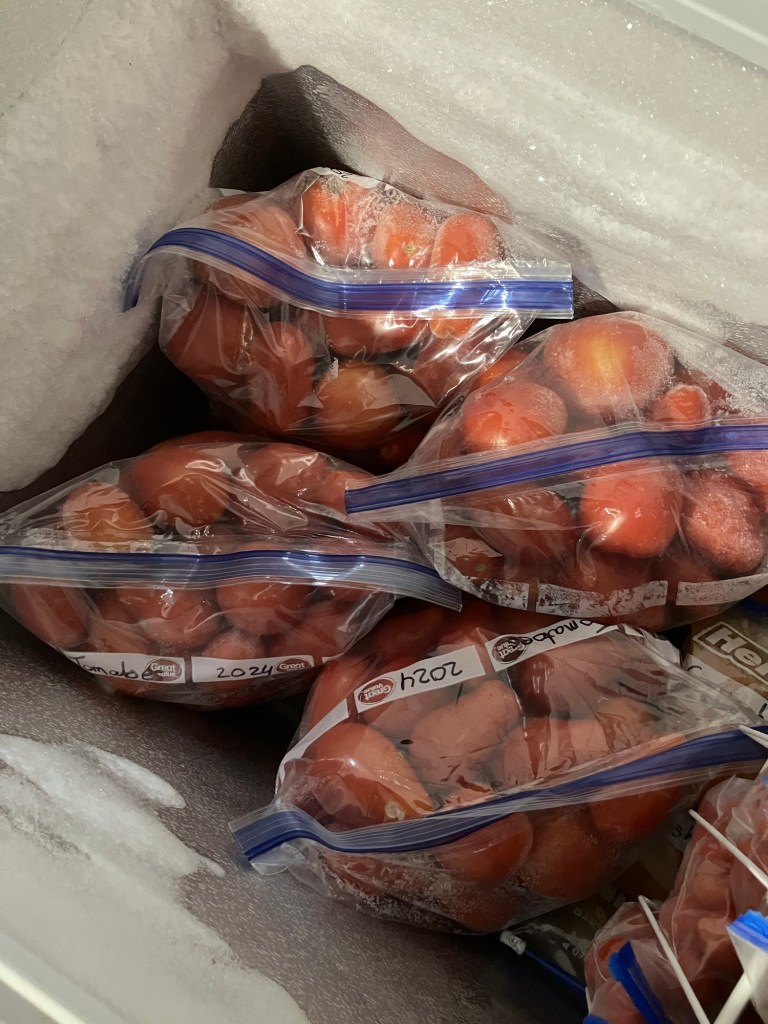
To freeze the tomatoes, I simply removed the tops, cores, and any bad spots before placing them in freezer bags and into the freezer.
When I had time to put the tomatoes into jars as pasta sauce, diced tomatoes, salsa, tomato soup, and more, I simply removed the bags, dump the tomatoes into a bowl and allowed them to thaw on the counter for a few hours or in the refrigerator overnight.
Freezing tomatoes makes them release most of their water, so it makes it faster to make things like pasta sauce since you don’t have to simmer it as long to cook off the excess liquid.
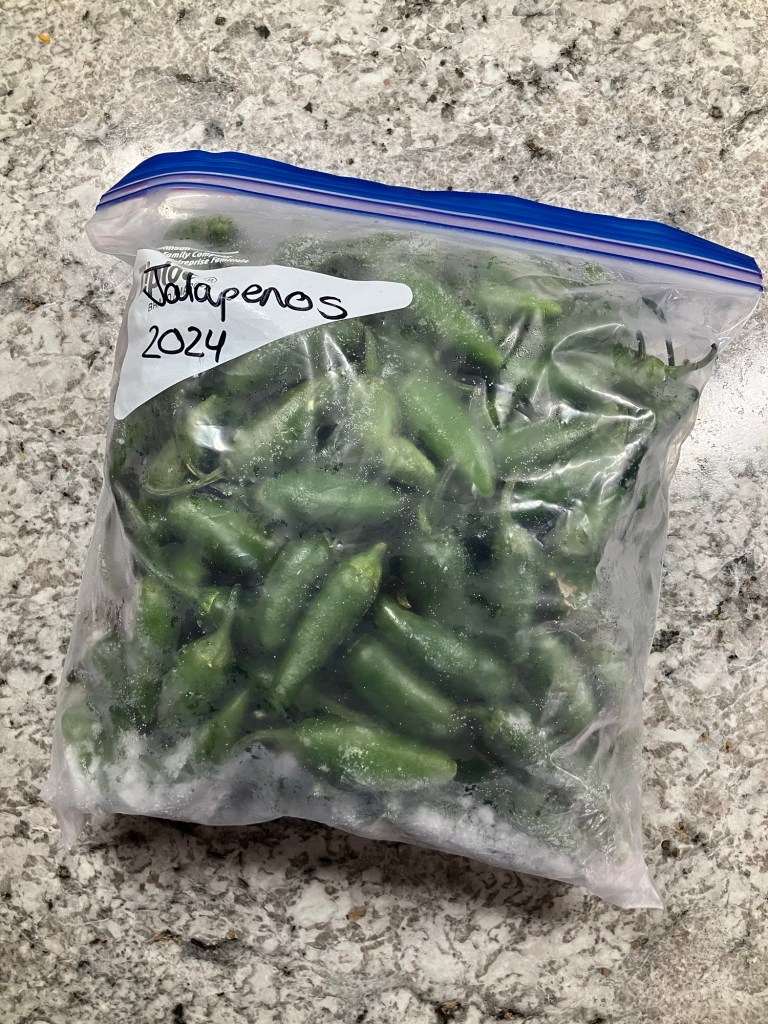
Freezer bags can also be great for storing peppers if you don’t have the time to process them. I often wash and store jalapeños whole or green peppers diced and in small 1/2 cup to 1 cup increments to add to things like salsa and pasta sauce later.
While this is far from an exhaustive list of tools that make harvest easier, it is a list of the key items that I find most helpful in a variety of situations.
In fact, these items have saved my harvest season from being complete chaos more than once! Investment in the proper tools for the job is always worth it because time is currency … especially during harvest!!
Follow along for more garden and kitchen tips and tricks from my cottage to yours! Happy harvesting!!
 Cora's Cottage
Leave a comment