
Time spent in the kitchen can be stressful, but it certainly doesn’t have to be that way.
Preparing 3 meals a day for your family while trying to juggle all your other responsibilities can be a lot, so simplifying in the kitchen, while remembering cooking is an art, are the keys to finding happiness in the kitchen.
There are many common issues I hear about time spent in the kitchen, ranging from not knowing what to make to feeling there is never ending chaos to not knowing how to implement true from-scratch cooking. All of these things have a common thread: overwhelm.
Acknowledging our feelings of overwhelm and coming up with a game plan for how to combat it are the best ways to find joy in the kitchen. While overwhelm will still happen, these tips for finding joy in your kitchen (again or for the first time) are a great items to implement or use as a springboard to revamp the way you approach your kitchen and meal times.
1.) Don’t Recreate the Wheel – Use Staple Dishes
One stress point that I hear over and over is “I don’t know what to cook for dinner.” While we have all been there, the solution is to remember that a small list of staple meals on repeat is more than enough variety! We do not need to be a master chef coming up with new recipes every night to feed our families well.
While it will take some time if you don’t currently have any staple recipes, building up a list of favorite, simple dishes will serve you well over many years.
Start by thinking through and making a list of your family’s favorite meals. When you have exhausted this avenue, add in meals that are simple and fast to the list. Things like tacos, spaghetti, pizza, and skillets or rice bowls.
Some of my family’s staple dishes include spaghetti, sloppy joes, hamburgers, lasagna, chicken Alfredo, and rice bowls Like Korean beef over rice.
2.) Recipes Are a Guide
While recipes are a great place to start, they don’t need to be the end of your cooking journey. Find some recipes that you like and feel free to adjustment for your families tastes and preferences as well as for what ingredients you have on hand.
For example, find a taco recipe, but adjust the spices to add more cayenne or paprika if your family likes spicy dishes, or remove some of the cayenne or paprika if they prefer more mild foods.
Use recipes while cooking like a suggestion, they don’t (usually) have to be followed perfectly, especially if it is a simple, common dish. Many casseroles and skillets are great places to start as leaving out a spice won’t change the base of the recipe.

3.) Buy Ingredients in Bulk
Buying ingredients in bulk can certainly be more expensive upfront, but over the long run it will save you a lot of money.
For example, buying quality flour in bulk can save $0.40 a pound when buying a 25 LB bag versus a 5 LB bag. In this example, a 5 LB bag of flour cost $8.47 while a 25 LB bag of flour costs $31.21. It is true that up front it would cost more to buy the 25 LB bag, but over the long run you would save $11.14 by purchasing the 25 LB bag of flour.
The same can be true when buying meat in bulk. Purchasing a whole, half, or quarter of an animal directly from the farmer can be much more economical then buying individual cuts from the grocery store. If you cannot purchase a whole animal but a farmer requires you to buy a whole animal at a time find friends and family to go in with you to split the animal.
All of these examples and buying in bulk only works if you are buying items that you will actually use before they go bad. Therefore, it is important to be honest with yourself about what items you truly use a lot in your kitchen. Only start with a few items to be sure that you really will use items you have in storage and slowly build up your stock of bulk items.
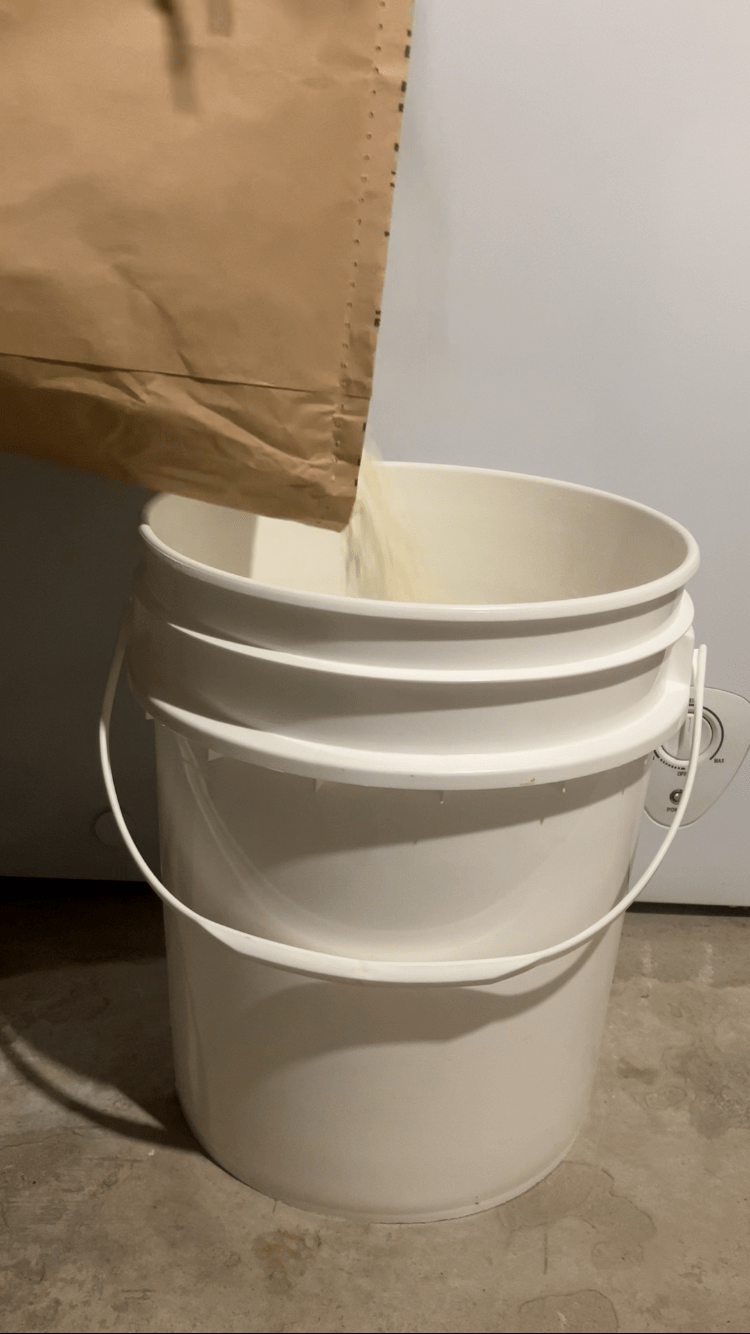
When building up your stash of bulk items, it is important to have the proper equipment and infrastructure. What you will need will vary depending on what items you will be storing in bulk. To store things like sugar, flour, oats, rice, noodles, and dry beans; food safe 5 gallon buckets are the perfect storage option. For items such as butter, cheese, and meat you will need freezers.
One of my favorite locations to buy in bulk from is Azure Standard which runs like a cooperative with drop locations, but other places like Costco, Sam’s Club, and Cashway can also be used to purchase items in bulk.

4.) Cook in Large Batches
Cooking in large batches allows you to prepare meals for the freezer or even just later in the week all at one time, drastically cutting back on your cooking time.
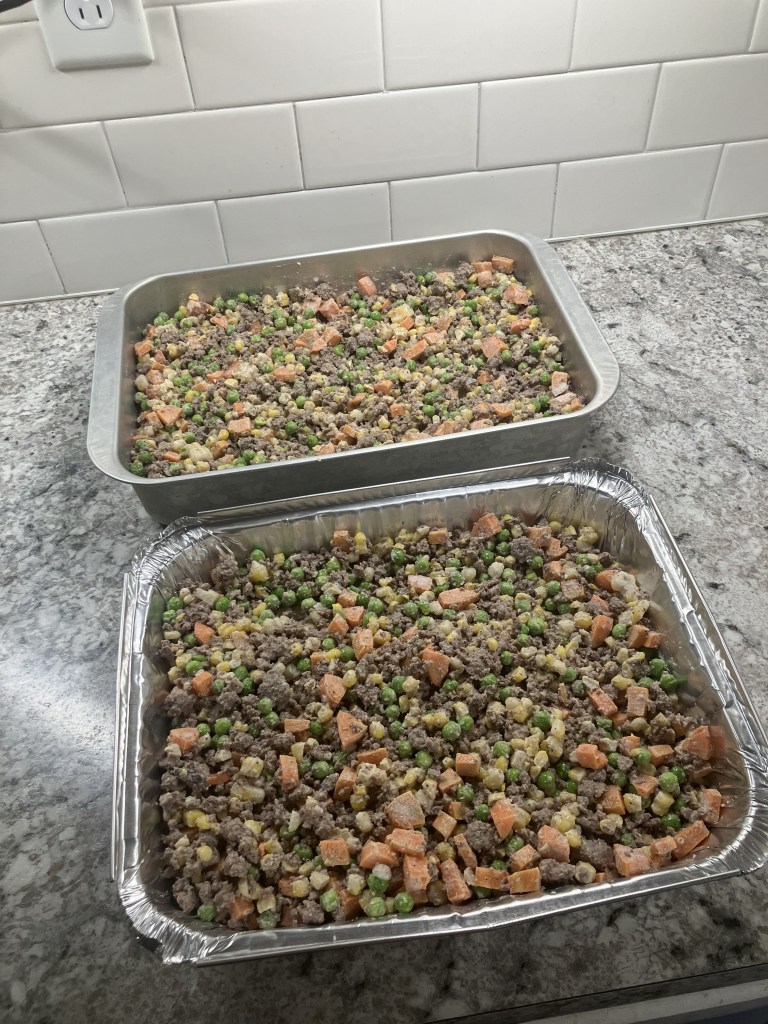
For example, rather than making just one pan of lasagna, make two and put one into the freezer for later. The same concept can also be used for soups, stews, skillets, and various other dishes.
Another way to cook in a large batches for multiple meals is to cooking large amount of a side such as rice, potatoes, noodles, or a vegetable. Eat part of it with this meal and store the other part in the refrigerator or freezer for later. The portion that was stored in the refrigerator or freezer can be pulled out to go with a main dish whether that be later in the week or a month from now.
Some of my favorite items to prepare in bulk include lasagna, chili, spaghetti, chicken Alfredo, shepherd’s pie, chicken noodle soup, and various skillets. Other items that can easily be made in bulk and stored for later include taco meat, rice, burritos, and noodles.
5.) Use Your Food Scraps
I used to simply throw out my peels, skins, and various other things that I consider to be scrapped from my food. However, I’ve started using these various items to create more food in my kitchen or fertilizer for my garden to produce more food. Using my scraps to create more food not only reduces my waste, but it also helps to lower my costs for groceries.
For example, I used to throw out my carrot peels and onion skins, but now I save them and store them in the freezer until I am ready to make bone broth. Not only does this keep me from having to use whole carrots and onions, but it also creates a whole new item in my kitchen: homemade bone broth.
Another item that I save in my kitchen: the bones from a whole chicken or soup bones from beef or pork. I take these bones and put them back into the crock pot along with those carrot peels and onion skins that I saved from earlier to make my homemade bone broth.
Finding simple ways like this to reuse or use an item that you otherwise would throw out can greatly reduce not only your waste but also your food costs. Getting creative and researching various ways to do this can be a great use of your time and resources.
Some other ways to stretch your food scraps include using the tops of strawberries, cutting up dried bread and turning it into croutons or bread crumbs, and using the peels of fruits like apples to make jams.
Using food scraps in the kitchen is not the only way to lower your food waste and find new and innovative ways for those scraps to be used. Think outside the kitchen to your garden if you grow one.
For example, food scraps can be composted, coffee grounds can be used as a fertilizer, banana peels can be soaked in water and used to add potassium to the soil, and egg shells can be ground to add calcium. There are many more ways to use food scraps in your garden as fertilizers which will ultimately help to lower your food costs if you’re growing your own food rather than purchasing it from the store.
All of these simple changes can be made to help reduce stress and overwhelm in the kitchen. Reducing not only the time, but the cost that goes into your kitchen are great ways to find your love of cooking again and help even the least likely of chefs to find joy in the kitchen.

 Cora's Cottage
Leave a comment