

Disclosure: This post contains affiliate links and I may earn a small commission at no additional cost to you when a link is used.
Main sources for this blog include:
– The Encyclopedia of County Living by Carla Emery
– The Self-Sufficient Life and How to Live It by John Seymour
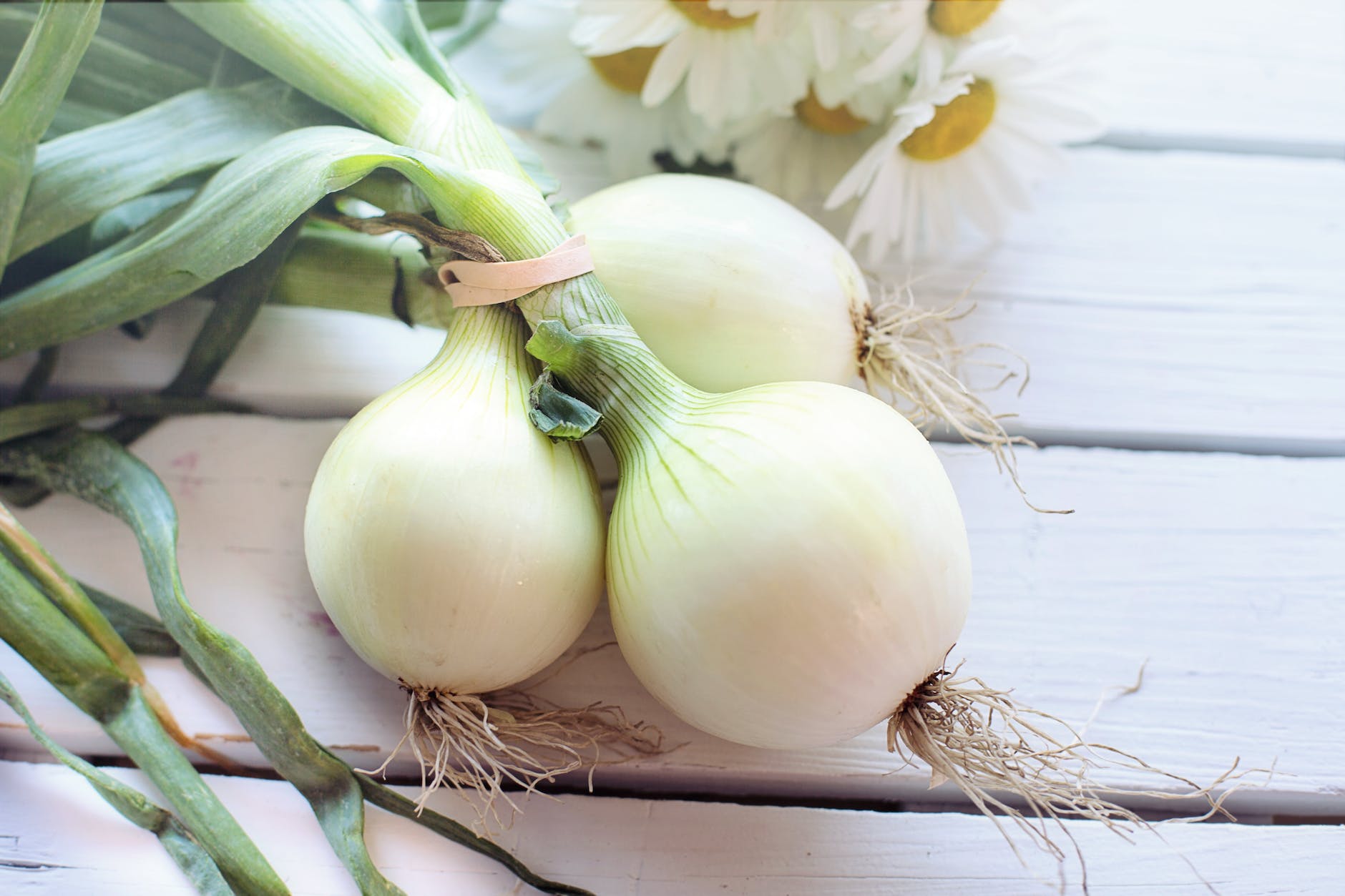
Onions, particularly globe onions are a great option for the new gardener because they are one of the easiest to grow and store vegetables. Globe onions come in many different varieties with colors ranging from red to yellow and purple to white. Generally, white onions are milder, red onions are sweetest but winter-keep the worst, and yellow onions winter-keep the best. Onions are thought to have originated from central Asia over 5,000 years ago.
Onions like full sun; moist, free-draining soil; and occasional watering. It is best if the soil doesn’t have any clay or rocks that can obstruct the onions as their bulbs grow. When onions are new, it is best to keep the topsoil from fully drying out between waterings. Onions are somewhat frost hardy, being able to handle temperatures down to 32°F.
When planting onions, seeds, sets, or bulbs can be used. My preferred method is to use sets, particularly Walla Walla or Candies. However, if you prefer to plant seeds they can be planted indoors up to 6 weeks before the last frost date or you can wait to plant them outdoors when the soil temperatures have warmed up. It is best to wait until the soil temperature gets between 50°F and 90°F as this is when the seed will germinate the best, but even then it can take 10-14 days for the seeds to germinate.
When planting sets or bulbs, they can go directly into the ground after the last frost date. They should be placed into the ground neck up, 3-4 inches apart in rows at least 12 inches apart. I prefer to make individual holes with my finger or a screwdriver to place each set or bulb into and then make sure each is covered up to the neck, or in the case of bulbs they even be covered completely; however, it should only be lightly. Bulbs can also be planted in the fall, though I have never tried this method.
When growing onions, they might need thinned, which can be done by removing the overcrowded onions and eating them as green onions. When weeding onions during the growing season, it is best to be careful not to disturb the roots, as this can slow the growth of the bulbs. To help combat weeds during the growing season, onions can be mulched with organic matters like lawn clippings; however, you will want to make sure that any clippings used do not have herbicides or other unwanted chemicals.
Onions need nitrogen, phosphorus, and potassium to grow well. However, it is important that the nitrogen is balanced well as too much or too little can affect the growth of the onions and the susceptibility of the onions to diseases. Other micronutrients needed to grow onions include zinc, magnesium, sulfur, boron, manganese, copper, and calcium.
There are several disease and pests that can affect onions include onion flies, downy mildew, eelworms, neck rot, and onion smut, and various others. Many of these pests and disease can be prevented by rotating crops, removing all onions from the ground at the end of the year, planting disease-free sets, properly storing onions after harvest, and herbicides or insecticides.
Onion tops will dry on their own and waiting to harvest them until they have dried on their own is ideal. However, if you are happy with the size of the onion bulbs or the weather is getting too hot and discouraging growth, you can twist the green tops over to speed up the drying of the tops. After a few days you can come back and pull or dig the onions on a hot, sunny day leaving them on the ground for 3-5 days to dry. If you are concerned about rain or the onions becoming damp on the ground they can be laid out on wire racks that be moved out of the rain or indoors when needed.
After the onions have cured properly, they can be sorted. Any that are soft or have wounds on the surface should be used more quickly while the rest can be stored for winter. When storing onions for winter, it is important that they are kept in a location where they can continue to dry such as in an onion type sack, old pantyhose, or braided by their dried stems and where it is dark with good ventilation. Onions that have been grown from bulbs should have the small hallow leaf removed as this part will cause the onion to spoil faster. Onions also do better where it is cool rather than hot as the heat can cause the onions to dry up. Though onions can handle a slight freeze, it is best not to allow them to freeze as they should not be handled when frozen.
Onions can be preserved by drying, freezing, canning, or simply by curing them as outlined above; however, canning onions doesn’t make the most sense as they store so well cured. To dry onions they should be sliced into 1/4-inch thick slices and dried at 120°F in a dehydrator. They should be dried until they are pale and brittle at which point they can be used to make onion powder or used in soups and stews. Onions can also be used fresh in cooking from soups and stews to casseroles and added to side dishes.
Onions can be frozen by simply chopping them up and bagging them in portions common to your cooking, personally I like to bag chopped onions in 1/2 cup increments. Some people have had issues with the onions causing their whole freezer to smell of onions, but I have never had an issue when I double bag the onions. (Bag each 1/2 cup bag into a gallon freezer bag to keep them contained inside the freezer.)
Raw onions are low in calories with only 40 calories per 3.5 ounces. They also contain 1.1 grams of protein, 9.3 grams of carbohydrates, 4.2 grams of sugar, and 1.7 grams of fiber. The majority of the carbohydrates in onions are made up of simple sugars and the fiber is a soluble type called fructans that can help reduce inflammation and the risk of colon cancer. Onions contain a handful of vitamins and minerals including vitamin C, folate (vitamin B9), vitamin B6, and potassium. Onions can be a great addition to your diet as they can improve bone health, assist in blood sugar regulation, and reduce the risk of some cancers. However, onions can also cause irritation in some individuals with intolerances and allergies, are an irritant to the eyes, and are toxic for most pets such as dogs, cats, and horses.
Onions are the perfect addition for any new gardener looking to get started because they are both easy to grow and easy to store. Onions can be added to many dishes and contain a variety of health benefits. Happy gardening!!
 Cora's Cottage
Leave a comment