Disclosure: This post contains affiliate links and I may earn a small commission at no additional cost to you when a link is used. .
Main sources for this blog include:
– The Encyclopedia of County Living by Carla Emery
– The Self-Sufficient Life and How to Live It by John Seymour

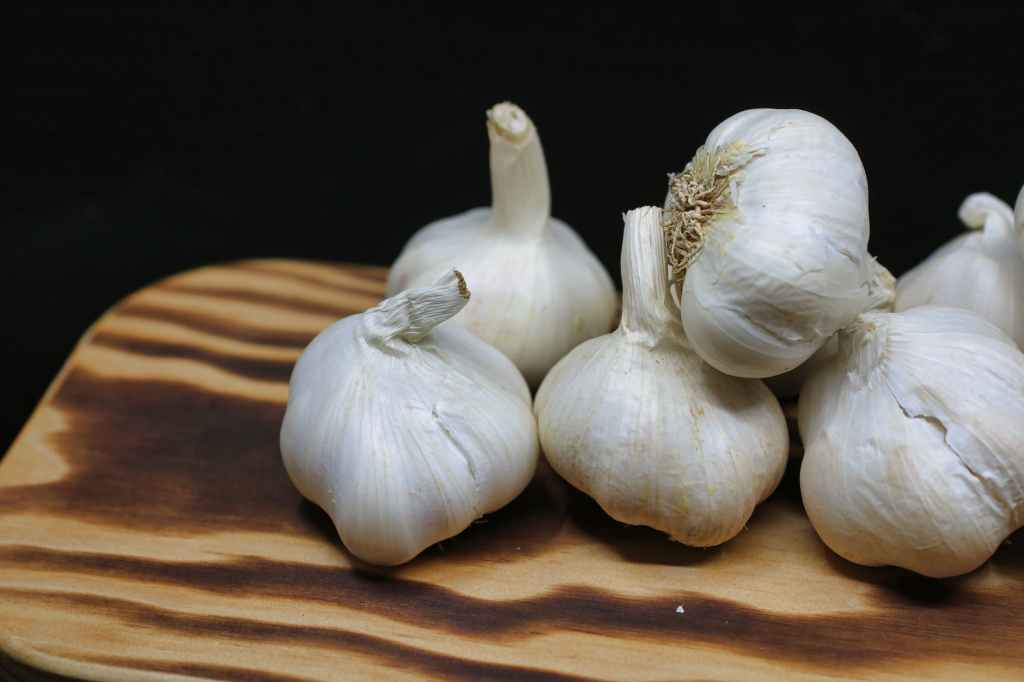
Garlic originated in middle Asia and is typically grown from a clove though they do seed. They are a great option to added to any garden because they are so versatile and can be used in many dishes and even as medicine.
Garlic and elephant garlic are grown very similarly despite being different species. Elephant garlic is much more hardy than regular garlic and is substantially larger and milder, in fact it is so mild it can be eaten raw in salads. Despite these differences they can be used interchangeably with regular garlic.
Garlic is a hardy perennial that is typically grown as an annual and has grass-like leaves that can be 1-2 feet tall. Garlic needs well-draining, fertile, moist, sandy or high humus soil and full sun. Garlic does best with occasional watering and is frost hardy to about 23°F. The ideal soil pH is about 5.5 to 6.8.
The best time to plant garlic for most regions is late in the year from late-August to mid-October, though if you prefer to plant in the spring it should done as soon as the ground isn’t frozen, typically in early March. Garlic should be planted 2-3 inches deep and 3 inches apart with rows about 12 inches apart where you would like it to grow as it does not transplant well. The point of the clove should be planted pointing up and have the points sticking out the ground or very, very shallowly covered. It takes about 2 pounds or 150 cloves to plant a 50 foot row and cloves can be planted individually or in clusters of 2-3 to help compensate for the cloves that do not grow. If you chose to plant 2-3 clove clusters, they will need to thinned.
Garlic can be a great addition to your garden as it repels many insects and can be co-planted with most vegetables besides legumes. One clove of garlic planted will yield a bulb of about 15 cloves. During the growing season, garlic should be kept weed free and the soil around the garlic should be slightly loosened to allow the heads to grow and expand.
Garlic needs nitrogen, potassium, phosphorus, and sulfur, but too much of any of these nutrients or all of them can do more harm than good. There are several pests and diseases that ail garlic including downy mildew, purple blotch, rust, white rot, mosaic, bulb mites, leafminers, onion maggots, thrips, and lesion nematodes. Many of these can be prevented by planting disease and pest resistant varieties, rotating crops, planting in well-draining soil, and prompt harvesting.
Garlic should no longer be watered once their leaves reach a foot high, and they should be harvested after the tops have died and fallen over. Garlic are like onions in that they will not make a bulb until the end of their growing season, typically the last 45 days. Like onions, garlic can be hurried along by knocking their tops over, but this should not be done until the garlic have been in the ground for 90 to 110 days. After a few days the garlic will be ready to be dug or pulled and dried in the sun about 1 week or until they turn white.
Garlic for kitchen use can be cleaned off, have the roots trimmed, and be stored in mesh or paper bags or braided. They store best using these methods if the humidity is low. Garlic can be used in cooking whole, chopped, minced, or crushed by removing the outermost layer of dry, papery skin. Garlic will get a bitter taste when cooked over too high of a heat, so it is best to cook it at lower temperatures.
Garlic can also be dried to be made into garlic powder for seasoning food, or used in a garden spray to help keep bugs and blights at bay. Garlic can even be used as a medicine as it has several antibiotic properties that can be beneficial for those with sore throats, chest colds, and other ailments.
Garlic are a very nutritious with very few calories. One clove, about 3 grams, contains 1 gram of carbohydrates, 0.2 grams of protein and only 4.5 calories. Garlic are also a good source of manganese, vitamin B6, vitamin C, selenium, and fiber. Garlic has been found to reduce blood pressure, improve cholesterol levels, and lower the risks of heart disease. However, addition studies need to be completed to solidify these findings.
Garlic is a good option to added to any garden because of how versatile it can be in the kitchen, how well it stores, and the health benefits it provides. Happy gardening!
 Cora's Cottage
Leave a comment